
Have you ever noticed how our moods can lift or sink stock prices? It’s like the cheers or groans in a stadium. When investors feel good, they buy more, pushing prices up. But when caution sets in, prices can drop quickly.
These ups and downs come from a mix of optimism and worry. They offer handy clues for making smart trading choices. In this post, we’ll dive into how these emotional swings set the rhythm for the market.
Market Sentiment’s Direct Role in Shaping Volatility
Market sentiment is the overall vibe shared by investors, and it plays a key role in making the market move. It captures how everyone feels about current conditions, whether that’s hope, worry, or caution, based on economic news, earnings reports, global events, or even personal gut feelings. For a quick refresher, check out what is market sentiment here: https://smartfinancialtrends.com?p=677. This shared mood helps determine if investors decide to buy or sell, which then drives the market’s ups and downs.
Different moods lead to different actions. When investors feel upbeat or bullish, they tend to buy more, pushing stock prices higher. But when the mood turns bearish, selling increases and prices can drop fast. A neutral mood makes trading quieter, with prices moving sideways instead of dramatically. Think of a day with mixed economic news that leaves everyone on the fence, this hesitation can keep the market in a tight range.
Trading volume often mirrors these shifts in mood too. Periods of strong optimism usually bring a rush in trading and market rallies, while a pessimistic outlook often leads to heavy selling and choppy price movements. When sudden changes in sentiment cause trading activity to spike, it gives savvy investors clues about the market's next moves.
Behavioral Finance and Emotional Drivers of Volatility
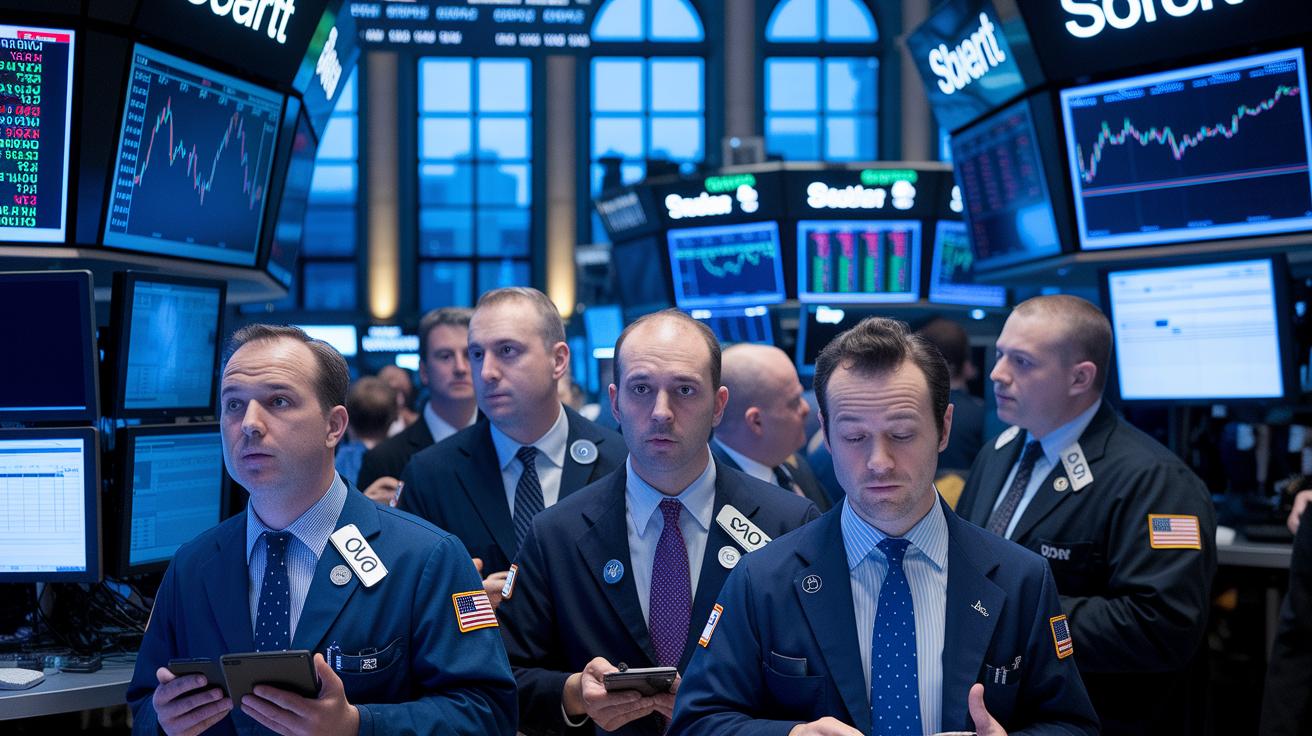
Market mood isn’t just about raw numbers. It’s really about our feelings and how they drive market moves. Behavioral finance tells us that our gut reactions, think fear and greed, can make the market swing more than simple financial reports ever could. Things like earnings reports, political events, and economic signals mix with our instincts to shape how trades happen. Sometimes a piece of surprising news, like a spike in jobless claims, sparks a frenzy that sends prices wildly up or down. If you’re curious about how big news can affect market trends, check out this reference: https://sharingeconom.com?p=1788.
Feelings work like a thermostat for the market. For example, the fear and greed index gives us a snapshot of these competing emotions. Imagine a day when positive economic news creates a rush of optimism and prices jump high in moments. On the flip side, when fear takes over, investors often scramble to sell, causing prices to fall quickly.
Our own biases, like overconfidence or sticking too much to one idea, can make things even more unpredictable. Many investors end up following the crowd without doing a deep analysis. This herd behavior only makes the swings more extreme than what the usual numbers would suggest.
Measuring Market Sentiment for Volatility Forecasting
Data-driven sentiment metrics offer a clear snapshot of market mood. They turn different numbers into insights you can actually use. Investors mix several tools like volatility indexes, put-call ratios, and surveys to spot changes in behavior. Imagine these tools as signals, much like a speedometer that shows sudden changes on a busy road.
Composite scoring models merge various data sources to fine-tune near-term trend predictions. If you want to dive deeper into composite frameworks, try looking up market sentiment analysis.
| Proxy | Description | Forecasting Role |
|---|---|---|
| Volatility Index (VIX) | Measures expected future volatility | Indicates overall market uncertainty |
| Put-Call Ratio | Compares trading volumes on options | Detects shifts in sentiment from bullish to bearish |
| Investor Surveys | Standardized assessments of investor views | Highlights prevailing market mood |
| Price and Volume Analysis | Tracks changes in buying and selling activity | Reveals emerging positioning trends |
| Social Media Sentiment | Monitors real-time investor chatter | Offers immediate sentiment signals |
Adding these volatility measures to forecasting models makes signal detection sharper. When you blend data-driven sentiment and advanced indexes, you get a clearer look at near-term market moves. For example, if a price spike comes with a buzz on social media, it shows that market moods can change fast. This mix of analysis makes trend forecasts and risk choices more accurate, helping you stay ahead in fast-moving trading environments.
Historical Episodes of Sentiment‐Provoked Market Fluctuations
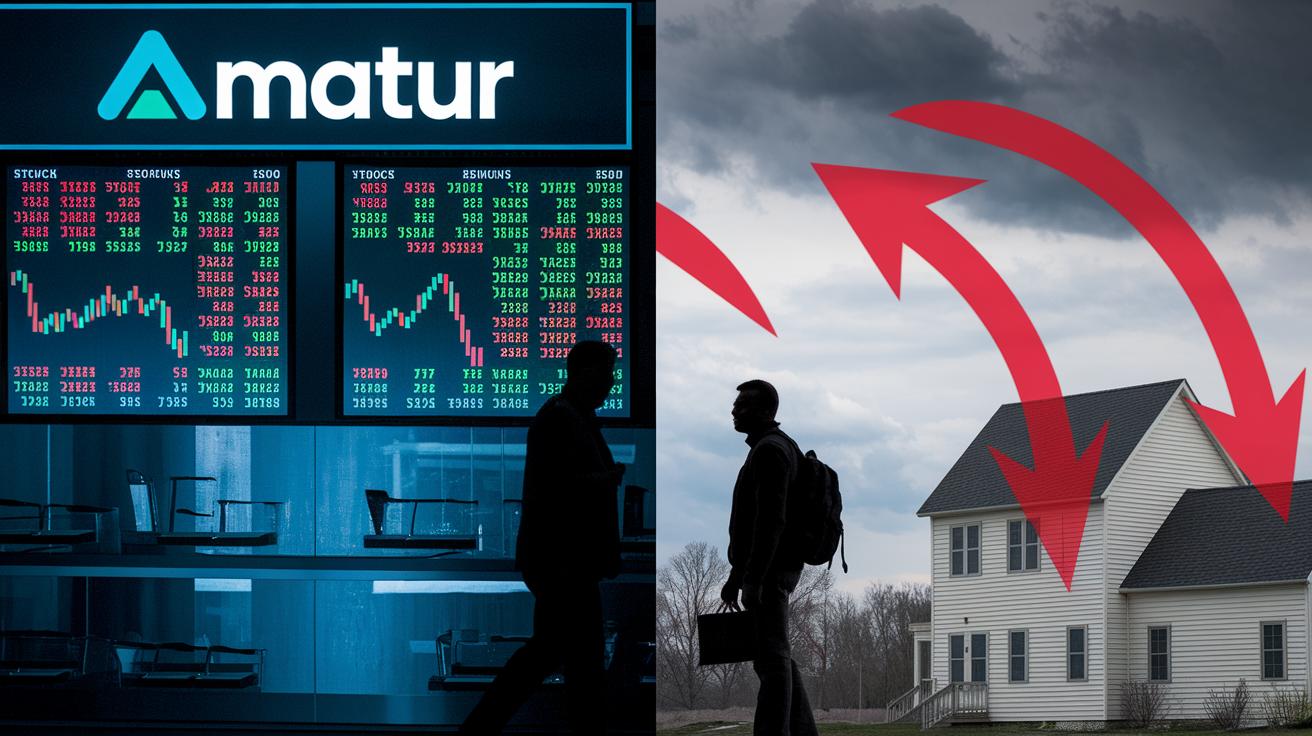
Back in the late 1990s, the dot-com bubble shows us just how much an overly positive mood can fuel market excitement. Investors rushed into internet stocks, driven by sky-high expectations that sent prices soaring to unstable levels. When reality caught up, the market stumbled dramatically, a reminder that wild optimism can quickly flip into sharp loss.
During the 2008 housing downturn, worry filled the market. Negative feelings spread fast as fears about housing and credit issues spurred a wave of selling. This gloom led to steep declines and unpredictable swings, while safe havens like healthcare managed to hold their ground. It’s a clear example of how a pessimistic outlook can make the market cautious and reactive.
These episodes remind us that collective moods play a big role in market ups and downs. When investors feel upbeat, markets can skyrocket in risky surges. When they feel down, caution takes over. Isn’t it interesting how our shared emotions weave through every market trend?
Integrating Sentiment into Risk Management and Trading Strategies
Investors often mix market feelings with core data to build smart risk plans. They blend mood signals with basic facts to set clear rules for when to buy or sell. For example, if market anxiety rises, traders might tighten their risk measures. This helps cushion losses while still keeping them active.
Traders also adjust their positions as the mood shifts. Imagine a sudden wave of gloom that drags prices down. In that moment, a trader might set a stop-loss order that adapts to current market swings. At the same time, moving gradually into safer assets can help manage uncertainty. This way, market mood directly guides portfolio tweaks.
Strong decision frameworks are essential too. Many investors fall into traps like panic selling or overleveraging when emotions run high. By adding mood checks into their system, they can avoid these pitfalls. For instance, a rule might reduce their market exposure when sentiment hits a set limit. This balanced approach keeps decisions steady, even when the market feels unpredictable.
Final Words
In the action, the article shows how market sentiment influences market volatility by examining moods that drive price movements. It digs into bullish, bearish, and neutral markets while highlighting data-backed measurement techniques. Real-world episodes remind us that shifts in investor emotions can trigger dramatic swings. It also outlines practical risk management strategies that smartly blend sentiment insights with trading tactics. These insights empower you to make informed decisions and respond effectively to dynamic market changes. Stay focused and use these findings as a guide to smart, proactive finance.
FAQ
How does market sentiment influence market volatility?
Market sentiment influences market volatility by reflecting the overall mood of investors. A bullish mood can drive rapid buying and rising prices, while a bearish mood may spark selling, increasing intraday price swings.
What is the relationship between investor sentiment and stock market volatility?
Investor sentiment closely relates to stock market volatility. When optimistic, traders often increase buying, boosting prices and volumes; when pessimistic, selling pressure mounts, amplifying market swings and driving volatility higher.
What factors influence market volatility?
Market volatility is influenced by investors’ moods, economic events, and global developments. Shifts in sentiment—whether bullish or bearish—play a key role, triggering increased trading volumes and sharper price movements.
How does market sentiment affect stock market price movements?
Market sentiment affects stock market prices by guiding buying and selling behaviors. A positive outlook tends to push prices higher through increased buying, while a negative mood can depress prices as selling intensifies.