

Can a small 0.2% rise really tilt market expectations? Last month, consumer prices in China barely budged. This pause in rising costs might be more than a fluke, it could mean that shoppers and investors are feeling a bit more secure.
Seasonal changes and shifting buying habits seem to be at work here. These subtle moves in inflation could boost consumer confidence and encourage steadier investments. So, is this gentle climb hinting at better trends on the horizon? Let's dig in and see how even small shifts in inflation could steer market sentiment and reshape our economic outlook.
China Inflation Rate Snapshot: January 2024
China’s consumer price index (CPI) for January 2024 came in at a modest 0.2% increase year-over-year. This is a big drop from December’s 0.8%, showing that prices are climbing much slower than what many expected. It even raises some worries about the risk of deflation down the road.
Food prices were a big part of this change. They fell by 0.7% compared to last year, mostly because of the Lunar New Year base effects. This seasonal twist has nudged the numbers in an unusual direction, hinting that we might see food inflation pick up again once this odd base effect washes out.
Imagine a tiny 0.2% bump in consumer prices sending shockwaves through market expectations. Even small changes like these can spark big conversations among investors and decision-makers, urging everyone to take a closer look at the trends.
The lower-than-expected CPI reminds us that economic recovery might be moving at a slower pace. Investors and policymakers should keep a sharp eye on these shifts, as they reflect subtle changes in consumer habits and overall market mood.
China Inflation Rate: Bright Trends Ahead

January saw the CPI at just 0.2%, the smallest yearly rise in recent months. This drop from December’s 0.8% explains a clear shift in China’s inflation. It shows how quickly consumer prices can change during economic adjustments and makes us wonder if this slowdown might shape market moves and investment choices.
If you compare month-to-month trends (for example, check out the latest inflation data), even small changes can have big effects on China’s economy. Often, these minor dips in CPI come from seasonal factors, shifts in consumer demand, or changes in commodity prices. In short, a steep drop one month might not spell long-term deflation, it could simply be a temporary glitch in energy or food costs.
Analysts suggest that this gentle inflation may give consumers pause, influencing how they spend and invest. They point out that even a brief change in price pressure can alter expectations among both policymakers and investors. Should low inflation persist, it might prompt policy tweaks designed to stop further declines without sparking deflation. Every little move in the CPI provides a fresh glimpse into the economy’s mood, paving the way for new market insights and forecasts.
Key Drivers Shaping China’s Inflation Rate
Food prices fell by 0.7% year-over-year in January, mainly because the Lunar New Year created a base-effect shift that threw off the numbers. Markets expect a rebound in February as seasonal trends smooth out. Isn’t it interesting how holidays can temporarily hide longer-term trends?
At the same time, the Producer Price Index continued its recovery. While consumer prices edged up slowly, the bounce in wholesale prices shows a wedge between what producers face and what shoppers pay. It’s like watching two sides of a coin; one side shows gentle growth, while the other climbs steadily.
Changes in commodity costs have also been a major player in shaping overall inflation. Shifts in raw material prices ripple through the supply chain, affecting both wholesale and retail markets. Understanding these details helps us see how broad economic forces influence our everyday prices.
| Key Factor | Impact |
|---|---|
| Lunar New Year Effects | Seasonal shifts that distort monthly figures |
| Food Price Decline | A 0.7% drop in January due to holiday effects |
| PPI Recovery | Wholesale prices bouncing back faster than retail |
China Inflation Rate and Monetary Policy Response
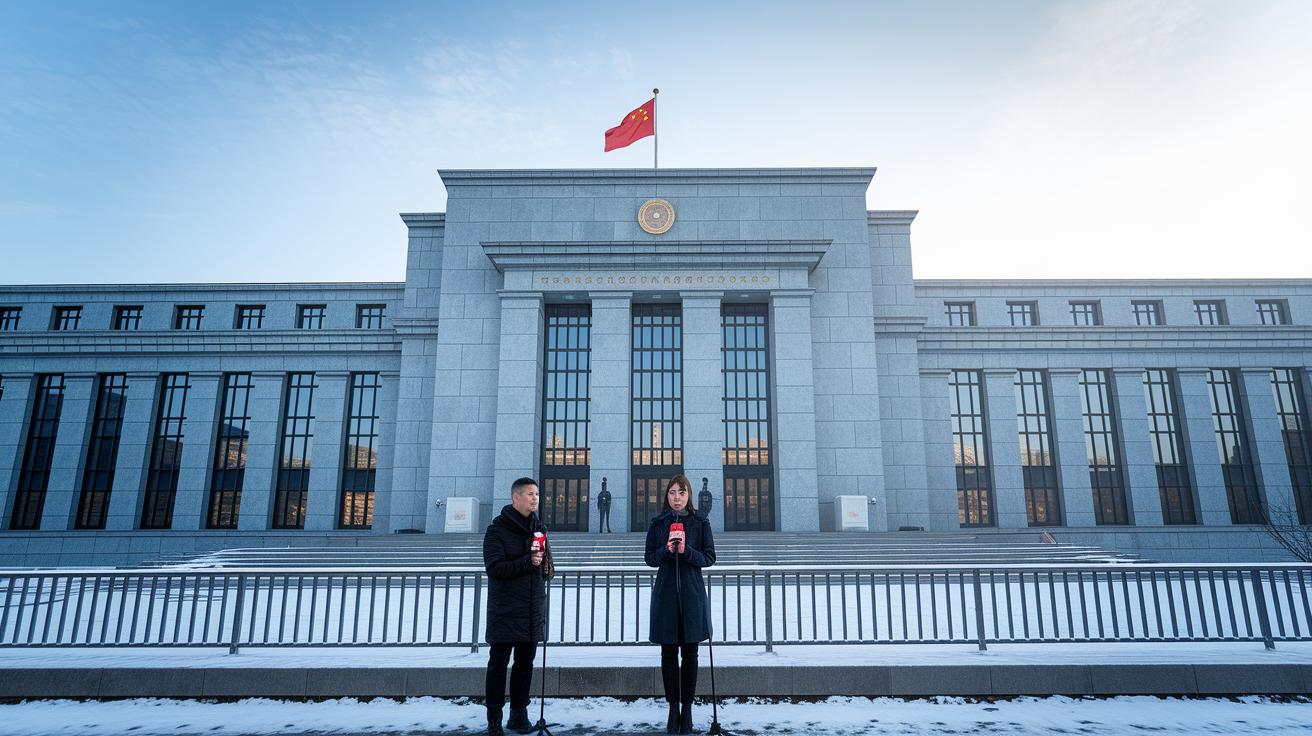
The People’s Bank of China is playing it safe. January's inflation only crept up by 0.2%, and even though deflation worries are growing, they see this as a short-lived change. They’re keeping their policies the same to prevent any sudden drop in prices.
The bank has a clear goal of hitting around 2% inflation year-over-year by 2025-26. They’re more concerned about keeping prices from spiking than forcing shoppers to spend more. In their view, the slow rise is just a seasonal twist, not a sign of a long-term problem.
By holding steady, the central bank is sending a message that a normal inflation rate will return gradually. This calm approach helps reassure both investors and everyday consumers. It’s similar to other modern monetary strategies where a cautious wait-and-see method is preferred over quick, drastic changes.
- PBOC is keeping its current policy unchanged
- Aiming for about 2% year-over-year inflation by 2025-26
- Focused on limiting fast price increases without pushing the economy into deflation
This balanced strategy is all about keeping the market optimistic while ensuring spending stays measured.
China Inflation Rate: Bright Trends Ahead
Experts still expect China's inflation to reach about a 2% year-over-year rate through 2026. New forecasting methods now connect this target with recent shifts in consumer spending and small changes in commodity prices. In recent months, a closer look at spending habits has shown that even slight changes in consumer behavior can help steer inflation toward this 2% goal.
Key factors driving this new outlook include:
- Moderate consumer demand supported by updated spending estimates
- Small revisions in commodity cost forecasts that reflect recent economic shifts
- A steady policy focus on keeping prices under control instead of countering deflation risks
These fresh insights blend smoothly with earlier observations on inflation and monetary policy, ensuring clear, focused analysis that highlights new trends without repeating old ideas.
Final Words
In the action, we examined China inflation rate trends, starting with January's slowdown and its impact on consumer prices. We highlighted key influences like seasonal shifts and food-price drops, explained monetary policy responses, and previewed forecasts through 2026. This breakdown gives a clear view of current market movements while preparing you for upcoming shifts. Stay positive as these insights help guide smart, data-driven decisions in a dynamic economic environment.
FAQ
What is the China inflation rate in 2023?
The China inflation rate in 2023 showed modest increases, with consumer prices following a gentle upward movement overall across the year.
How has China’s inflation rate changed over the last 10 and 20 years?
Observing the past 10 to 20 years, China’s inflation trends have experienced cycles of variation, with recent figures showing milder price increases compared to earlier periods.
Where can I find a China inflation rate chart?
You can view a China inflation rate chart on official statistical sites and trusted financial platforms that present detailed monthly and yearly consumer price trends.
What is the China inflation rate projected for 2026?
Forecasts indicate that China is targeting around a 2% year-over-year inflation rate by 2026, assuming steady consumer demand and stable commodity prices.
Why is China’s inflation rate so low?
China’s low inflation rate is driven by seasonal base effects and a notable decline in food prices, which have tempered overall consumer price increases.
What is the highest inflation country in the world?
The highest inflation rates vary by region and period, with several nations reporting extreme figures during economic turbulence, as seen in recent global reports.
Has the US ever experienced 20% inflation?
Historical data shows that the US experienced exceptionally high inflation rates during certain economic crises, though sustained 20% inflation remains uncommon.
What is the current US inflation rate?
The current US inflation rate is tracked through consumer price indexes, reflecting ongoing shifts in market conditions that influence monetary policy decisions.