

Are we looking at a sign of smarter spending or a warning of tougher times? December’s CPI report shows a 2.7% rise over the year and a small jump from last month. Even tiny shifts like this can change the way you plan your budget, invest, or save. By digging into these numbers, you get a clear look at today’s economy and can spot trends that may affect your future finances.
Current US Inflation Rate Today: Key Data from the Latest CPI Report
The December 2025 Consumer Price Index shows an annual inflation rate of 2.7% and a 0.3% monthly jump from November to December. Analysts are calling these some of the clearest numbers we've seen in the past three months. Sure, there are some challenges with how the numbers are measured, like borrowing stable prices in categories such as rent due to earlier disruptions from a government shutdown, but overall, the data paints a clear picture.
This report gives us a straightforward snapshot of today's economy. A 2.7% yearly rate might sound low, but it plays a big role in everyday decisions for consumers, businesses, and investors. Even a small monthly shift, like the 0.3% increase, can change how people spend money, kind of like how a slight change in the weather might change your day's plans.
By keeping an eye on these headline figures, you can get a quick read on market trends, which is crucial for smart financial planning. It’s a reminder that even tiny changes in economic data can really add up to affect our daily lives.
Understanding the Consumer Price Index in US Inflation Rate Today

The Consumer Price Index, or CPI, is one of our most important tools for tracking how living costs change over time. It shows us how fast prices rise and how that can shrink our buying power. Think of the CPI as a clear snapshot of inflation in action.
This index looks at eight spending areas: food, housing, apparel, medical care, recreation, transportation, education and communication, plus other goods and services. For instance, if you compare the cost of renting a modest apartment from last year to this year, even a small percentage shift can make a big difference in your budget.
We split the data into two groups: headline and core CPI. The headline covers all eight categories, giving you the full picture. But core CPI leaves out food and energy costs, which lets you see the underlying trend more clearly, like watching a calm stream instead of a wild river.
The numbers come from real prices gathered at stores and service providers. Even small changes in the CPI can affect everything from wage talks to how well your investments perform. Whether you're fine-tuning your budget or reviewing your investment plans, understanding these shifts is key to making smart choices.
Key Drivers Behind the Latest US Inflation Rate Today
Food and energy prices have driven many of the recent swings in the Consumer Price Index. One month, food costs can jump or drop quickly, almost like the temperature shifts from a hot day to a cool evening. Energy prices also tend to be unpredictable. For instance, a sudden drop in gasoline prices can free up extra cash for other purchases, sparking a wider market reaction.
Housing prices, which usually keep rising, have surprisingly stayed flat in these reports. This outcome happened because the Bureau of Labor Statistics used last month’s rent numbers instead of current ones. Imagine your rent holding steady while everything else changes. Also, seasonal discounts in November have trimmed retail and apparel prices, much like a clearance sale temporarily easing the strain on consumer spending.
Supply chain challenges have left their mark too, especially in transportation and recreation. These ongoing difficulties push costs higher in these sectors, clearly reflecting the hurdles industries are trying to overcome.
| Category | Influencing Factor |
|---|---|
| Food | Quick, volatile price changes |
| Energy | Unpredictable market shifts |
| Housing | Flat costs from using old rent figures |
| Retail/Apparel | Seasonal discount effects |
| Transportation & Recreation | Supply chain challenges |
Methodological Biases in the Latest CPI Report

The December 2025 Consumer Price Index shows some clear measurement issues that you should know about. Due to a government shutdown, the Bureau of Labor Statistics had to use old prices for key items, like rent and owners’ equivalent rent, from as far back as April to October 2024. Even if prices were rising or falling during that time, the report relied on outdated numbers, which might mask the real inflation pressures.
Data collected in late November also caught seasonal discounting that throws off the numbers. Think about it like a quick sale at your favorite store, a short-term drop in price doesn’t reflect the overall market trend. This blend of carry-forward pricing and seasonal quirks can make the inflation numbers look cleaner than they actually are.
During a period when rents in many areas were genuinely increasing, the reported figures stayed flat because old data was used. Analysts believe these biases could continue through April 2026. So, if you’re checking the CPI report, keep in mind that these methods might hide the true state of inflation.
Historical Comparison of the US Inflation Rate Today
In June 2025, the Consumer Price Index showed a tiny drop of 0.1% compared to the month before, with the yearly rate holding at 3%. This small dip marked one of the lowest figures in more than three years and hinted at a cooling economy after the high prices of mid-2024.
By December 2025, things had eased even more, with the annual inflation rate falling to 2.7%. This steady drop tells us that inflation has been slowly softening over time, which can benefit both consumers and businesses by helping prices stabilize.
If you picture the weather changing, you can see the parallel: just as a few cooler days signal that fall is coming, small monthly changes in inflation point toward a gradual cooling of price pressures. Have you ever noticed how even minor shifts can build up over time? This ongoing trend shows that the market is adjusting, giving us a clearer picture of the economic landscape.
Impact of the Latest CPI Reading on Consumers and Investors
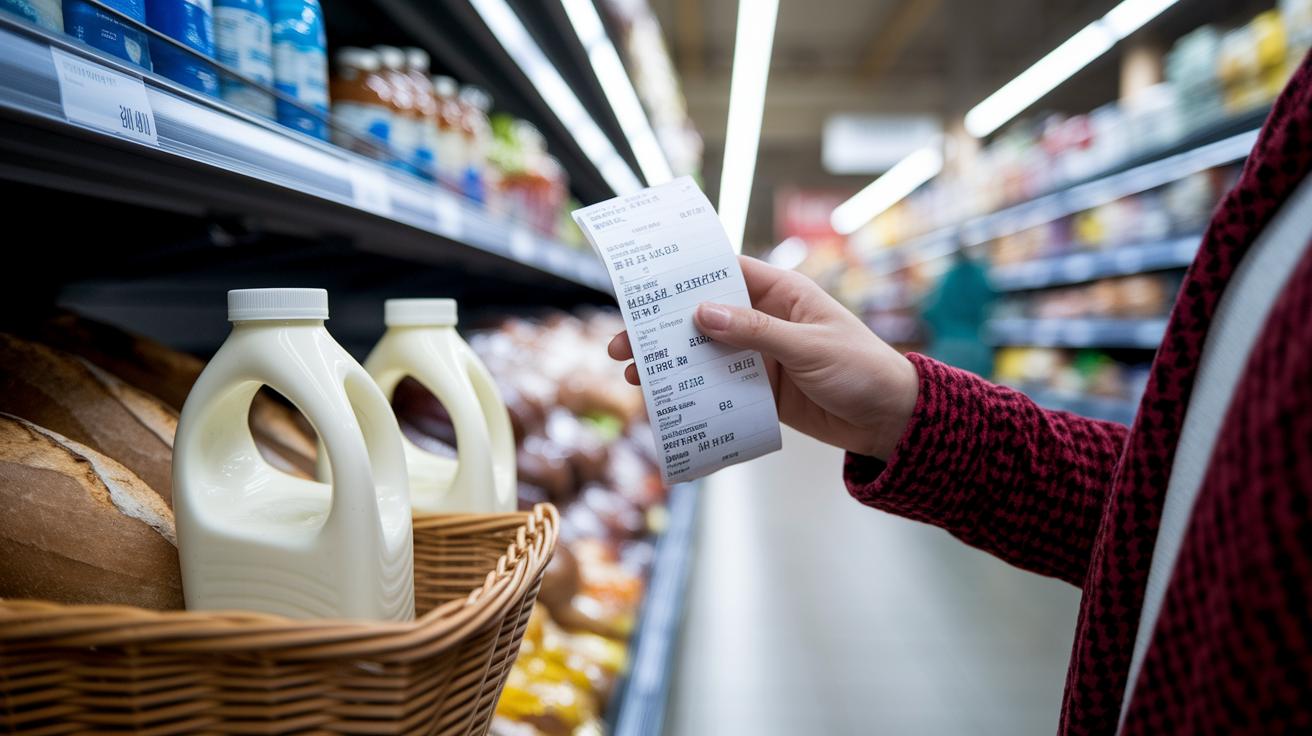
The newest CPI numbers tell us that price rises are starting to hit consumers. Have you ever noticed that a gallon of milk costs more now compared to a few months ago? Even a small price jump can make daily essentials harder to buy. It's a clear sign that buying power is shifting, and many people feel it when they shop or pay bills.
As prices go up, keeping a lot of cash can actually weaken your financial health. Experts often say that money sitting idle loses value over time. That’s why it's smart to adjust your investments. Even a modest uptick in inflation might cost you hundreds of dollars a year if your cash doesn’t grow.
Investors are encouraged to think beyond cash and spread their money across different types of assets. Consider this approach:
- Stocks from sectors that typically keep pace with inflation
- Bonds that provide a regular income stream
- Real estate that often stands up well against rising costs
- International assets that tap into varied economic conditions
This mix can help protect your wealth from inflation's bite. Rebalancing your assets and consulting with a financial advisor can further strengthen your portfolio. Imagine shifting a part of your savings into real estate or quality stocks, it’s a proactive way to build a buffer when inflation starts chipping away at your purchasing power.
By keeping an eye on inflation and actively managing your finances, both consumers and investors can better safeguard their wealth in a changing economy.
Next Steps: Anticipating Future CPI Reports and Inflation Outlook
Data collection gaps may skew how we read CPI trends until April 2026, so it makes sense to adjust our forecast models to handle these quirks. Analysts are already zeroing in on core inflation and volatile energy costs, which could give us the clearest hints about long-term trends. For example, models now factor in earlier tweaks made for flat price assumptions. It’s clear that Fed policymakers will watch these changes closely when they make decisions about interest rates, which could alter investment strategies.
Investors should also keep a close eye on recent CPI figures, even if the data isn’t perfect, as they may reveal small shifts in economic momentum. Meanwhile, experts recommend tracking both headline and core inflation numbers for a richer long-term view. For those curious about medium-term projections, visit the "inflation outlook" page at https://thefidinews.com?p=501. Monitoring these cues can help you better evaluate risks and decide your next moves as the market adapts.
Final Words
In the action, we examined the December CPI figures, explained how the methodology shapes the US inflation rate today, and broke down the influence of major components like housing and energy. We highlighted how historical shifts and methodological nuances provide essential context. Our insights on US inflation rate today: how to interpret the latest CPI report underscore the practical outlook for both consumers and investors. With a clear view on these trends, smart, data-driven decisions remain within reach.
FAQ
What time is the CPI data released today?
The CPI data release today refers to the scheduled time by the BLS when key inflation figures become public. This timing provides timely insights into market conditions and price trends.
What are the key figures in the latest CPI report and how is the US inflation rate measured by month and year?
The latest CPI report shows a 2.7% annual rise and a 0.3% monthly increase. These figures track inflation over one year and one month, offering a clear snapshot of changing consumer prices.
How should CPI readings like a 3% rate be interpreted and how do you read CPI news?
A CPI reading of 3% indicates a 3% yearly price rise, pointing to moderate inflation. Reading CPI news means comparing headline and core measures to grasp overall price trends that affect purchasing power.
What is the prediction for upcoming CPI reports based on current trends?
Future CPI reports are expected to show modest changes as core inflation figures and energy costs guide trends. Analysts also watch methodological nuances that may continue influencing data through April 2026.