
Ever wondered how you can track coin transfers without dealing with a glitchy app? A blockchain explorer is like a handy search tool that shows you real-time details on transactions and wallet balances. All you need to do is type in a unique code and watch live data appear right before your eyes.
This tool makes it easy to check transactions quickly and clearly. It gives you a genuine look at how digital exchanges really work. Whether you're an investor keeping an eye on trends or just curious about how it all happens, the explorer offers a straightforward glimpse into the world of blockchain.
what is a blockchain explorer – Simple Insights
Think of a blockchain explorer as a search engine designed for public blockchains. It pulls up clear, real-time details on transactions, wallet addresses, and blocks for a variety of cryptocurrencies. Picture yourself entering a unique transaction hash and instantly seeing who sent what to whom, the exact amount, and even the exact time the transaction happened. Isn't that neat? Even if your wallet app is glitching, the explorer lays out the true state of transactions and balances without missing a beat.
This tool earns its trust by keeping records that stay true, no matter what. You can easily check if a transaction went through, even when your wallet shows odd balances. Public blockchains openly share all transactions, except those on networks that prioritize privacy, which hide details for your safety. With its clear, step-by-step breakdown, a blockchain explorer helps investors, analysts, and enthusiasts quickly understand the real story behind digital transactions. So, whenever you face issues with your personal wallet app, you can count on the explorer to deliver accurate and current data.
Core Features of Blockchain Explorers

Blockchain explorers give you a real-time window into on-chain data for different cryptocurrencies. They let you check out all the details behind each transaction in a clear and straightforward way. Imagine typing in a transaction hash and instantly finding out who sent funds, how much, when it happened, along with the fees and confirmation status. This live data helps both investors and curious users verify information without always depending on third-party wallet interfaces.
These tools are designed to simplify tracking transactions with an easy-to-use search feature. You can look up a single transaction or analyze entire wallet addresses. So if you want to see the balance of a wallet holding various tokens, the explorer will display each token with its corresponding amount, giving you a full view of your digital assets.
Moreover, blockchain explorers let you delve into block-level details. Enter a block’s height or hash and you can view information like miner details, confirmation counts, network difficulty, and exact timestamps. Developers and auditors find smart contract explorers especially handy because they allow you to inspect the source code, making verification a breeze.
Key features include:
- Transaction hash lookup
- Wallet address balance checks
- Block detail viewing
- Smart contract code inspection
- Token supply and history analysis
These core tools form the backbone of blockchain explorers, ensuring that every on-chain transaction is tracked and verified with clear, actionable data.
Step-by-Step Guide to Using a Blockchain Explorer
Start by visiting a blockchain explorer website. It works like a search engine but for blockchains. For example, you might use Blockchain.com’s Bitcoin Explorer or ethVM for Ethereum. Once on the site, you’ll find a simple search box waiting for you to enter a transaction’s unique hash. Fun fact: when you plug in a transaction hash, you can quickly see its confirmation count, which shows the secure and verified history of the blockchain.
Next, type in your transaction hash and hit search. The explorer will show you details such as the transaction status, block number, confirmation count, and any linked contract addresses. Take a moment to review these details. If you see a status marked as successful along with a healthy number of confirmations, you know the transfer is securely recorded.
After checking individual transactions, you can also search for wallet addresses. Type in the wallet address to see all incoming and outgoing transfers and current holdings. This is especially helpful if your wallet app shows different numbers than those on the blockchain. When unexpected balances arise, the explorer’s data serves as a trusted checkpoint.
Finally, cross-check any token contract addresses you find with information on external sites. This extra step can verify legitimacy and reveal any discrepancies in token data. By following these steps, you can confidently verify crypto payments and clear up any mismatches between your wallet’s display and the actual blockchain records.
Exploring Blocks and Address Data in a Blockchain Explorer
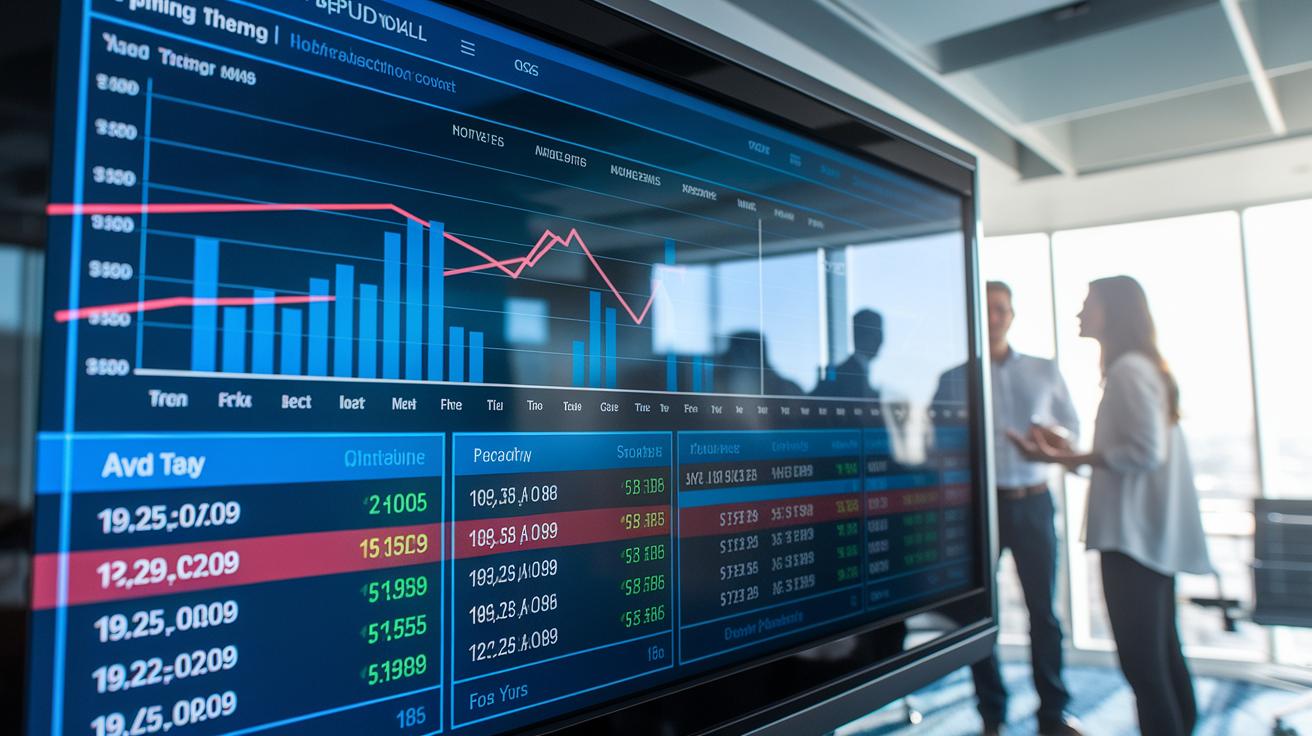
Here, we dive into extra tools that go beyond basic block searches and address tracking. Some explorers now offer interactive charts that show live transaction counts, fee shifts, and even how blocks spread through the network. Think of it like a heartbeat monitor, sparking alerts when fees suddenly spike.
We’re no longer just looking at a list of transactions and confirmation ticks. Real-time analytics now make it easy to see how miners are working. For instance, you might notice small changes in block difficulty that hint at a miner's plan to score better rewards.
Unique use cases include:
- Interactive charts that map transaction volume, fee trends, and block travel times
- Real-time analytics that spotlight how miners react to network changes
| Metric | Description |
|---|---|
| Transaction Volume | Shows how transaction numbers change over time |
| Fee Trends | Tracks shifts in transaction fees to signal network demand |
| Block Propagation | Measures how quickly new blocks spread across the network |
These enhancements give you a deeper look at blockchain activity, moving well past simple block search and address monitoring.
Advanced Functions in Blockchain Explorers: Contracts, Tokens, and NFTs
Smart Contract Inspection
Blockchain explorers come with handy tools to check out smart contracts. You can view the source code, look at constructor settings, and inspect ABI methods in an easy interface. Often, there’s a verification badge that shows the contract has been audited and is safe. This lets developers and auditors quickly see that the contract works as planned and isn’t hiding any surprises. It also displays key details for extra checks, so you know on-chain transactions follow the rules. This clear inspection builds trust among investors and developers.
Token Analytics
Token analytics features offer a clear view into digital token activity. They show important details such as total supply, how tokens are spread among holders, and the contract’s creation date. You can follow token movements and see supply changes to get a sense of market feeling. The detailed transfer history shows every transaction, making it easier to track who owns what. This transparency helps with chain auditing and gives a full picture of token circulation. By watching these trends, investors can spot big changes and make better market decisions.
NFT Ownership Monitoring
NFT ownership tools let you dive deep into digital asset history. They reveal details like images, attributes, minting information, and timestamps. You can follow ownership transfers to check authenticity and find out who now has the NFT. Seeing mint events and linked marketplace activity provides context for how digital collectibles are valued. The explorer keeps a thorough log of NFT changes, making the process very clear. And since it only shows pseudonymous addresses, both creators and collectors can be sure that privacy is maintained while still checking the details.
Comparing Popular Blockchain Explorer Platforms

When choosing a blockchain explorer, it's important to think about your specific needs. Each tool supports different chains, offers its own set of features, and updates data at its own pace. Some explorers use full node indexing to pull accurate data, while others rely on third-party API feeds. Users usually look for real-time network metrics like hash rate charts and mempool size, along with trusted smart contract verification. Traders love getting the latest numbers, and developers benefit from detailed insights such as bytecode traces and function inputs or outputs.
Let's focus on three standout options: Blockchain.com's Explorer, Etherscan, and ethVM. Blockchain.com zeroes in on Bitcoin and delivers live data through clear, easy-to-read charts. Etherscan is a top choice for Ethereum and ERC tokens, known for its smart contract verification, token approval details, and thorough event logs. On the other hand, ethVM offers deep insights into the Ethereum Virtual Machine by providing detailed bytecode traces that help you understand transaction parameters and how the system behaves.
Each explorer uses a different method to sync data and comes with unique user features, like various charting options and API access. Some platforms even note their latest refresh date, such as October 9, 2025. This range of choices means you can select the explorer that best meets your operational and analytical needs.
| Explorer | Supported Chains | Key Feature | Data Sync Method |
|---|---|---|---|
| Blockchain.com | Bitcoin | Network metrics | Full node indexer |
| Etherscan | Ethereum & ERC-tokens | Contract verification | API + node |
| ethVM | Ethereum | EVM debugging | Custom indexer |
Privacy, Security, and Limitations of Blockchain Explorers
Blockchain explorers display wallet hashes without linking them to real-world identities. When you check a transaction, you see a mix of letters and numbers, a public wallet address, but no name, phone number, or other personal info. For example, if you type in a wallet hash like "a3f69be3," you'll get transaction details without any hint of who owns it.
Privacy-focused networks like Monero go even further. They hide transaction details completely to protect user identities, though this means fewer details are available to look at. Meanwhile, traditional explorers work fast, but sometimes their data can trail the real-time activity by a few seconds or minutes.
Indexing nodes manage huge amounts of data and use robust systems to keep it secure. They protect the integrity of the data, ensuring it isn’t tampered with. Importantly, blockchain explorers don’t hold off-chain KYC or personal information, which keeps your privacy intact.
Key points include:
- Wallet hashes are shown without personal identifiers.
- Some third-party explorers might update a bit slower than real time.
- Indexing nodes securely handle large amounts of data.
- No off-chain user data is stored, keeping your information private.
Final Words
In the action, we explored what is a blockchain explorer by breaking down its role as a search engine for public blockchains. We walked through tracking transactions, examining wallet balances, and inspecting key data on blocks. The piece also highlighted using these tools with step-by-step guides, advanced functions like contract inspection, and a look at the main platform comparisons. We wrapped up with a clear look at privacy and security challenges. This overview leaves us positive about the benefits of using blockchain explorers to enhance our financial strategies.
FAQ
What is a blockchain explorer app and what is it used for?
A blockchain explorer app acts like a search engine for public blockchains. It displays transactions, wallet balances, and block details so users can verify data and track on-chain activity in real time.
How does a blockchain explorer confirm transactions, including unconfirmed ones?
A blockchain explorer confirms transactions by displaying details such as sender and receiver addresses, timestamps, and confirmation counts. It also shows pending transactions, helping users track the status of digital asset transfers.
What does a USDT blockchain explorer do?
A USDT blockchain explorer focuses on tracking transactions made with Tether. It displays details of USDT transfers between wallets and provides up-to-date information on transaction status and wallet balances.
What is a crypto explorer job?
A crypto explorer job involves analyzing on-chain data for compliance, security, and audit purposes. Professionals use blockchain explorers to monitor transactions, verify digital asset flows, and support research on network activity.
How can I use a blockchain explorer for Bitcoin?
Using a blockchain explorer for Bitcoin means accessing its public ledger to verify transactions, check wallet balances, and examine block data like confirmation counts and timestamps, ensuring full transparency of network activity.
What are the best blockchain explorers available?
The best blockchain explorers include well-known platforms such as Blockchain.com for Bitcoin and Etherscan for Ethereum. They offer comprehensive features like real-time data, contract verification, and detailed transaction tracking tools.
How much is 1 dollar in blockchain?
One dollar does not have a direct value on a blockchain since blockchain explorers track digital asset transactions. Currency conversions are managed by exchange platforms that convert fiat to cryptocurrency values.
Can I withdraw money from blockchain to my bank account?
A blockchain explorer only shows public ledger data and does not handle funds transfers. To withdraw money, you must use a wallet or exchange platform that converts cryptocurrency to fiat before sending funds to your bank account.