

In the past 30 days the tech job market has tightened visibly, with a string of public cuts and reorganizations. Notable moves include Etsy trimming about 11% of its workforce, Duolingo cutting roughly 10% of contractors, Bolt reducing headcount by about 29%, and Unity eliminating around 1,800 positions. Amazon reportedly planned to cut 'several hundred' roles, while rumors swirl that Netflix may follow. On top of that, Google announced a broad reorganization affecting roughly 30,000 employees, though it's unclear how many layoffs will result. For engineers and contractors, this compressed window of opportunity has made job hunting more fraught.
Tech Job Market Tumbles: Major Cuts in the Last 30 Days

In the past 30 days the tech job market has tightened visibly, with a cascade of public cuts and reorganizations across consumer and enterprise firms. Etsy trimmed roughly 11% of staff, Duolingo eliminated about 10% of contractors, Bolt slashed around 29% of roles, and Unity announced roughly 1,800 layoffs. Amazon is reported to be cutting several hundred positions and there are rumors about Netflix trimming teams. Google’s sweeping reorganization affecting about 30,000 people adds uncertainty around how many roles will actually be eliminated. The result: a compressed market for engineers, contractors and product talent.
Big-Name Reductions: Broadcom, LinkedIn and Stack Overflow

This bleed isn't confined to early-stage startups. Broadcom reportedly cut about 1,200 positions in the Bay Area, LinkedIn pared roughly 563 engineering roles, and Stack Overflow reduced staff by about 28%. Those moves demonstrate that both infrastructure and developer-focused businesses are recalibrating after aggressive expansion cycles. Startups keep churning quietly, too, as funding and sales slow. Regional tech hubs feel the cumulative impact: fewer open roles, more competition, and longer searches. Employers are blending freezes, targeted reductions and reorganizations instead of broad hiring pushes.
OpenAI and the 100K Applicant Surge
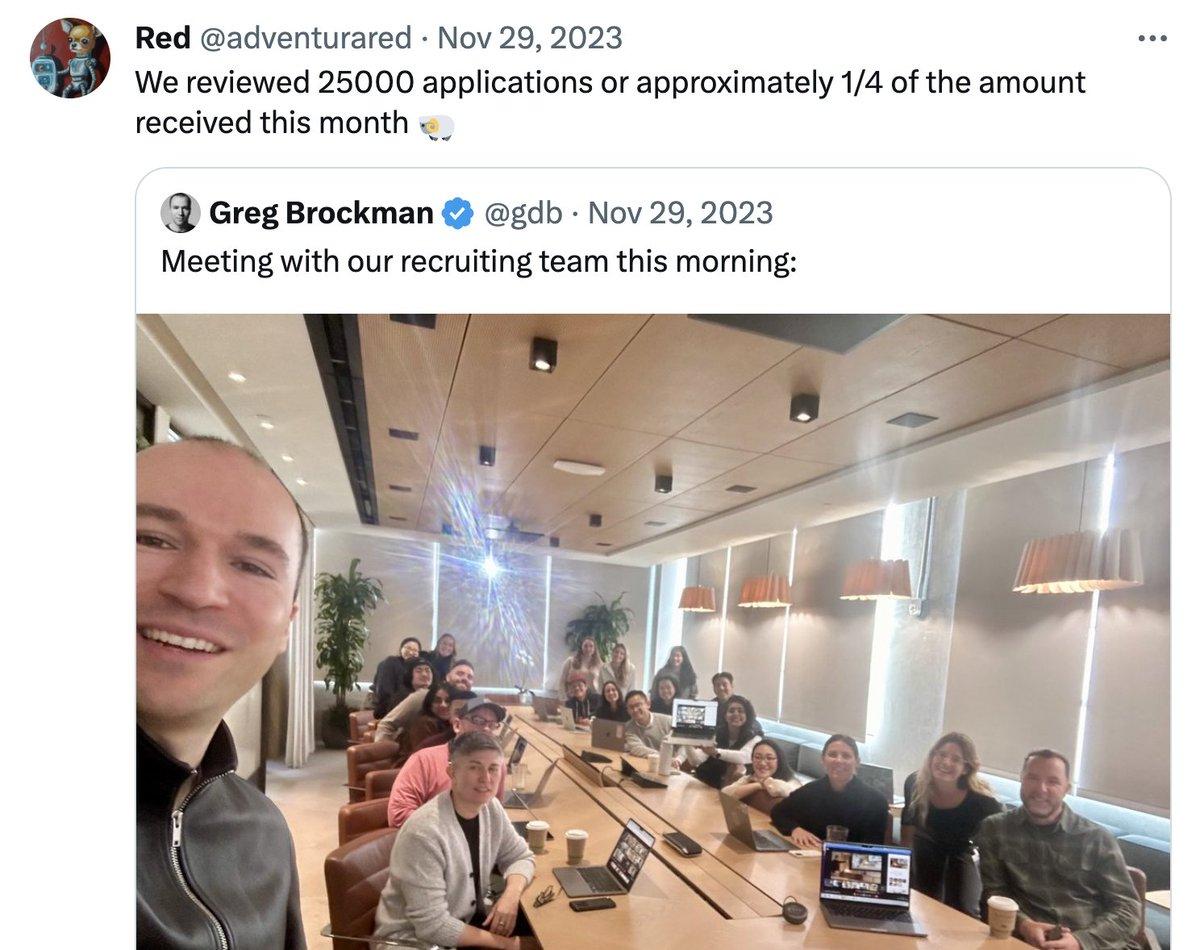
Amid layoffs and freezes, demand for AI talent has exploded. OpenAI reportedly received roughly 100,000 applications in a single month, a tsunami that highlights how many jobseekers are chasing relatively few coveted AI roles. That volume lets top AI firms be extremely selective and creates a high signal-to-noise recruiting environment. For displaced engineers, standing out now means demonstrable AI work, clear project outcomes and niche skills. For hiring teams, the deluge complicates sourcing: screening becomes a bigger challenge and passive filters favor candidates with distinct, provable accomplishments rather than generic resumes.
IT Employment Nearly Flat: Just 700 Jobs Added in 2023

Official measures show IT employment barely moved in 2023 , a net gain of roughly 700 jobs , which is strikingly low for a sector used to adding thousands annually. That small headline change masks substantial churn: waves of layoffs, hiring freezes, and pockets of specialist hiring (cloud, security, AI). Many hires were offset by cuts elsewhere, squeezing junior and contract roles hardest. For jobseekers this means realistic expectations: longer searches, targeted skill development and prioritizing roles where demand remains resilient. Employers are emphasizing productivity and specialization over broad-based hiring.
Tax Policy Hits Hiring: The Section 174 Effect

Policy shifts matter. A change to how firms treat R&D under the IRS's Section 174 rules has pushed many companies to capitalize and amortize research expenses rather than deduct them immediately. That change raises near-term tax liabilities and reduces cash flow, which is particularly painful for startups and smaller engineering-heavy firms. With payroll one of the largest fixed costs, constrained cashflow makes management more likely to trim roles. Observers note this accounting and tax shift as one contributor to hiring conservatism even when demand or product roadmaps would otherwise justify growth.
Macro Pressures: Rates, SaaS Costs, Offshore Competition and AI

Several macro forces are compressing tech hiring. Rising interest rates cooled venture funding and investor appetite, prompting companies to conserve cash. The Section 174 change increases near-term tax burdens. Operational costs , especially seat-based SaaS tools and expensive vendor contracts , squeeze margins. Global competition from lower-cost engineering markets gives firms alternatives to U.S. hires. AI tools are also boosting senior engineer productivity, reducing the need for large junior cohorts. Combined with many firms overhiring in 2022, the overall effect is a shift from headcount growth toward efficiency and targeted hiring.