

Have you ever noticed how one headline can shift the mood of the market? Investors react to news based on how they feel about price moves, and these emotions can really drive buying or selling.
One day, a burst of confidence might lead to a buying spree; on another, even a tiny bit of caution can spark a sudden sell-off. In this post, we chat about how mixing clear data with gut feelings helps traders decide when to dive in or pull back. It’s like checking the pulse of the room before making your move.
Stock market sentiment fuels savvy decisions
Stock market sentiment is simply how investors feel about a market, asset, or sector. It shows whether they're upbeat, cautious, or even a bit unsure about where prices are headed. Instead of relying solely on hard data like earnings or revenue, these feelings, often sparked by the day's news, can drive prices in the short to medium term.
Picture this: one unexpected headline during a trading session can brighten everyone's mood and push prices higher. When optimism takes over, investors buy in. But if traders feel pessimistic, they start selling, which can pull prices down. And when the mood is neither too high nor too low, markets tend to drift sideways while everyone weighs their options.
This outlook on mood acts like a handy guide, helping traders figure out the right moments to jump in or step back. Extreme swings in sentiment may hint that prices have overshot their mark, giving a smart investor a reason to take extra care before making a move. In practice, savvy traders blend these market vibes with traditional data to navigate short-term risks and sharpen their strategies.
Key drivers behind shifts in sentiment include breaking news, fresh economic data, and energetic discussions among investors. These factors can quickly change the market's pulse, making it important to keep a regular check. In essence, understanding these market moods turns raw emotion into smart, actionable insights that keep traders on their toes in today’s fast-moving world.
Key Indicators for Measuring Stock Market Sentiment
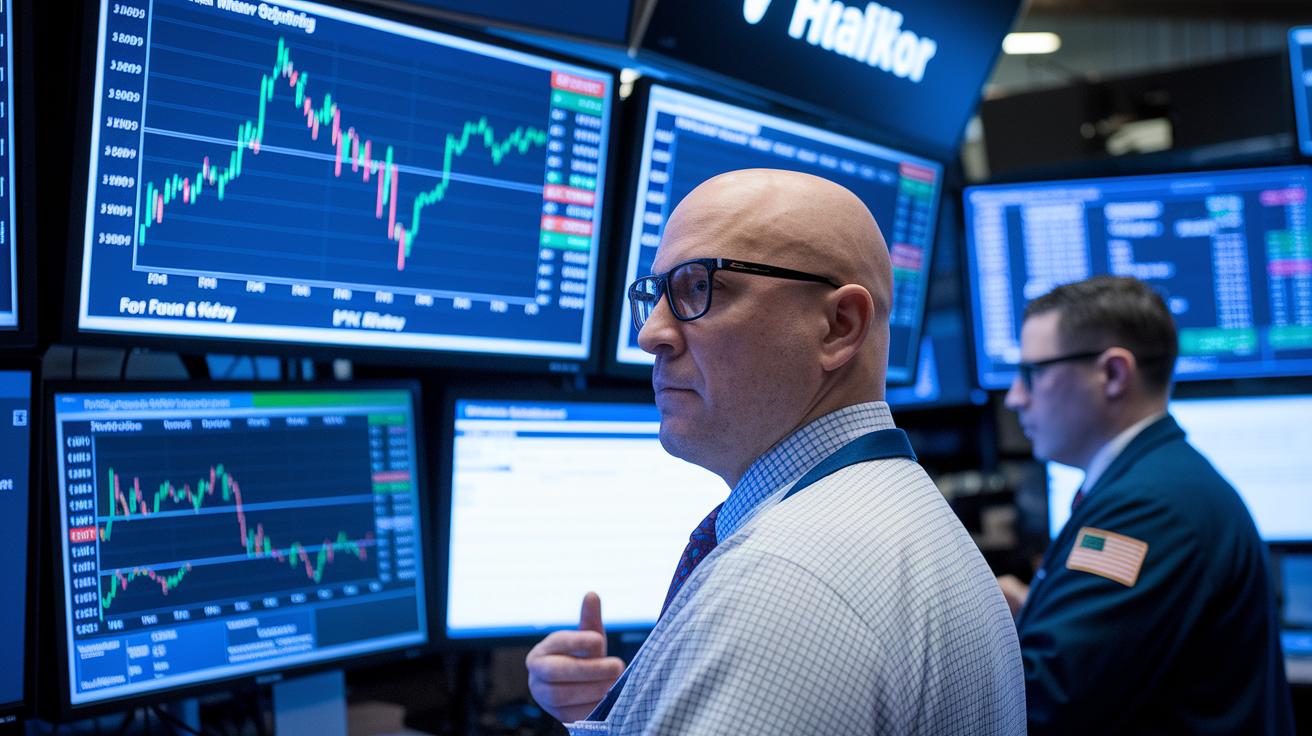
Have you ever noticed how the CBOE Volatility Index (VIX) often grabs attention? This index shows the market’s expected ups and downs over the next 30 days. When the VIX climbs high, it hints that fear is rising, and investors might soon switch to a more careful approach. For example, when the VIX reached very high levels during a previous dip, it signaled a reversal and alerted traders that a buying opportunity was near.
There's also the Fear & Greed Index. It measures investor feelings on a scale of 0 to 100. Scores near 0 show deep fear, while scores near 100 point to extreme greed. When the index bumps up to extreme numbers, it can be a signal that the market might soon reverse. Imagine seeing a score of 90, you might want to prepare for a pullback.
Another handy tool is the put/call ratio. This tells you whether more put or call options are being traded. A high put/call ratio usually means many are feeling bearish about the market, whereas a lower ratio can suggest optimism.
Sentiment surveys, which ask investors about their market outlook, and high/low indicators like the NYSE 52-week highs and lows, also provide a clear view of the market’s mood.
One smart move is to watch for extreme readings across these signals. When several tools show either too much fear or too much greed, many investors see it as a cue, either to buy when the market seems overly negative or to get ready when optimism peaks.
| Indicator | Description |
|---|---|
| VIX | Shows the expected market volatility over 30 days. |
| Fear & Greed Index | Measures investor sentiment on a scale from 0 (fear) to 100 (greed). |
| Put/Call Ratio | Compares the volume of put options to call options, indicating market mood. |
| Sentiment Surveys & High/Low Indicators | Provide snapshots of investor feelings and market peaks or troughs. |
Main Drivers of Stock Market Sentiment
When you tune in to the news, headlines, economic reports, and global events all play a big role in setting the market’s mood. Positive news can spark investor confidence, driving a wave of buying that pushes stock prices higher. But when the stories turn negative or earnings miss expectations, it usually leads to caution and more selling.
Market trends add another layer. Rising prices tend to build a sense of optimism, often creating a cycle where gains encourage more buying. On the other hand, when prices drop, investors slow down and think twice about making new moves. Past performance matters too, a recent upswing can boost confidence, while recent losses might leave everyone hesitant. Ever remember how a strong quarter left traders feeling almost invincible?
Social media chats and lively investor talks also mix into the sentiment. These online conversations can quickly change the mood, much like how discussions around tech consumer behavior can steer investor feelings.
Finally, broader factors such as strong GDP growth, friendly tax rules, and innovative initiatives help maintain an overall positive outlook among market participants.
Applying Sentiment Analysis in Trading Decisions

Traders sometimes flip the usual script by tuning in to the market’s moods. Back in 2008, when panic was in the air, a few investors spotted oversold conditions and saw a rare opening to jump in. They realized that even deep negativity can set the stage for a market rebound.
Smart tools like the AAII Sentiment Survey and algorithmic models help traders keep an eye on these shifts. They track the market’s heartbeat in real time, letting investors adjust their strategies as sentiments change.
Mixing these insights with traditional analysis can sharpen your entry and exit moves. For instance, if a trader notices the market is filled with fear, that might signal it’s time to buy, betting on a trend reversal. This approach also plays a big role in managing risk, when sentiment readings hit extreme levels, it could be a cue to tighten stops or reduce positions.
Integrating sentiment insights into your overall trading strategy helps keep your decisions disciplined, even when emotions run high. But be careful, not every extreme mood is a signal to act. Balancing these readings with solid technical checks is key to making smart, informed trades.
Real-Time Stock Market Sentiment Monitoring Tools
Real-time dashboards let you see the market's mood at a glance. They mix past data with live updates to help you quickly understand shifts in investor behavior. Many platforms use trusted indicators like the Fear & Greed Index or the AAII Sentiment Survey, so you can catch changes as they happen.
Imagine watching the intraday VIX level spike. That sudden jump tells you investors are getting cautious, prompting some to rethink their positions right away. It’s like getting a real-time pulse of the market during fast moves.
Tools like Semantic Visions do the heavy lifting by filtering out extra noise to focus on key signals. By using these dashboards, you connect today's market emotions with historical trends, making it easier to adjust your strategy on the fly.
These tools not only show current sentiment but also help you track trends over time. This ongoing insight into the market’s mood can guide you to make smarter trading decisions.
Forecasting Market Trends with Sentiment Models

Predictive sentiment models are shaking up the old ways of market analysis. They blend historical data with smart machine learning to spot the mood before it shifts. For example, one tool might scan news headlines and social chatter to pick up on hints of trouble brewing in the market.
There was a time when an algorithm picked up bearish comments online and signaled a major sell-off before it took off. Moments like these remind us that a keen signal can really change the game.
These models learn from past volatile periods and back up traditional market analysis. When you mix sentiment forecasts with standard data, you get a clearer picture of what’s ahead.
Today, traders and analysts use these models as part of their risk management. Rather than just looking at static numbers, they watch real-time feelings in the market to time their moves better.
A sudden spike in these metrics might point to a turning point, prompting quick strategy changes. With these insights, traders are better equipped to navigate the ever-changing market landscape with confidence.
Final Words
In the action, this article unpacked stock market sentiment by explaining its definition and real-world significance. It reviewed top indicators like the VIX and put/call ratios, explored drivers such as news and economic data, and showed how traders integrate sentiment analysis into their decision-making. Small real-time tools and forecast models were also spotlighted, offering a clear pathway to smarter decisions. This insight leaves you well-equipped to gauge market mood and stay ahead with a solid grasp of stock market sentiment.