

Have you ever wondered how a chain of blocks could change the world? The very first blockchain wasn’t created by one leader, but by a group of innovators who used basic cryptography to secure every record. Three simple systems laid the groundwork for the way we manage records and money today. Their unassuming design shows that even small ideas can spark big progress. Let’s dive in and see how these early innovations continue to shape our technology and inspire new breakthroughs.
Core Definition of the Oldest Blockchain and Its Significance
The oldest blockchain is the very first digital ledger that linked timestamped records using simple cryptographic methods without needing a central boss. It set the stage for today’s distributed tech by recording each transaction in a clear chain of blocks. For a quick look at its basic structure and impact, check out "What is Blockchain" (https://smartfinancialtrends.com?p=682).
At its core, three essential features drive this system: decentralization, cryptography, and consensus mechanisms. Decentralization means no one person or group controls the records; a network of peers keeps everything active and in plain sight. Cryptography locks in the data so that each block connects permanently to the next, much like a digital padlock that only opens when you crack a tricky code. And consensus mechanisms help all members agree on new records without a middleman.
Together, these features build a trustless and unchangeable record system where unauthorized changes are nearly impossible. Each block’s strong link to the one before it creates an unbreakable chain that has influenced modern ledger technologies. Even the earliest blockchain shows us how simple ideas can spark major breakthroughs in digital finance and data security.
Pre-Bitcoin Precursors to the Oldest Blockchain
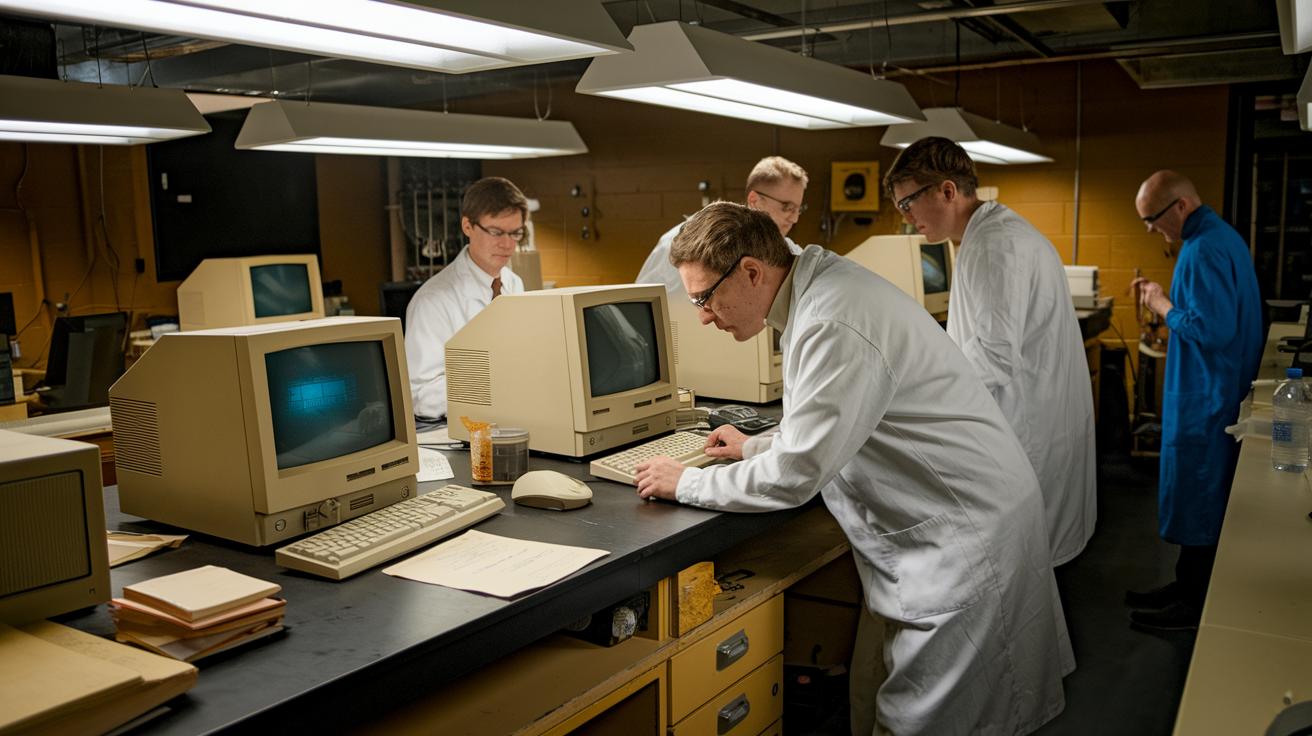
Back in the early 1970s, digital timestamping first took shape. Researchers began using simple cryptographic techniques to stamp records with a clear time, all without a central system. This breakthrough meant people could verify when a document was created or changed. It’s a basic idea that later sparked the evolution of decentralized record-keeping.
By 1991, a group of pioneering scientists at Bell Labs pushed the idea even further. They proposed linking these stamped records into a chain where every new entry connected to the one before it. Think of it like a train where each car is linked in sequence. This early concept laid the groundwork for what we now call Decentralized Ledger Technology (DLT), the force behind today’s blockchain platforms.
Some of the key innovations from that time were:
- Haber–Stornetta timestamp service (1991)
- ADAMS timestamp scheme
- Early digital notary networks
- Distributed timestamp networks for document authentication
Bitcoin’s Genesis Block: Landmark of the Oldest Blockchain Era
Back in January 2009, Bitcoin made its debut when Satoshi Nakamoto released the very first block, known as the genesis block. This moment marked the start of a public network where transactions are checked by many users through a proof-of-work system.
Bitcoin’s first block is famous not just for starting digital money but also for the message it carried: "The Times 03/Jan/2009 Chancellor on brink of second bailout for banks." This was a clear signal that a change in how money works was needed, especially at a time when old banking systems were in trouble.
Every Bitcoin transaction is added to a digital ledger that can’t be changed, much like writing down every sale in a notebook that everyone can see. This system builds trust because there isn’t one boss in charge, it’s run by many independent peers instead.
Bitcoin quickly became a model for secure, unchangeable digital records. It built new blocks on top of the old ones, making the chain tough to tamper with. This idea still shapes the world of digital currencies today.
| Field | Value |
|---|---|
| Block Date | 03/Jan/2009 |
| Creator | Satoshi Nakamoto |
| Block Reward | 50 BTC |
| Embedded Message | The Times 03/Jan/2009 Chancellor on brink of second bailout for banks. |
| Block Hash | 000000000019d6689c085ae165831e93 |
Consensus and Mining: Functions Behind the Oldest Blockchain

Imagine a group of generals trying to agree on a battle plan with no clear leader. In a world without one boss, getting everyone on the same page can be really tough. Any wrong word or act of betrayal might throw the whole plan off. In blockchain, this is exactly why every member needs to agree on the ledger’s status, a real-life twist on the Byzantine Generals Dilemma.
Proof-of-work mining came in as a clever fix. Miners race against each other to solve hash puzzles, and the first to crack it earns a reward. Even the simple, early mining methods depended on these computer puzzles to get everyone to sync up on the blockchain’s history. Think of it as a chorus of computers working together to keep records safe and unchangeable.
Early milestones, like Hal Finney’s test transactions, really showed that this system had legs. Hal was among the first to prove that even a basic mining protocol could securely verify digital transactions. His work paved the way for a future where networks run smoothly without a central authority. Isn’t it interesting how one breakthrough can change everything?
Case Study on Early Legacy Chain: Tectum’s Pioneering Features
Tectum got its start back in the 1980s working on self-healing systems for submarine software. That early work on decentralized systems set the stage for a breakthrough digital ledger startup. By using smart methods to keep systems strong even under tough conditions, Tectum paved the way for new ideas in record-keeping.
SoftNote Innovation
Tectum’s SoftNote technology makes instant, fee-free transfers possible. It cuts out long wait times and extra costs that you might see with other digital transactions. In short, this tech moves value in the network as fast as sending a quick message.
Tectum Tokens (TET and TCT)
At the heart of Tectum’s system are two tokens. TET is a utility token that gives you access to different features on the platform. Meanwhile, TCT works like cash for everyday transactions, making payments simple and quick. Together, these tokens boost Tectum’s role as an early leader in digital asset records.
Network Components
Tectum builds its strength on a few key parts. Light Nodes take care of data processing efficiently, while Tectum Labs constantly upgrade the technology. A worldwide network of partners also plays a big part in tying these systems together. This collaborative approach keeps Tectum strong and ready to take on new challenges in the digital world.
Evolution Beyond the Oldest Blockchain: From Foundations to Modern DLT

Big institutions have taken blockchain further than anyone imagined. The European Union is investing €347 million in projects that test and use blockchain in the real world. At the same time, Irish government bodies are shifting resources to back blockchain methods that have already proved effective. This support shows a clear commitment to making digital records work better by mixing trusted ideas with new funding.
Since Bitcoin first hit the scene, new platforms have quickly emerged by introducing stablecoins, digital identity systems, and business-focused ledgers. Modern ways to verify data and agree on transactions have developed to meet today’s market needs. Today’s blockchain ideas build on those early concepts, proving that innovation never stops. The transformation of legacy systems into modern distributed ledger technologies shows that strong foundations can evolve into versatile tools.
Final Words
in the action, we explored the core definition of the oldest blockchain and its role in shaping trustless, immutable record-keeping. We traced the evolution from early digital timestamping to Bitcoin’s genesis block and the ensuing consensus and mining innovations.
We also examined early prototype systems and legacy chains like Tectum, highlighting practical milestones in blockchain technology. This analysis reinforces how the oldest blockchain continues to influence modern distributed ledger tech, offering a strong foundation for future innovations.
FAQ
Q: What does oldest blockchain reddit refer to?
A: Oldest blockchain reddit refers to online discussions about the earliest blockchain concepts. These threads explore historic systems like Bitcoin’s first ledger and share community insights into its humble, decentralized origins.
Q: What are blockchains?
A: Blockchains represent distributed digital ledgers that store transactions in linked, cryptographic blocks. They offer a trustless recordkeeping system where users verify data without a central authority.
Q: Who invented blockchain?
A: Who invented blockchain is answered by noting that Bitcoin’s anonymously developed technology, credited to Satoshi Nakamoto, built on earlier cryptographic concepts that paved the way for blockchain innovation.
Q: What is a private blockchain?
A: Private blockchain refers to a permissioned digital ledger that limits access to selected participants. This controlled setup is useful for organizations wanting to manage and secure their own transactions.
Q: What are the types of blockchain?
A: Types of blockchain include public, private, and consortium systems. Each type caters to different needs—public blockchains open access to everyone, while private versions restrict participation for enhanced security.
Q: What defines a public blockchain?
A: Public blockchain describes a ledger open to anyone, encouraging transparency and decentralization. Such systems let all users participate in transaction verification, making them widely robust and accessible.
Q: What does blockchain crypto involve?
A: Blockchain crypto involves using blockchain technology to secure digital currencies. Cryptocurrencies like Bitcoin rely on decentralized ledgers to confirm transactions and maintain a trustless financial network.
Q: What is a blockchain example?
A: A blockchain example is Bitcoin, which uses a linked chain of blocks to record transactions in a public and immutable ledger. This system serves as a model for secure, decentralized recordkeeping.
Q: What if I invested $1000 in Bitcoin 10 years ago?
A: What if you invested $1000 in Bitcoin 10 years ago would likely indicate a substantial increase in value. Bitcoin’s dramatic price growth over the years reflects its market adoption and innovative framework.
Q: What was the first blockchain?
A: What was the first blockchain is answered by identifying Bitcoin as the inaugural live blockchain. It established a public, immutable ledger with a proof-of-work system that set the stage for modern cryptocurrencies.
Q: Which blockchain is Trump on?
A: Which blockchain is Trump on is not applicable; there is no blockchain explicitly linked with Trump. Blockchain technology functions independently of personal or political affiliations and serves diverse applications.
Q: What is 0.00000001 BTC called?
A: What is 0.00000001 BTC called is known as one satoshi, the smallest denomination of Bitcoin. This unit allows for the precise measurement and trading of fractional cryptocurrency values.