

Ever wonder why prices stay calm when trading slows down? Liquidity providers are the unsung heroes behind the scenes. They keep the bid and ask prices close by constantly placing offers.
These market helpers fill in the gaps and add extra buying or selling power. This extra push stops prices from jumping around wildly.
Think of them as a soft cushion under every trade. Their steady work builds trust and gives traders confidence. Every day, their efforts keep the market running smoothly.
How Liquidity Providers Ensure Market Efficiency
Liquidity providers are companies that constantly post buy and sell orders in the market. They work to keep the gap between bid and ask prices small, making it easier for everyone to buy and sell. You can see different types of liquidity providers out there, from big banks with plenty of capital to tech-driven firms that use advanced systems, and even high-speed traders who rely on fast automated strategies.
These players make a big difference in the market. They boost trading volume during quiet times, ensuring there’s enough activity so prices don’t swing wildly. By carefully balancing supply and demand, they help stabilize prices even when overall trading is slow.
Their contributions include:
- Constantly posting bid and ask quotes
- Narrowing the spread between bid and ask prices
- Adding extra buying or selling power when activity is low
- Soothing sharp price movements
- Enhancing the way prices are discovered
In doing so, liquidity providers build confidence among traders and keep the market running smoothly. Their efforts help create a secure space where investors can trade reliably, which is essential for the overall health of the financial system.
Types of Market Liquidity Providers in Traditional and Crypto Markets

Market liquidity providers fall into four main groups that shape both traditional and crypto markets. Tier 1 banks, like Barclays and Morgan Stanley, use solid capital and wide asset access to supply liquidity in FX and equities. Meanwhile, non-bank liquidity providers such as Jane Street or Citadel Securities use tech-driven strategies to cater directly to buyside needs across assets like equities, ETFs, derivatives, and currencies. Broker-dealers, including firms like Goldman Sachs and UBS, offer services in custody, advisory, and leverage, while high-frequency trading firms rely on quick, algorithmic moves to complete trades.
| Provider Type | Example Firms | Key Characteristics |
|---|---|---|
| Tier 1 Banks | Barclays, Morgan Stanley | Large capital, broad asset access |
| Non-Bank LPs | Jane Street, Citadel Securities | Tech-driven, direct buyside |
| Broker-Dealers | Goldman Sachs, UBS | Custody, leverage, advisory |
| HFT Firms | Flow Traders, DRW | Sub-millisecond execution |
In decentralized finance, automated market makers (AMMs) add another layer to crypto market liquidity. They use smart contracts to handle on-chain liquidity pools, ensuring there’s always trading access, even during slow periods. They also employ dynamic pricing to keep the pool balanced while managing risks like impermanent loss, where sudden asset value changes can impact expected returns. This smart approach helps stabilize liquidity, boosts market confidence, and gives crypto traders a strong alternative to traditional liquidity providers.
Benefits and Risks of Partnering with a Market Liquidity Provider
Working with a market liquidity provider can offer a real boost for traders. They constantly provide both buy and sell quotes, which helps to narrow the gap between bid and ask prices. This continuous flow of information makes it easier for the market to set clear prices, even during slower trading periods. For instance, by balancing bids and offers, these partners help hide large price swings and make trade execution more consistent.
But it’s not all smooth sailing. Technology glitches or issues with automated systems can leave trades hanging, and strict AML/KYC rules add extra layers of complexity. In decentralized finance, there’s also the risk of impermanent loss from automated market maker pools. And then there’s the ever-present threat of spoofing and cyber-attacks, not to mention broader market shifts and regulatory changes.
Balancing these benefits with the risks means companies must stay on their toes. They need to regularly update their technology and maintain strong risk management practices to keep trading reliable and build trust in the market.
Operational Mechanics and Revenue Models of Market Liquidity Providers
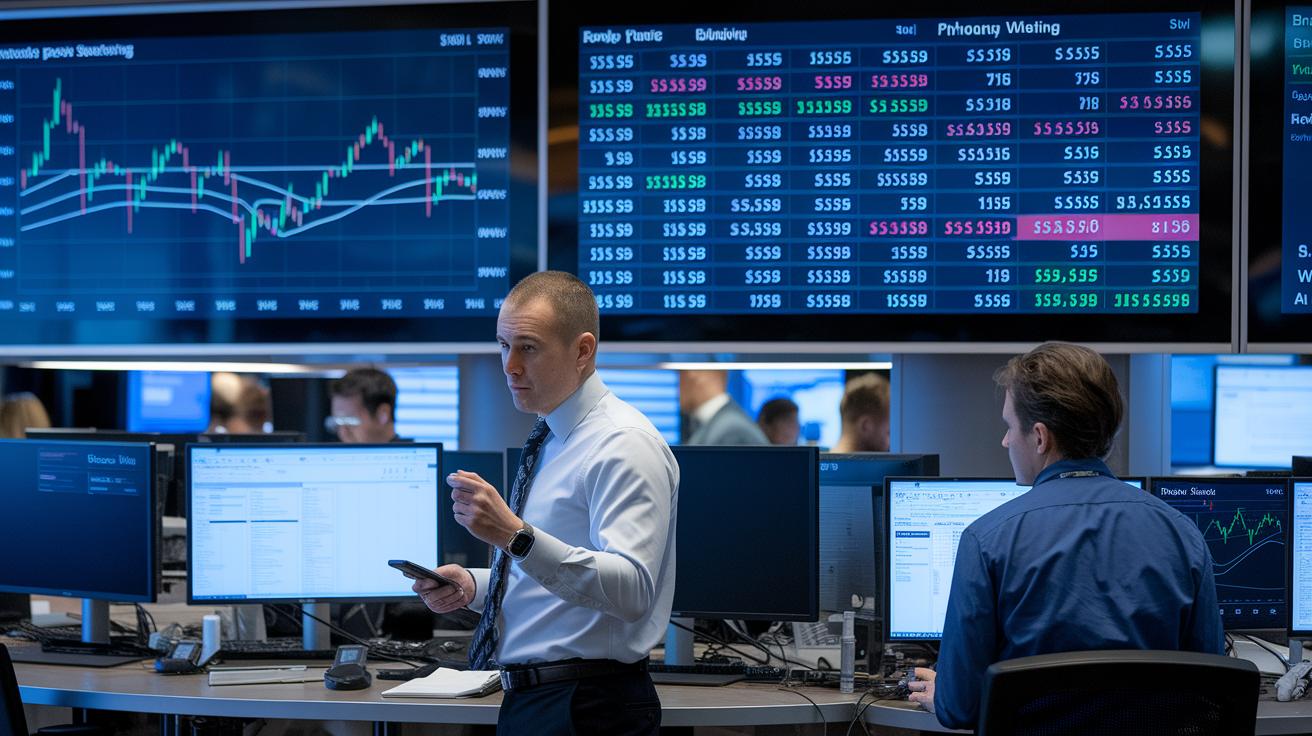
Liquidity providers work by always showing both buy and sell prices. They help narrow the gap between sellers and buyers, making trading smoother. They use fast systems and smart risk controls to keep things balanced even when the market gets choppy.
Quoting and Spread Compression
Liquidity providers keep a near-constant stream of buy and sell quotes. This steady flow helps narrow the price gap, so traders can easily jump in and out of positions. Imagine a sudden market move where the provider updates prices in seconds. It’s like watching a skilled driver make quick turns on a winding road. This constant adjustment reassures everyone that the market prices remain fair.
Algorithmic Trading and Order-Book Management
Smart algorithms track every market move in real time. These systems keep an eye on the amount of trade activity and adjust prices quickly so that the order book stays neat. Picture a situation where market trends change in the blink of an eye, and an algorithm resets prices instantly. This helps orders get filled smoothly, without big jumps in price.
Automated Hedging and Risk Neutralization
To control risk, liquidity providers depend on automated hedging strategies. When a big trade risks pushing their balance too far, their systems instantly take steps to cancel out that risk. Think of it like instantly balancing two sides of a scale. This keeps their overall position even and protects both their earnings and market stability.
Revenue Streams and Fee Structures
Liquidity providers earn money mostly from small fees on every trade. They rely on high trading volumes and tiny profits from each deal to build a steady income. Their fee setup rewards them for maintaining a deep and active market. Meanwhile, prime brokers often add more services like custody and extra leverage, which opens up more ways to earn money.
Technological and Regulatory Considerations for Market Liquidity Providers
Modern liquidity providers are turning to smart digital tools to keep their trades fast and secure. They use advanced CRM systems and digital onboarding to make tough anti-money laundering and know your customer checks easier. Real-time trading systems spot suspicious patterns quickly, think of it as a reliable alarm that sounds off at the first sign of trouble. By automating these processes, they speed up trade execution while reducing mistakes and easing regulatory hurdles, building trust across the market.
At the same time, shifting rules mean providers must adjust quickly to stay compliant. Soon, tighter guidelines may even classify nonbank liquidity providers as key market players after notable incidents. Regulators could also set stricter limits on leverage for nonbanks, prompting banks to modify their traditional models under Basel III changes. These new challenges push providers to rethink their risk strategies and invest more in technology and compliance measures, ensuring smooth operations and reinforcing market confidence.
Market Liquidity Provider Boosts Market Confidence
Goldman Sachs showed off its strong presence when market conditions got rocky. During a stressful dip, the bank injected deep foreign exchange liquidity to calm jittery trading. In one striking moment, they tightened spreads so effectively that even reluctant traders felt reassured. It’s a clear sign of how crucial their role is in keeping the market steady.
Uniswap, a top player in the decentralized finance world, has also been a key force in managing blockchain liquidity pools. Through smart contracts, it smoothed out risks like impermanent loss while ensuring traders always had liquidity at hand. When trading turned wild, Uniswap’s dynamic pricing kept liquidity flowing, proving it can keep decentralized trading alive even during tough times.
Looking ahead, we’re seeing a broader role for nonbank liquidity providers. They’re starting to move into government securities, fixed-income products, and corporate credits. With AI and automation pushing the envelope, competition between traditional banks and tech-savvy players is heating up. Meanwhile, evolving regulations are likely to keep reshaping the field, making liquidity pools more efficient. All these changes promise a future where market confidence stays high and financial markets run smoother.
Final Words
In the action, market liquidity providers keep markets safe by tightening spreads and ensuring steady pricing. We covered how providers like Tier 1 banks and high-speed firms work, discussed benefits such as improved execution, and noted risks like compliance challenges.
Case studies and tech factors showed how both traditional and DeFi models contribute to stability. The dynamic role of a market liquidity provider underpins progress, leaving us with a positive outlook for smart, efficient trading ahead.
FAQ
Q: What is an example of a market liquidity provider?
A: The market liquidity provider example refers to institutions like Tier 1 banks and high-frequency trading firms that continuously post buy and sell orders, thereby tightening spreads and deepening the market.
Q: What types of firms provide market liquidity?
A: The market liquidity provider list includes Tier 1 banks, non-bank liquidity providers, broker-dealers, and high-speed trading firms, all playing roles in stock, Forex, and derivatives markets.
Q: How do liquidity providers make money?
A: Liquidity providers make money through transaction fees and yield incentive programs while promoting tighter bid-ask spreads, which drive higher trading volumes and improved market efficiency.
Q: What is the difference between a broker and a liquidity provider?
A: The difference between a broker and a liquidity provider is that a broker executes orders on behalf of clients, whereas a liquidity provider actively posts two-sided quotes to ensure deep order books and tighter spreads.
Q: Why might someone choose the best liquidity provider in Forex?
A: The best liquidity provider in Forex offers competitive pricing, tighter spreads, and rapid execution speeds, which enhance trade quality and ensure deep, efficient market liquidity.
Q: What distinguishes the best overall liquidity provider?
A: The best overall liquidity provider combines strong financial backing, advanced technology, reliable execution, and sound compliance measures to deliver competitive spreads and robust market access.