

Have you ever noticed how some trades zip by while others seem to drag on? Liquidity trading helps clear up that mystery. It works like turning your stuff into cash at a fair price, almost as if you're selling a best-selling gadget versus a one-of-a-kind item that waits for the perfect buyer.
By keeping an eye on how orders shift and prices adjust in real time, traders get a clear, down-to-earth picture of market moves. This insight makes it easier to plan smart and safe trades.
Liquidity Trading Sparks Clear Market Insight
Market liquidity is all about turning assets into cash at a fair price. Cash is the most liquid asset, setting a clear standard for comparison. Busy pairs like EUR/USD, GBP/USD, USD/JPY, and USD/CHF trade almost non-stop with tight bid-offer spreads, which keeps risks low. But exotic pairs like the Turkish lira, Mexican peso, or Thai baht can swing more widely because there aren’t as many players in the market. Think of it like selling a unique collectible versus cash, cash changes hands quickly and at full value, while a collectible might take much longer to sell.
Traders often start with average daily volume to gauge liquidity. Yet, the real insight comes from looking closely at how orders flow. Noticing things like order speed and small price tweaks can give you a much clearer picture of just how liquid an asset really is.
This close-up look at liquidity helps traders make smarter decisions. They use these insights to time their entries and exits in the market. Fast order fills in liquid pairs allow for quick moves, making it easier to manage risks and catch favorable price changes. Recognizing true liquidity instead of false signals lets traders fine-tune stop placements and set profit targets wisely, whether they’re trading manually or using automated systems.
Liquidity Trading Strategies and Techniques

Specialized order strategies change the game in liquidity trading. They help you spot tiny shifts and snap up short-lived order flows. It’s like catching a spark of market emotion; every moment counts. For example, if you notice a candle wick breaking past a known high, it might signal that hidden orders are waiting in the wings.
Consider the sweep order technique. It works in three simple steps. First, look for a high in your Optimal Trade Entry zone on a one-hour chart. Next, watch as the price wicks above that high, that’s your cue that hidden orders are lining up. Finally, confirm the setup when the candle closes below the triggering low. Once you have these signals, switch over to a 15-minute chart. Then, jump into your trade, set your stop just above the captured high, and aim for profit targets near clusters of liquidity.
Algorithmic fluidity adds a further edge to this approach. By using rapid execution methods, you can adapt the sweep strategy to 5-minute or even 1-minute charts, which helps you capture short-term moves precisely. Low-latency fills and smart automated tweaks filter out market noise while blending hands-on judgment with systematic entry. Imagine your trading system automatically adjusting stop loss levels in real time based on order flow, ensuring each trade aligns with current liquidity. This mix of human insight and automation lets you take swift, tactical actions in today’s fast-paced markets.
Tools and Indicators for Liquidity Trading
Traders depend on a mix of tools that uncover hidden liquidity and help them judge market depth in real time. For instance, heatmaps use vivid color gradients to point out genuine liquidity, contrasting it with orders that might be misleading in the DOM. Meanwhile, the average daily volume sets the pace of market activity, giving you a basic sense of how busy things are.
Integrated features like open order indicators, spread calculators, and upgraded MT4 platforms polish this view even more. These resources, often paired with VPS connections for unbroken scanning, offer a live glimpse into the flow of orders at precise price levels.
| Tool | Purpose |
|---|---|
| Heatmap | Uses vivid colors to highlight genuine liquidity |
| DOM | Displays resting orders for insights into market depth |
| Average Daily Volume | Sets a baseline for overall market activity |
| Spread Calculator | Tracks real-time differences between bids and offers |
| Open Order Indicator | Reveals active orders to help refine entry and exit points |
Bringing these indicators together gives traders a clear snapshot of market fluidity and hidden order flows. This setup makes it easier to react quickly to shifts in the market, letting you base your trades on live depth insights rather than just raw volume numbers.
Liquidity Trading Across Markets
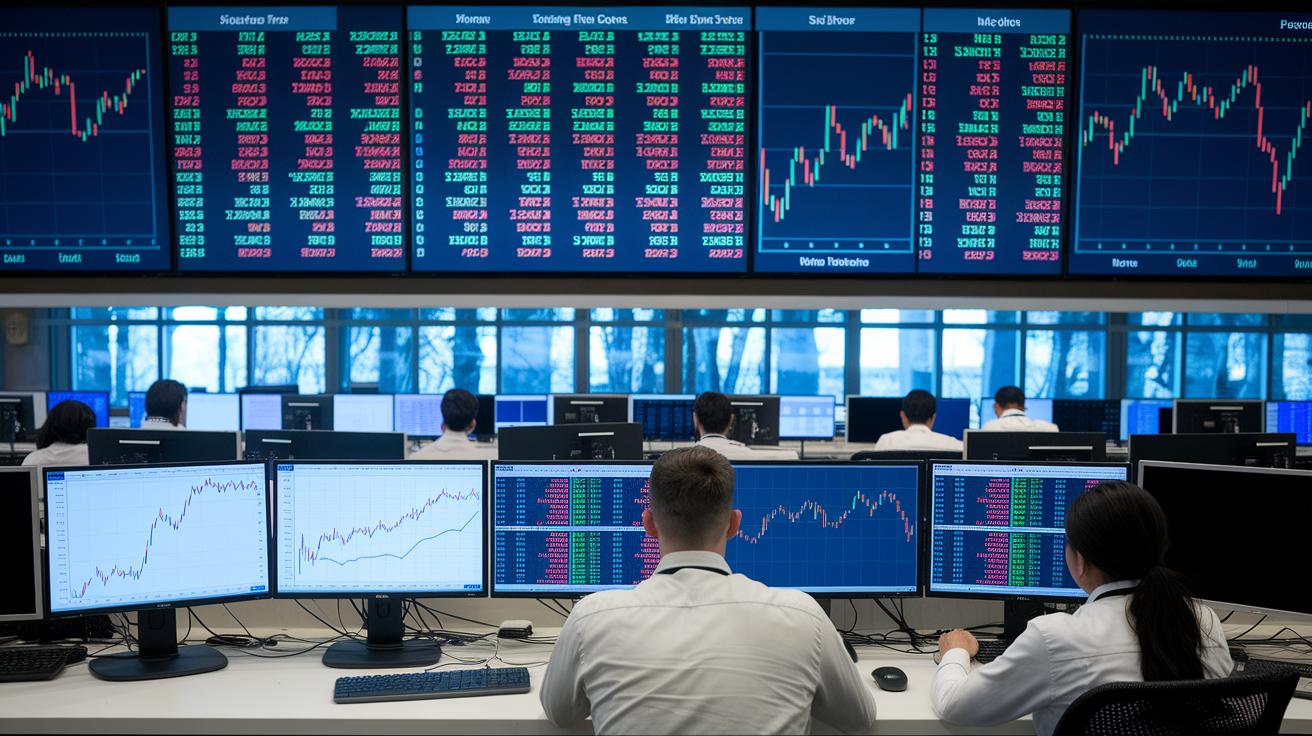
Traders pick a market for liquidity trading by checking a few clear factors: the type of asset, how much trading happens, and how fast orders are executed. They want markets that show steady trading and tight spreads during the day. For example, major forex pairs such as EUR/USD and GBP/USD are popular because they offer strong, reliable liquidity.
Traders also value markets with a clear and honest view of available orders. To do this, they use tools like TradingView, MetaTrader 4, and other mobile or web apps that show real-time charts. These tools help them make smart decisions on when to enter or exit trades.
Major forex pairs like EUR/USD, GBP/USD, USD/JPY, and USD/CHF keep spreads narrow and trading smooth nearly all the time. On the other hand, exotic pairs and smaller cryptocurrency markets tend to have wider spreads and more ups and downs because there is less liquidity. This means traders need to change their strategies depending on the market they are in.
By carefully analyzing market depth and using real-time trading tools, traders can fine-tune their strategies to take advantage of each market’s unique flow and conditions.
Risk Management in Liquidity Trading
Stop-loss orders are a vital tool for keeping liquidity risks in check. They help protect your investments even though, during fast market moves, the order might not fill at the expected price. Fast changes in order flows can spike execution risk, so it’s smart to watch your trades constantly.
Trading costs also play a big part in risk management. Think about fees like margins or financing charges, and even adjustments during special holiday trading hours. These costs can change how much you should invest, so they need to be taken into account. Brokers often offer different account types, from standard to elite, with varying speeds and levels of support. This means you must keep a good eye on order flows and have solid measures to handle unexpected market shifts.
It’s also important to set your stops and profit targets thoughtfully. Place your stops near areas where liquidity is high; these levels show real price sensitivity. By sizing your trades based on spread differences and market depth, you can be better prepared for sudden price swings. This careful planning keeps your trades aligned with market conditions, ensuring that you manage liquidity risk effectively.
Advanced Concepts and Best Practices in Liquidity Trading

Multi-timeframe flow integration combines close-up heatmap details with the broader view from higher-timeframe charts. This mix shows clear volume trends and gaps in supply and demand. For example, one study found that when an algorithm picked up a surge on a 15-minute chart, a similar buildup appeared on the daily chart. It’s like noticing a sudden liquidity spike in a small snapshot that hints at a bigger market move.
Liquidity Sweep Pattern Steps
Start with an interesting fact: many traders miss hidden liquidity clusters because they don’t use dynamic, multi-timeframe analysis. First, pick out a key high in the Optimal Trade Entry zone on a one-hour chart. Then watch for a wick above that high, which signals that hidden orders are being filled. Finally, check for a candle that closes below the low that set off the move. This method now also looks at fresh volume signals and changes in momentum, giving you more than just the basic strategy.
Blending human intuition with smart algorithms can boost your trade execution. New adaptive algorithms use real-time filters and adjust for volatility to quickly catch market shifts. In one instance, an algorithm tuned into sudden liquidity clues allowed for fast market entries. This pairing of personal judgment with automated signals sharpens your timing and helps lower risks.
Final Words
In the action, the article broke down liquidity fundamentals, specialized order tactics, and real-time market tools. It showed how smart asset flow analysis and risk controls work together to create actionable, clear strategies, even when market moves are fast-paced.
Each section helped illuminate the trade-offs and benefits of liquidity trading. With practical examples and expert insights, these techniques can power confident decisions and foster a positive outlook for future market adventures.
FAQ
What is liquidity trading?
The concept of liquidity trading refers to buying and selling assets quickly with minimal price change. It focuses on how fast investments can be converted to cash at fair prices to manage trading risks.
What does high liquidity mean in trading?
High liquidity in trading means that numerous buyers and sellers allow for quick transactions at stable prices. It minimizes slippage and makes entry and exit from positions smoother for traders.
What are the types of liquidity in trading?
The different types of liquidity in trading refer to market liquidity and asset liquidity. Market liquidity describes the ease of trading an asset, while asset liquidity points to how quickly an asset can become cash.
What is liquidity sweep in trading?
The liquidity sweep in trading refers to a process where traders trigger hidden orders above a specific price level. This tactic detects pockets of liquidity to decide profitable trade entries quickly.
What is the 84% rule in trading?
The 84% rule in trading indicates that a significant majority of market orders target liquidity clusters. It helps traders determine the most active levels, enhancing entry timing and potential profit capture.
Is liquidity a good trading strategy?
Liquidity as a trading strategy works well by offering smooth execution and quick reversals. It allows traders to capitalize on rapid price fluctuations and manage risk effectively if combined with sound tactics.
What liquidity trading strategies and resources are available?
Liquidity trading resources include books, full courses, PDFs, and specialized platforms. These materials explain strategies like sweep orders and algorithmic methods to help traders of various skill levels build effective approaches.
How does liquidity trading work for beginners?
For beginners, liquidity trading works by focusing on markets with high trading volume and tight spreads. It provides a smoother learning curve as traders practice executing quick transactions and managing risk in real time.