
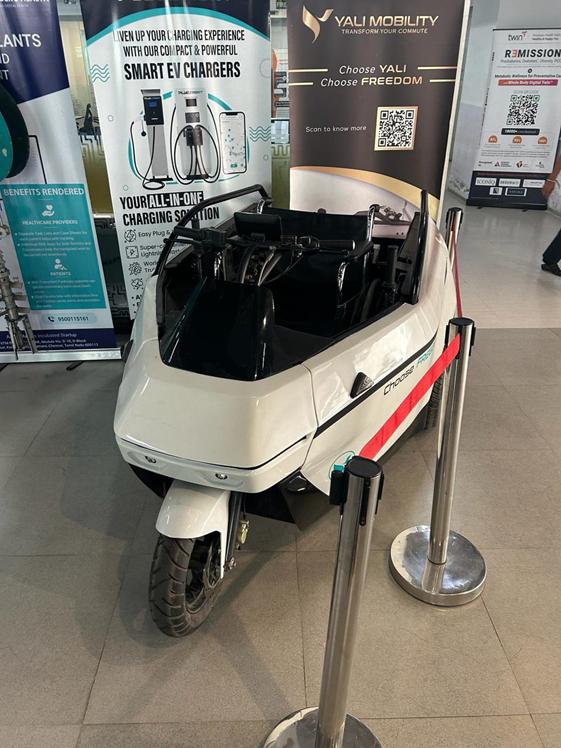
IIT Madras’ incubation engine, IITMIC, is quietly rewriting India’s deep‑tech playbook. From mobility to space tech, startups founded and nurtured here have become household names and high‑growth enterprises. Ather Energy, for example, developed early prototypes — everything from chassis to motor — inside IITMIC’s workshops and is rapidly approaching unicorn valuation in the hundreds of millions. Agnikul Cosmos is another notable graduate pushing space‑launch technology. Even companies like Uniphore, though not incubated at IIT, show how the broader ecosystem is fertile for unicorn creation. With hands‑on labs, faculty mentorship and investor connections, IITMIC turns academic IP into commercially scalable products.
IITMIC: A Launchpad for India's Deep-Tech Startups
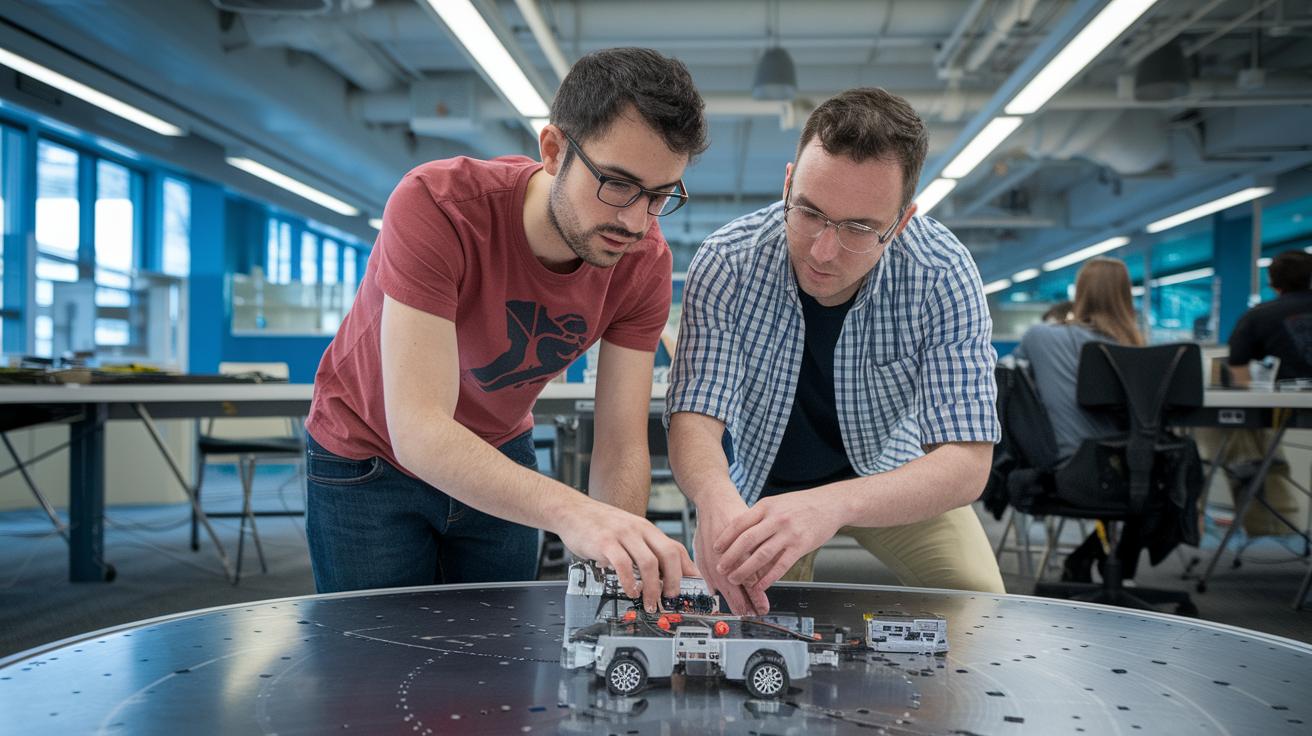
IIT Madras’ incubation engine, IITMIC, is quietly rewriting India’s deep‑tech playbook. From mobility to space tech, startups founded and nurtured here have become household names and high‑growth enterprises. Ather Energy, for example, developed early prototypes , everything from chassis to motor , inside IITMIC’s workshops and is rapidly approaching unicorn valuation in the hundreds of millions. Agnikul Cosmos is another notable graduate pushing space‑launch technology. Even companies like Uniphore, though not incubated at IIT, show how the broader ecosystem is fertile for unicorn creation. With hands‑on labs, faculty mentorship and investor connections, IITMIC turns academic IP into commercially scalable products.
Funding and Patents: MediBuddy, Neo Motion and Big Numbers

MediBuddy is one of IITMIC’s headline successes in healthtech: it has raised about $200 million and sits close to a $500 million valuation. Across sectors, incubated companies have collectively pulled in an estimated Rs 9,500 crore of funding and filed roughly 1,300 patents , a remarkable output for a single institutional ecosystem. Visibility matters too: Neo Motion, a hardware outfit that recently pitched on Shark Tank, showcased the kind of product–market storytelling IITMIC startups pursue. Those wins show that IITMIC doesn’t just create prototypes; it shapes investor narratives, builds IP portfolios and helps founders navigate funding and media exposure.
Fun Facts: Survival Rates, Patents and Equity Returns

Some metrics read like a startup survival manual: IITMIC’s reported startup survival rate is about 80 percent, versus a typical 4–6 percent outside structured incubation. They targeted finishing 2024 with roughly 366 patents and launching 100 startups , a blend of IP focus and rapid scaling. The incubator routinely takes small equity stakes, often around 1 percent, across many companies; those holdings reportedly generate Rs 50–60 crore in recurring returns. The lesson is clear: thoughtful institutional equity plus active mentorship can create sustainable revenue for the incubator while aligning incentives to help startups succeed.
The 10x Plan: Scaling Incubation to 1,000 Startups a Year
The 10x vision to 2030 is audacious and operational. IITMIC plans to ramp annual intake from about 45 incubatees to 1,000 a year, a twenty‑fold increase aiming to flood the pipeline with deep‑tech ventures. Achieving that will require partnering with 50–100 incubators across tier‑2, tier‑3 and tier‑4 institutes to decentralize capability and mentor talent closer to regional ecosystems. Beyond raw headcount, the strategy emphasizes replicable mentoring programs, standardized incubation processes and investment‑readiness curricula so smaller colleges can scale entrepreneurs. If executed well, IITMIC’s networked approach could reshape India’s R&D commercialization landscape within a decade.
Ambitious Targets: Products, Global Talent and Sector Leadership

IITMIC’s strategic milestones include nurturing about fifty products emerging from Indian R&D, each targeted to surpass ₹1,000 crore in annual revenue , a move that would create industry‑scale champions. Parallel goals focus on talent and national standing: raising Indian technologists into the top 2 percent globally in specific domains, and getting India recognized among the top five countries in five critical technology sectors. These ambitions link bench‑level innovation to macroeconomic impact: fewer, globally competitive products and highly ranked technologists translate into export potential, high‑quality jobs and stronger technology sovereignty for the country.
Inside the Research Park: Labs, Prototyping and Sector Mix
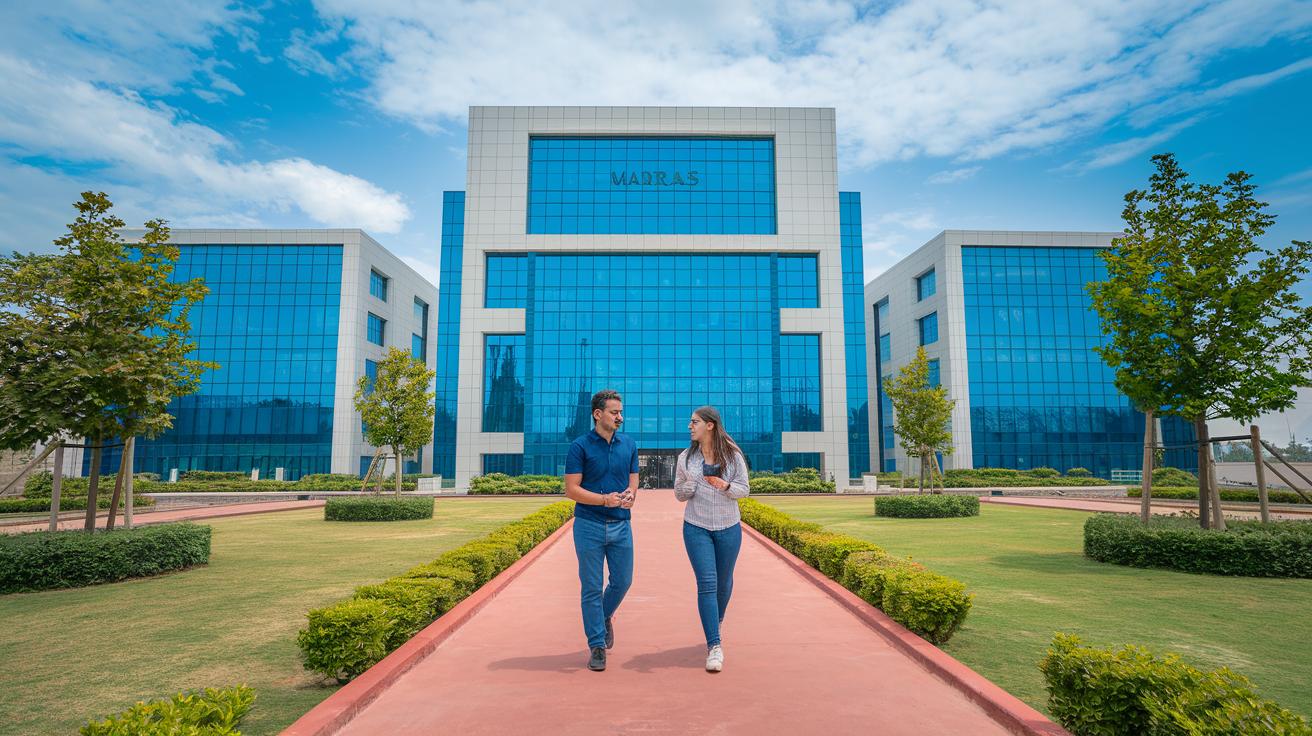
Physical infrastructure is central to IITMIC’s success. The IIT Madras Research Park spreads across roughly 11.5 acres with about 1.2 million square feet of built space, offering plug‑and‑play labs, prototyping bays and corporate R&D suites. The park’s resident startups span manufacturing, robotics, automotive (especially EVs), software (AI, ML, generative tools and product engineering), healthtech, medical devices and energy. That breadth means founders can access specialized equipment, cross‑disciplinary expertise and on‑site talent pools that accelerate product development. For corporates and research teams, the park provides a turnkey environment to co‑develop technology, test integrations and move from lab validation to market trials.
Built to Scale: Investment, Faculty Involvement and Growth Plans

The research park was built at an investment of about Rs 450 crore and currently hosts around 40 companies, with plans to expand to roughly 150 firms over the next five years. That scale‑up will deepen industry collaboration and create denser talent clusters. Of IIT Madras’s roughly 550 faculty members, about 25 percent are involved with the park via research projects, mentoring or joint initiatives; that level of academic engagement is a rare multiplier for startups. Combining capital infrastructure with committed faculty participation accelerates translational research, reduces time to prototype and improves early‑stage company survival and investor confidence.
Conclusion: A Model Worth Replicating

Conclusion: IITMIC stands out as one of the country’s most potent incubator‑investor models, blending hands‑on facilities, faculty mentorship, equity stakes and access to capital. My site visit to IIT Madras Research Park, the CEO’s interview on NDTV, media coverage and Ashok Jhunjhunwala’s address at the TIA event all point to a repeatable playbook: invest in infrastructure, formalize incubation processes and maintain faculty involvement. The result is higher survival rates, meaningful patents and enterprises that attract serious funding. If replicated broadly, this model could transform regional innovation ecosystems and help India build globally competitive, homegrown technology champions.