
Is the global economy ready to catch up in a big way? New data shows that growth is picking up, with forecasts of 3.1% this year and 3.2% next year.
Emerging markets are moving ahead, while advanced economies are taking it slower. This mix of gains and challenges is setting the stage for change.
In the next sections, we'll break down what these numbers mean for investors and policy-makers. Have you ever wondered how a shift like this could change financial strategies? Let’s dive into how global GDP growth is paving a fresh path forward.
Global Economic Output: Current Trends and Figures
The IMF expects global GDP to climb a bit over the next couple of years. This year, growth is predicted to hit 3.1%, and next year it might even reach 3.2%. Advanced economies will see smaller gains, moving from 1.1% this year to 1.4% next, while emerging markets should continue to spark growth with numbers rising from 4.0% to 4.2%. These insights mesh well with recent global market data, helping us see where the economy is headed.
Meanwhile, World Bank data shows a steady shift from past averages. Between 2010 and 2019, the world grew at an average rate of 3.8%. Even though growth slowed down in 2022, forecasts now point to a rebound. Emerging markets are expected to lead this recovery, outpacing their advanced economy counterparts.
| Region | 2010-19 Avg (%) | 2022 Actual (%) | 2023 Forecast (%) | 2024 Forecast (%) |
|---|---|---|---|---|
| World | 3.8 | 3.0 | 3.1 | 3.2 |
| Advanced Economies | 2.5 | 1.2 | 1.1 | 1.4 |
| Emerging Markets | 4.5 | 4.0 | 4.0 | 4.2 |
What does all this mean? The global economy is on a slow recovery path, yet not everyone is bouncing back equally. Emerging markets are clearly driving the momentum, while advanced economies are taking a more measured pace. In a world where different regions show different strengths, the choices made by policy-makers and investors will need to consider these varied recoveries. Isn’t it interesting how these trends could shape future strategies?
Historical Perspectives on Global GDP Growth
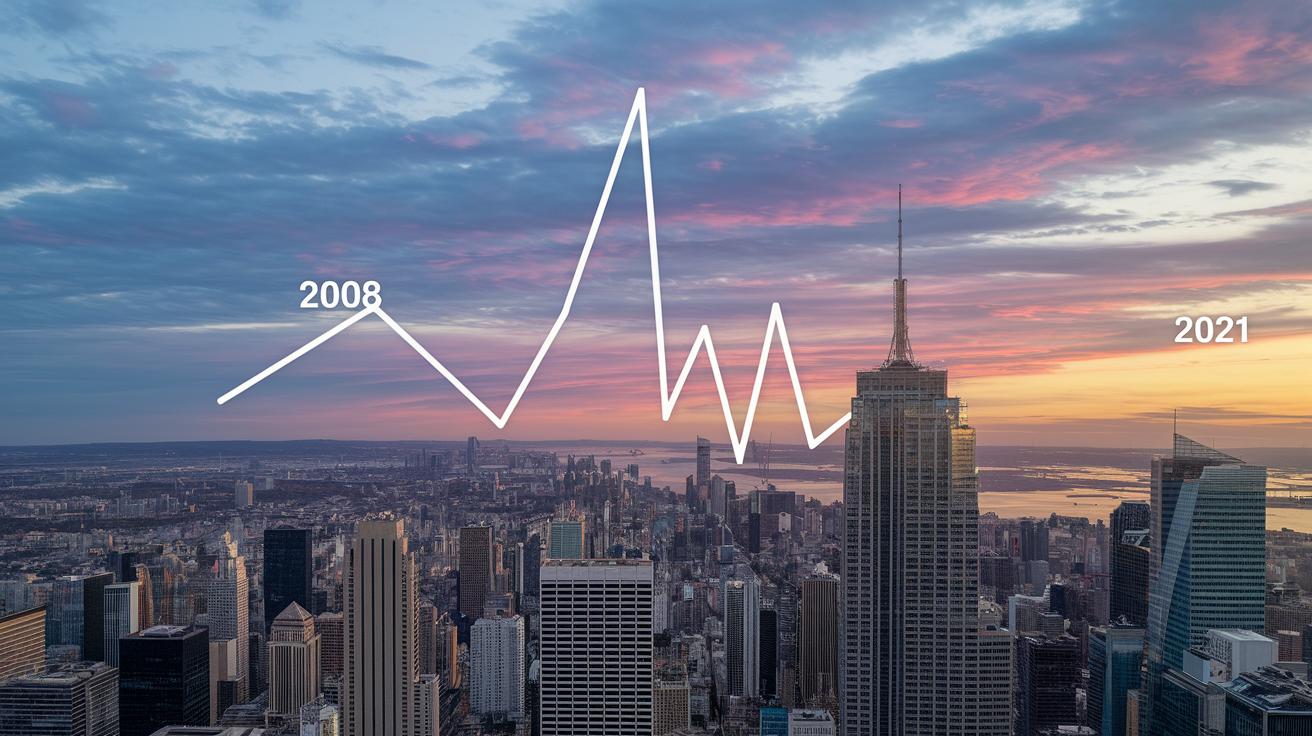
Before 2008, the world economy experienced steady growth with a calm, predictable pace. Many countries saw consistent expansion that made later shocks even more noticeable.
Between 2008 and 2009, global GDP dipped by 0.1%. This marked the first major downturn in recent memory, catching many off guard.
A few years later, during 2011-2012, Europe faced a slowdown. Economic activity in the Eurozone shrank, prompting businesses and governments to tread carefully.
Then came the Covid-19 shock in 2020. Global output fell by 3.1% as widespread closures and disruptions rattled markets everywhere.
By 2021, economies rebounded strongly with a 6.0% jump, spurred by reopening borders and revived demand.
These dramatic shifts pushed policymakers and central banks to rethink their strategies. They focused on building stronger, more resilient economies that could weather future storms. When you look at the period from 1990 to 2019, the average annual growth hovered around 3.0%, showing that even after setbacks, the global economy has a remarkable ability to recover and keep growing.
global gdp growth Surges Ahead
When we look at global economic performance by region, it becomes clear how different forces shape world output. You see distinct growth patterns, with each area having its own challenges and chances. This regional breakdown helps governments and investors plan better, decide where to invest, and spot sectors ready to expand. For example, a simple chart showing these numbers paints a vivid picture of how countries and regions perform differently, reminding us that local factors really matter.
Recent reports from the IMF show some regions are set to outshine others. Asia, for instance, is expected to hit a 5.3% growth rate in 2023, thanks to strong local demand and heavy investment in tech and infrastructure. Latin America might see a 2.1% increase, while Europe lags a bit at 1.2%. North America is projected to grow by about 1.8%. Meanwhile, emerging places like Sub-Saharan Africa and the Middle East & North Africa look set to grow around 3.5% and 3.8% respectively, which tells us these markets still have a lot of potential.
These numbers show that emerging markets are pushing global growth faster than more developed regions. Younger populations, rising productivity, and smart policy changes drive this trend. On the other hand, established economies often grow more slowly because their consumer markets are full and regulations are tighter. A map or chart that compares these outputs can really bring this into focus, explaining why some regions see gdp surges while others grow at a steadier pace.
Forecasted Trends in Global GDP Growth

Forecast models for global economies rely on several key factors. Analysts review commodity prices, trade volumes, capital flows, and energy costs to sketch a clear picture of market dynamics. Big institutions like the IMF combine these details into models that reflect real-world complexities. This method helps both policymakers and investors by grounding forecasts in solid, measurable data.
Looking ahead, experts expect global GDP to grow by 3.2% in 2024, easing slightly to 3.0% in 2025. These estimates factor in the strength of market fundamentals alongside a slow easing of external pressures. While the recovery appears steady, even slight shifts in key figures can impact growth. That’s why analysts advise businesses to adjust portfolios and strategies to keep pace with these changes.
There are still risks to keep in mind. Ongoing inflation might reduce purchasing power, and tighter monetary policies could limit access to credit. Moreover, geopolitical tensions have the potential to disrupt trade and unsettle markets. These risks highlight how sensitive GDP forecasts are to sudden shifts in economic conditions, making ongoing monitoring and flexibility essential for both policymakers and investors.
global gdp growth Surges Ahead
Macroeconomic Drivers
Global output gets a big boost from everyday spending, business investments, trade, and government projects. Households provide about 55% of GDP through their purchases, businesses add roughly 25% by putting money back into operations, trade contributes nearly 30%, and government spending makes up close to 20%. Think of it like your neighborhood market: everyday transactions keep the local economy humming.
Digital tools and automation also play a vital role in lifting productivity. Companies adopt smart technologies to make production faster and cut costs. This kind of efficiency helps businesses adapt quickly when consumer habits shift, much like adjusting a recipe on the fly.
Structural and Policy Inhibitors
On the flip side, global inflation, averaging around 6.7%, creates pressure on everyone from consumers to companies. Rising prices shrink the money you have to spend, much like dealing with a lean budget limits your choices. Complicating matters further, supply chain disruptions and high debt levels slow down the flow of goods and investments.
Climate shocks add another layer of challenge as unpredictable weather forces businesses to spend more on adapting to change. And with governments facing tight budgets, there’s less flexibility to maneuver during tough economic times. This mix of factors can make it harder for economies to move smoothly.
Global GDP Growth Impact on Markets and Businesses

Market moves can change quickly when GDP growth surprises us. Research shows a strong connection, around 0.8, between global GDP swings and overall stock performance. Even a small unexpected bump in growth can send ripples across international markets. Think about it like a cool breeze on a warm day that suddenly makes you grab a jacket.
CFOs and board members are quick to shift their plans. They adjust spending and hiring based on the latest GDP forecasts. Companies even update their operational plans and overall strategy when the market's mood changes. Many rely on solid financial models to guide big decisions, often using trusted economic outlooks from sources they know well.
When growth starts to slow, businesses act with caution. They tighten budgets, re-examine how they allocate assets, and shift their focus from rapid expansion to building resilience. It’s a bit like buying an insurance policy just in case things take an unexpected turn.
Final Words
In the action, we explored recent projections from top institutions, compared current numbers with past trends, and examined regional differences that shape market outlooks. Our review highlighted how the cycles of economic challenges and rebounds affect strategy and decision-making. The discussion also unraveled the impact of rising consumption, investment, and trade in driving worldwide progress. As fresh data on global gdp growth emerges, it helps set the stage for smart, data-driven business moves. Stay engaged and let these insights guide your next strategic steps.
FAQ
What do current global GDP projections indicate?
The current global GDP projections indicate growth of 3.1% in 2023 and 3.2% in 2024, with emerging markets showing faster expansion than advanced economies.
How does today’s GDP growth compare with the previous decade?
Today’s figures echo the previous decade’s trends, as the global average during 2010–2019 was around 3.8%, signaling that current growth remains in a similar range with notable regional differences.
What regional variations exist in global GDP growth?
Regional forecasts show Asia growing around 5.3% while Latin America, Europe, and North America trail behind, reflecting diverse economic dynamics across areas and the influence of local market conditions.
What are the key drivers and inhibitors of global economic growth?
Key drivers include household consumption, business investment, and trade, while inhibitors involve high inflation, supply-chain challenges, fiscal constraints, and climate-related risks.
How do global GDP trends influence markets and corporate strategies?
Global GDP trends affect market performance, with shifts influencing investment and hiring plans, prompting corporate risk-management adjustments in response to economic surprises.