
Have you ever considered that traders' feelings might sway currency values? In forex, sentiment goes beyond mere numbers, it offers a glimpse into what traders truly think and feel. When more than 60% of market players favor a currency's rise, it sends a clear message that extends past simple charts. In this post, we blend hard data with real-world insights to spark smarter trading decisions. Curious about what really drives the market's heartbeat?
The Role of Sentiment in Forex Market Dynamics
Market sentiment in forex shows how traders feel about a currency. It tells us if many believe a currency will climb or drop. For example, noticing that 65% of traders are betting on a rise gives a clear signal that goes with technical charts and news.
Sentiment adds a human side to trading that raw charts just can't show. It uncovers trends that might be hidden in numbers. Think about how Marie Curie once carried dangerous materials without knowing the risk – a surprising reminder that unseen forces can shape outcomes.
These insights help traders read the market's overall mood. Spotting widespread optimism or pessimism can guide when to step in or out. By mixing sentiment with hard data, traders get a fuller, balanced view of market moves.
Key Sentiment Indicators and Tools for Forex Market Sentiment
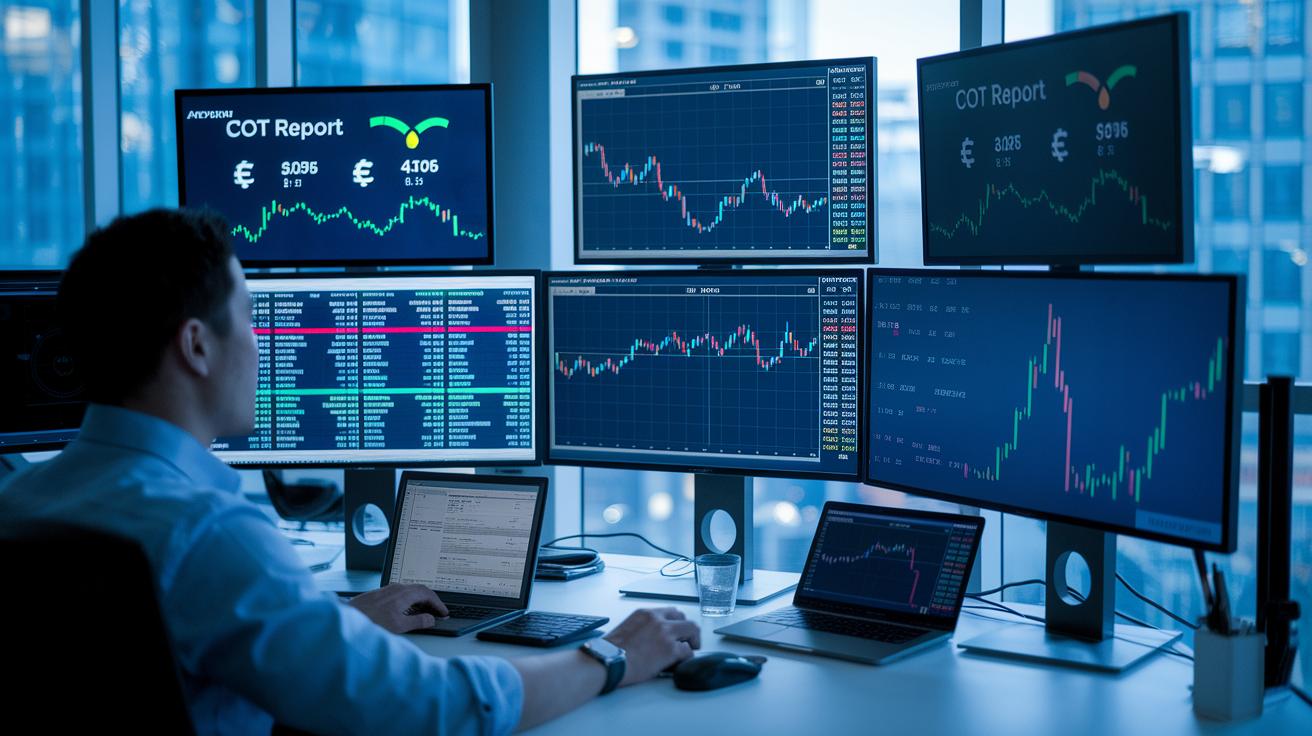
Forex market sentiment is tracked using several technical tools that reveal the mood behind currency moves. One popular tool is the Commitments of Traders (COT) Report; it displays the positions held by big institutions and everyday traders, almost like a mood ring for currencies. For example, if the report shows a strong long bias, it might mean the market is overbought.
Currency strength meters are another handy tool. They compare how key currencies like the US dollar (USD), euro (EUR), British pound (GBP), and Japanese yen (JPY) perform in real time. When one currency reliably outshines the others, it could be a sign that sentiment is shifting. Similarly, retail trader sentiment ratios from broker platforms show the balance between long and short positions, sometimes alerting traders to potential contrarian moves when extremes are reached.
News sentiment analysis platforms add another layer by scanning headlines and stories to capture the overall tone of market news. Their approach is much like checking social chatter before a big event. In addition, tools like the CME FedWatch help by hinting at likely interest rate changes, a key force behind forex trends. Plus, proprietary order book tools, such as OANDA’s position ratio, offer exclusive insights into how trades are piled up.
Traders often use a mix of these resources to get a complete picture:
- Commitments of Traders (COT) Report
- Currency strength meters
- Retail trader sentiment ratios
- News sentiment analysis platforms
- CME FedWatch interest rate probabilities
- Broker order book indicators
For more details, check out the Market Sentiment Indicator at https://smartfinancialtrends.com?p=725.
Data Sources for Forex Market Sentiment Analysis
Forex traders keep an eye on market mood by using a variety of easy-to-understand tools. The CFTC’s Commitments of Traders report shows futures positions and helps distinguish the views of large banks from smaller, everyday traders. Broker platforms like OANDA and IG also give quick snapshots by comparing long and short positions.
Social media plays a big role too. Many traders turn to platforms like X or visit forums like Reddit’s r/Forex to get real-time feedback right after major news events. You might catch a trader saying, “After the latest interest rate decision, discussions on X shifted sharply.” These reactions help paint a clear picture of the current sentiment.
Economic events can spark major shifts in the market. Releases such as Non-Farm Payrolls, interest rate decisions, and inflation reports can quickly change how traders feel about a currency. For example, a strong Non-Farm Payrolls report might boost the U.S. dollar as market participants grow more optimistic.
| Data Source | What It Shows |
|---|---|
| CFTC’s Commitments of Traders report | Futures positions and differences between large and retail traders |
| Broker Platform Ratios (OANDA, IG) | Long vs short positions at a glance |
| Social Media (X, r/Forex) | Real-time trader reactions after key events |
| Economic Releases | Shifts in market outlook following key data points |
Integrating Forex Market Sentiment with Technical Analysis
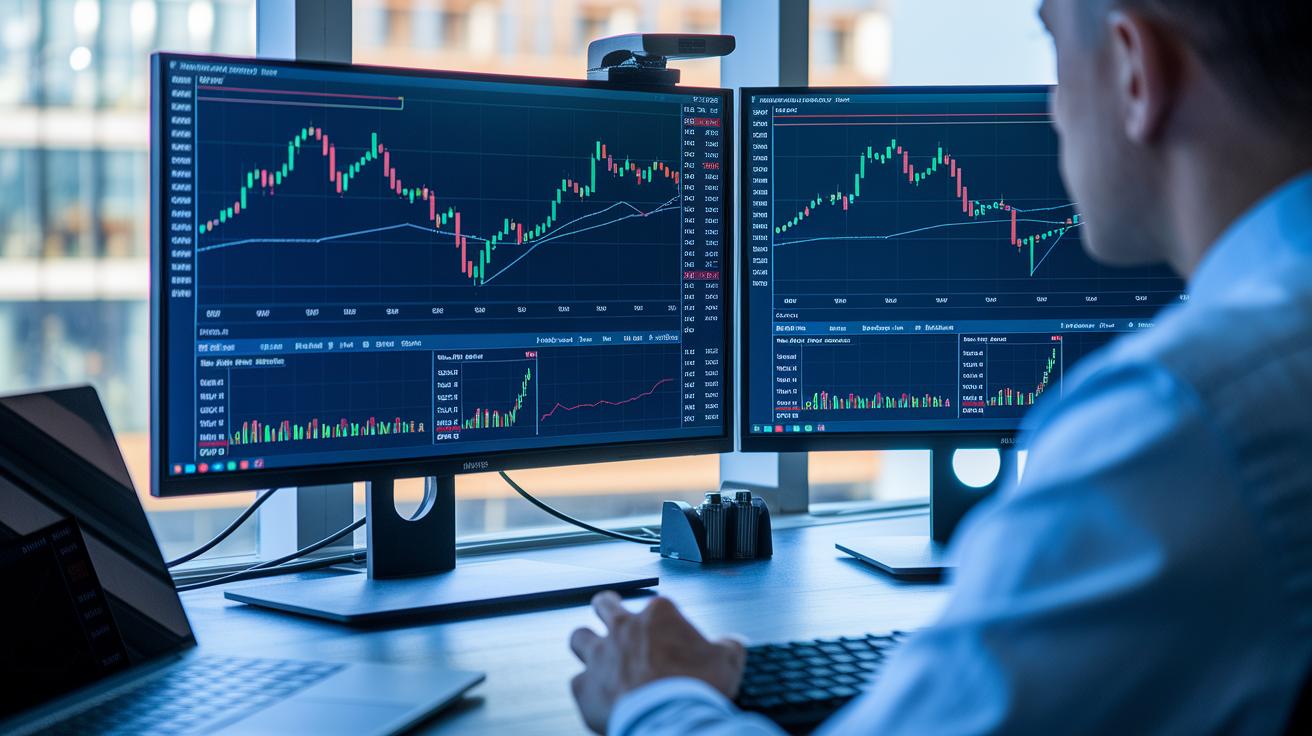
Mixing forex market sentiment with technical analysis makes trading decisions much sharper. It combines hard numbers with the feel of the market, revealing opportunities that a strict chart view might overlook. For example, when prices rise on strong volume and bullish sentiment, it usually shows a solid trend.
When you spot familiar candlestick patterns along with clear changes in sentiment, the signals become more reliable. A market that gains energy with extra volume and optimism builds confidence, but if sentiment drops while prices rise, it might be time to brace for a pullback.
Sentiment and Price Patterns
Patterns like head and shoulders, double tops, or doji candlesticks serve as visual hints of what the market feels. Think of a head and shoulders pattern forming as the bullish mood fades, it may be a sign that a reversal is on the way.
Sentiment and Volume Indicators
Big spikes in trading volume can back up trade signals. High volume paired with bullish sentiment helps confirm a trend, whereas a price rise on light volume could mean the rally is short-lived.
Sentiment Divergence Signals
Pay close attention when price movements and market sentiment don't match. For instance, if prices reach new highs while bullish sentiment weakens, it might mean the rally is losing steam. By blending these insights, traders can fine-tune when to enter and exit the market, effectively merging technical charts with the market’s mood.
Contrarian Strategies Based on Forex Market Sentiment Extremes
Sometimes, extreme market sentiment offers hidden openings. When nearly everyone is bullish on a currency like EUR/USD, it may indicate an upcoming reversal. Spotting these extremes can help you figure out when the crowd might be mistaken.
Many traders check reports like the Commitments of Traders or retail sentiment data. For instance, if there's a strong leaning toward buying, it might be a good time to think about doing the opposite, betting on a market pullback once that enthusiasm fades. They do this by comparing those reports with price changes and trade volumes to see if a reversal is really on the horizon.
At its core, a contrarian strategy means betting against extreme optimism or pessimism. If everyone’s jumping into a trade, it’s often a sign that a reversal might be coming. Think of it like a crowded party, you might just be the one who knows it’s time to leave!
| Sentiment Indicator | Extreme Threshold | Contrarian Signal | Typical Outcome |
|---|---|---|---|
| Commitments of Traders Report | >85% long/short | Overcrowded positions | Market correction |
| Currency Strength Meters | Significant divergence | Overbought/oversold condition | Price pullback |
| Retail Trader Sentiment | 90% leaning long | Crowded positions | Reversal anticipated |
| News Sentiment Analysis | Extreme optimism/pessimism | Excess sentiment | Trend turnaround |
Advanced Analytics and Forecasting Using Forex Market Sentiment
Forex traders now mix number-based models with real-time sentiment data to build powerful forecasting tools. They use cycle tools like DPO and the Schaff trend cycle to spot repeating mood patterns hidden in the everyday market chatter. Using machine learning, they pull in data from news, social media, and broker feeds, turning it into real-time mood heatmaps that capture even the subtlest shifts in trader sentiment. This blend of data gives a fuller picture than traditional technical charts.
These models lean on past sentiment trends to predict where currency moves might head. For example, when a sudden spike in volatility lines up with a swift change in market mood, it sharpens risk controls. A quick jump in market volatility along with a noticeable sentiment shift signals traders to adjust their positions. Today’s algorithms can cut through typical market fluctuations and highlight these important mood changes.
Traders also gain by comparing multiple data sources. By combining technical indicators, news analysis, and algorithm-driven mood predictions, they can spot emerging trends that price action alone might not reveal. This approach brings a smart precision to trading, easing the way for well-timed market entries or exits.
If you’re curious about a deeper look into these technical frameworks, check out Market Sentiment Analysis. By blending advanced mood analytics with solid quantitative models, traders merge the art and science of forex forecasting. They develop tools that not only gauge the current sentiment but also predict future market moves with growing confidence.
Final Words
In the action, traders explore how emotions drive forex market sentiment. The post traced key indicators, ranging from trader ratios to news sentiment analysis, and illustrated how technical analysis gains depth when combined with mood readings. It also showed that contrarian strategies can turn extreme sentiment into opportunity, while advanced analytics add a predictive edge. Each element builds a clearer picture of market dynamics, offering actionable insights to strengthen decision-making. Steady focus on forex market sentiment helps shape smart, informed strategies that empower every business move.
FAQ
Q: What is forex market sentiment today?
A: Forex market sentiment today shows the overall mood among traders, reflecting long versus short positions. This snapshot helps traders gauge bullish or bearish bias in real-time.
Q: What does forex sentiment XAUUSD indicate?
A: Forex sentiment XAUUSD indicates traders’ expectations for the gold versus the US dollar movement. It reflects collective views and potential shifts in the precious metals market.
Q: How is forex sentiment tracked live?
A: Forex sentiment live is tracked through real-time reports, broker position ratios, and news sentiment platforms. These tools offer immediate insights into trader moods, which can influence currency moves.
Q: What is the best forex sentiment indicator?
A: The best forex sentiment indicator combines data from reports, ratio analytics, and technical setups. It helps in confirming trends by blending mood analysis with clear price signals.
Q: How do forex market sentiment charts work?
A: Forex market sentiment charts visually represent long versus short ratios using percentages and graphs. They convert trader bias into a format that quickly highlights prevailing market moods.
Q: What does a forex market sentiment strategy involve?
A: A forex market sentiment strategy involves integrating sentiment data with technical analysis. It guides trade decisions by confirming trends and signaling potential reversals based on crowd behavior.
Q: Where can free forex market sentiment data be accessed?
A: Free forex market sentiment data is available on various broker platforms and financial websites. These sources offer real-time charts and ratios, making it easier for traders to assess market mood without cost.
Q: What features does a forex sentiment app offer?
A: A forex sentiment app provides real-time mood readings, position ratio updates, and sentiment charts. It offers convenient access to trader bias data, helping users make informed on-the-go trading decisions.