
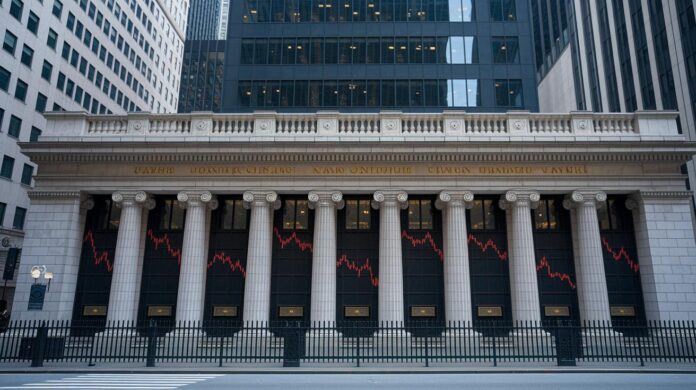
Five bank failures in less than a month: Silvergate, Silicon Valley Bank, Signature Bank, First Republic and Credit Suisse — and now Deutsche Bank is wobbling. What looks like a cascading series of collapses has rattled markets, regulators and depositors. Each failure had different causes — crypto contagion, concentrated startup deposits, uninsured depositor runs, interest-rate-driven bond losses, and deep-rooted management problems — but together they exposed vulnerabilities in liquidity, concentration risk and confidence. Policymakers rushed in with guarantees, backstops and emergency meetings. Social feeds shrug with 'probably nothing,' yet the scale and speed deserve a clearer look.
Five Bank Failures in Less Than a Month , Quick Overview

A rapid recap: in early 2023 a cluster of banks , Silvergate, Silicon Valley Bank, Signature Bank, First Republic and Credit Suisse , either failed, were seized or were dramatically restructured in a matter of weeks. Each case differed: crypto exposure, concentrated depositor bases, unrealized losses on long-term bond holdings and management lapses, but they coalesced into a confidence shock. Markets panicked, depositors hurried to pull funds, and regulators scrambled to contain contagion with emergency liquidity lines, deposit guarantees and forced mergers. The big takeaway is that trust, not just capital ratios, can bring a bank down.
Silvergate: Crypto Exposure and a Rapid Fall

Silvergate was a niche bank built to serve crypto exchanges, miners and trading firms. Its payments network made it central to the industry’s dollar plumbing. When crypto prices and confidence plunged, large institutional and exchange deposits evaporated fast. That sudden flight, combined with thin margins and market turmoil, left Silvergate unable to cover liabilities and forced an expedited wind-down. The episode highlighted how a bank tightly tied to one volatile sector can become a systemic symptom and raised questions about how traditional banking supervision handles digital-asset players.
Silicon Valley Bank: Startup Hub Meets Liquidity Crisis

Silicon Valley Bank, long the financial hub for startups and venture capital, collapsed after a classic liquidity mismatch. SVB invested heavily in long-duration securities at low rates; when interest rates rose, those bond holdings lost value on paper. Its depositor base , concentrated, often uninsured startup accounts , needed cash at the same time. Attempts to shore up capital spooked the market and triggered a rapid run, and regulators moved in to seize the bank. SVB’s failure exposed the dangers of concentration, interest-rate risk and how fast runs can happen in today’s digital era.
Signature Bank: Regional Lender Caught in the Crypto Storm
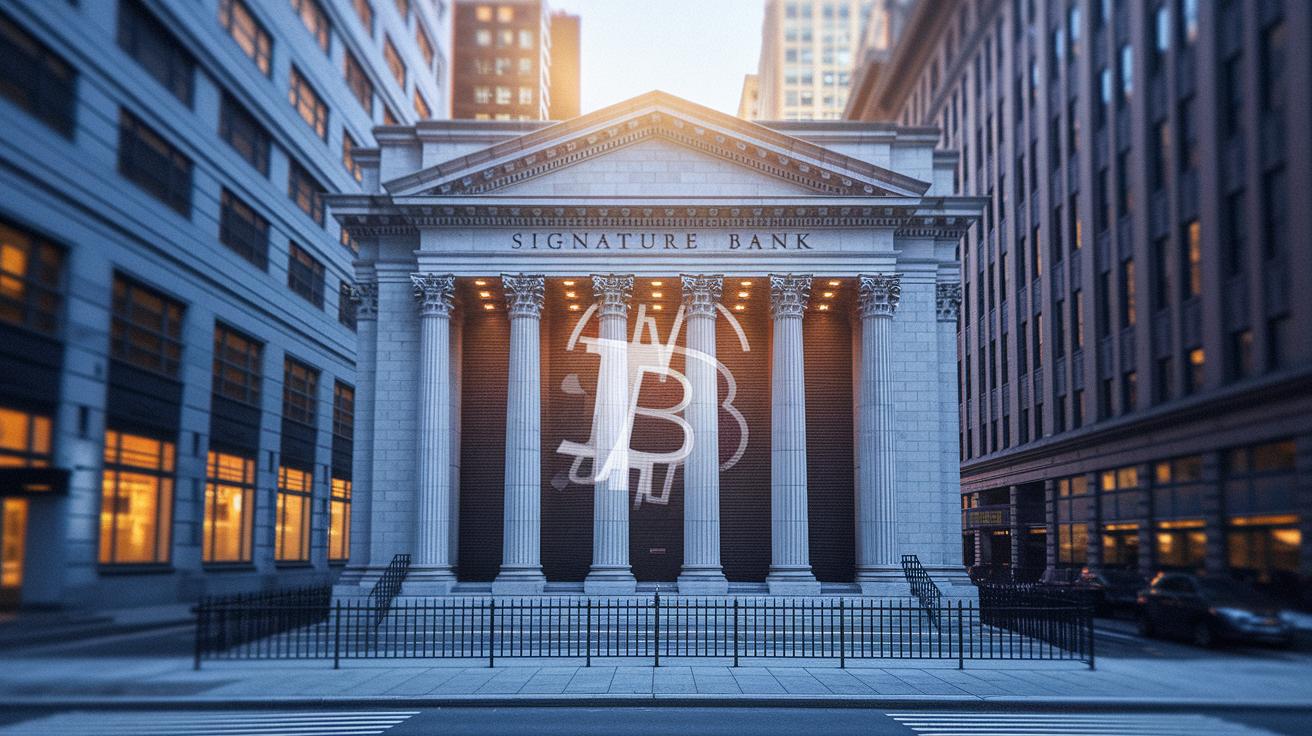
Signature Bank, a midsize New York lender, was shuttered after depositors, particularly from crypto and high-net-worth clients, accelerated withdrawals following SVB’s collapse. Regulators cited impaired liquidity and risky client concentrations and acted to close the institution to limit wider panic. Signature’s ties to digital-asset firms made it especially vulnerable to sector-wide shocks, turning it into collateral damage in a broader loss of confidence. Its failure prompted fresh debate about oversight for banks with niche exposures and whether existing rules adequately address concentrated or non-traditional risk profiles.
First Republic: Wealthy Clients, Fast Withdrawals

First Republic, known for relationship banking with wealthy customers and startups, buckled under sustained deposit outflows. Like SVB, it held long-duration securities that fell in value as rates climbed, and it depended heavily on large, often uninsured deposits that can leave quickly. Despite attempts by bigger banks and regulators to provide emergency backing, continued withdrawals eroded confidence. Regulators ultimately intervened and arranged a takeover to stabilize the situation. First Republic’s story underlined how even well-regarded lenders can suffer rapid failure when liquidity and trust vanish.
Credit Suisse: From Global Player to Emergency Takeover

Credit Suisse’s troubles were years in the making: management missteps, scandals, and repeated losses weakened its position. When market sentiment turned, client confidence waned, bond spreads widened and deposits slipped. Swiss authorities, concerned about contagion in the global financial system and the reputation of Switzerland’s banking center, engineered an emergency takeover by UBS to avoid disorderly collapse. That high-stakes rescue included state-backed guarantees and complex legal steps. Credit Suisse’s fall served as a stark reminder that even big, established banks can be felled when trust erodes and exposures are interconnected.
Deutsche Bank Wobble: Should Markets Worry?

A wobble at Deutsche Bank matters because it’s one of Europe’s largest and most interconnected banks. Rumors or funding stresses can widen borrowing costs, strain derivatives markets and spill into sovereign or counterparty stress. That said, Deutsche’s capital and funding profile has been strengthened since the global financial crisis, and European regulators monitor systemic banks closely with tools like emergency liquidity provision or coordinated interventions. Still, investor psychology drives contagion: if confidence falters across borders, small shocks can magnify. So while some will shrug it off as 'probably nothing,' markets should watch liquidity indicators, CDS pricing and any central-bank moves closely.