

Ever wonder why some assets turn into cash so quickly while others seem to lag behind? It’s kind of like waiting in a busy checkout line, when every step flows perfectly, investors end up on top.
In this piece, we’re chatting about three key factors that shape market liquidity. We start with the mix of players in the market, then move on to the smoothness of trade completions. Each part helps keep transactions quick and price changes steady.
Stick with me as we break down how these factors come together to create a market that’s both balanced and efficient.
Foundations of Market Liquidity and Its Determinants
Market liquidity is all about how fast you can change an asset into cash without big swings in its price. In simple terms, picture trading shares of a well-known company like Apple, the deal happens quickly, and the price barely moves.
High trading activity makes this possible. When lots of people are buying and selling, there’s a small gap between what buyers pay and what sellers ask. Think of stocks like Microsoft or even forex trading; those narrow gaps keep prices steady and trades smooth.
A deep market boosts liquidity by having many orders at various price points. When both buyers and sellers are lined up at different levels, even large trades hardly shake up the price. It’s a bit like having an account where you can withdraw money anytime without any delay.
Several key factors help shape liquidity. They include the number of market participants, how easy it is to complete transactions, and the strength of the order structure. In other words, when you look at how quickly assets can turn into cash, you’re really checking how well these parts work together to keep the market humming.
Market Depth, Order Book, and Price Impact
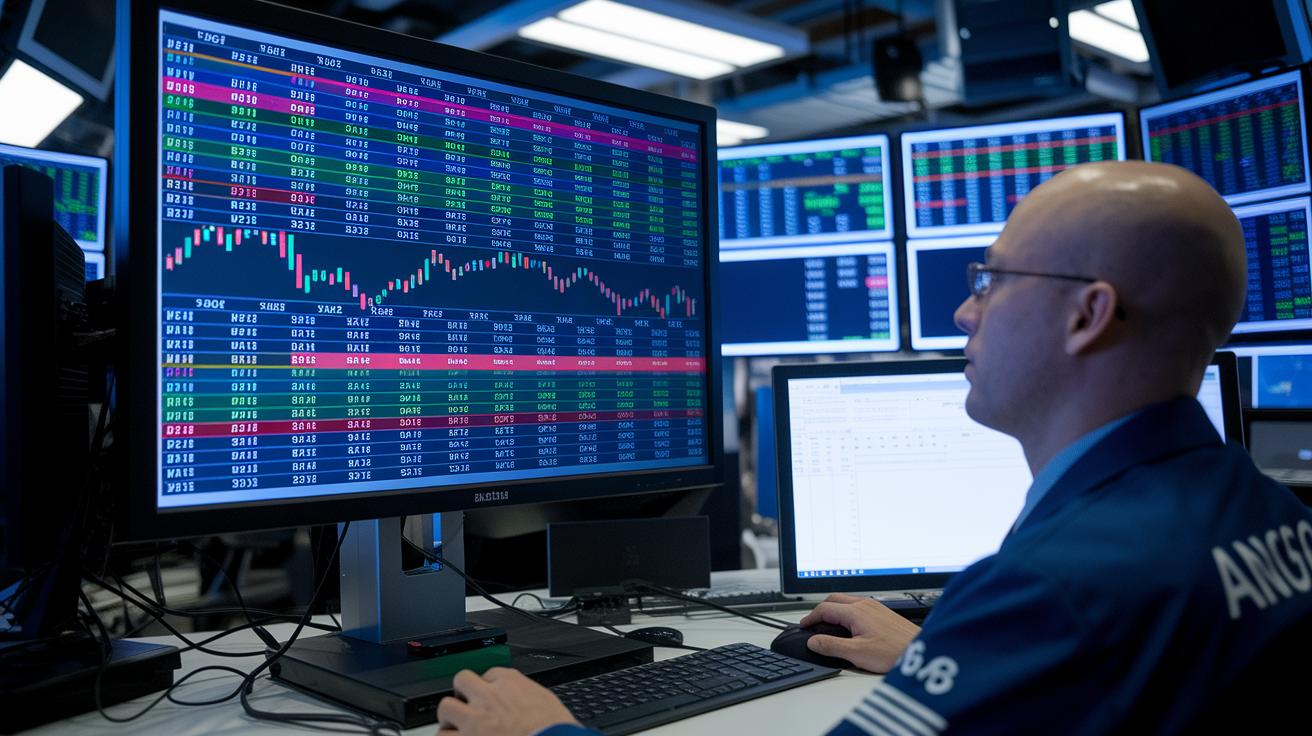
When markets have lots of orders at different price levels, even a large trade rarely causes wild price swings. For example, a big sell order can be absorbed with ease if the market has plenty of depth. However, in thinner markets, even a moderate order might push prices sharply.
Market depth gives you a clear look at all the orders lined up at various price points. This snapshot helps traders gauge how tough the market is and plan their moves. With real-time order flow data combined with depth analysis, traders can manage risk and time their trades more effectively.
Understanding the order book can provide early signals of upcoming price changes. Traders use these insights to discover opportunities and choose the right moments to buy or sell. By keeping an eye on the order flow, one can react quickly to shifts in market behavior. Modeling price impact lets traders make smart decisions, even when the market gets volatile.
| Metric | Definition | Impact on Liquidity |
|---|---|---|
| Spread | Difference between best bid and ask | Narrower spread improves liquidity |
| Depth | Volume available at each price level | Greater depth lowers price impact |
| Resilience | Speed of price recovery after a large trade | Higher resilience stabilizes market |
Trading Volume and Bid-Ask Spreads Effects on Liquidity
Trading volume is key to keeping markets fluid. When volumes are high, assets exchange hands fast and prices stay steady. Think of a large-cap stock where trades fly by, barely nudging the price. In fact, a large-cap stock often has a bid-ask spread of just 0.1%, making it a breeze for traders to jump in or exit.
Small-cap stocks, however, might see spreads around 1.5% to 2%. These higher spreads can pile on costs from brokerage fees and other expenses. When costs add up, investors might slow down or skip trading entirely, which can affect overall market activity and liquidity.
Multiple factors shape trading volume. They include:
| Key Factor | Example Impact |
|---|---|
| Asset Class Specification | Certain asset types attract more trades. |
| Number and Diversity of Participants | More participants make the market busier. |
| Time-of-Day Trading Patterns | Active hours boost volume. |
| Market Volatility Levels | Higher volatility can widen spreads. |
| Regulatory Environment | Supportive rules help keep trading lively. |
Each of these factors changes the number of transactions and the market's competitiveness. For instance, when market volatility spikes, traders might widen their bids and asks to protect themselves. On the flip side, a friendly regulatory setup tends to boost trading activity. Understanding these details can help you see how changes in trading volume and costs directly shape market liquidity.
Roles of Market Participants and Investor Behavior in Liquidity

Big players and everyday traders keep the market active. Institutional investors can move huge amounts of money that change market trends quickly, while retail traders add the steady flow of orders that keeps things humming. And market makers? They're the folks who provide both buy and sell quotes all the time, even when trading quiets down, which helps keep trading costs low and prices steady.
Investor moods also play a big role in how liquid a market feels. When traders are optimistic, they're more likely to jump in and take on risks, which boosts trading activity and tightens price spreads. But when uncertainty rises and optimism fades, many hold back, and liquidity can drop suddenly. Market sentiment analysis tracks this shift, offering a clear picture of how feelings spread among traders.
High trading volumes give market makers the chance to squeeze spreads even tighter, creating a more stable trading environment. When orders pour in, the coordinated actions of institutional investors and market makers help keep price swings in check. In contrast, in quieter times, the absence of diverse players can widen the gap between buy and sell prices, causing a single large order to impact overall market stability.
3 factors affecting market liquidity: Stellar Insights
Market liquidity is shaped by three key drivers: government rules, central bank moves, and interest rate changes. When governments set clear rules, trading often picks up. For example, Europe’s MiFID II made markets more open and led to higher stock trades, while the Dodd-Frank Act in the U.S. saw some trading drop by up to 20%. Plain rules that balance risk and reward can make trading easier and help narrow the gap between buying and selling prices.
Central banks also play a big role in liquidity. Their actions, like lowering interest rates or buying assets, send a clear signal to traders. When rates go down, it boosts confidence, and trading tends to increase. One time, a rate cut quickly stirred up market activity, leading to smoother trading flows. For more on how these moves work, check out the details on monetary policy transmission mechanisms.
Interest rate fluctuations form the third piece of the puzzle. When rates rise, traders might pause, waiting for a firmer signal before jumping in. This pause can widen the gap between bid and ask prices and slow down normal trading. In simple terms, higher rates can make traders more cautious, leading to fewer and less steady trades.
All these factors, clear rules, proactive central bank moves, and interest rate changes, interact in a lively market dance. It’s a complex mix that can shape both day-to-day trading and longer swings in market liquidity.
Technology, Platforms, and Structural Innovations in Liquidity Provision
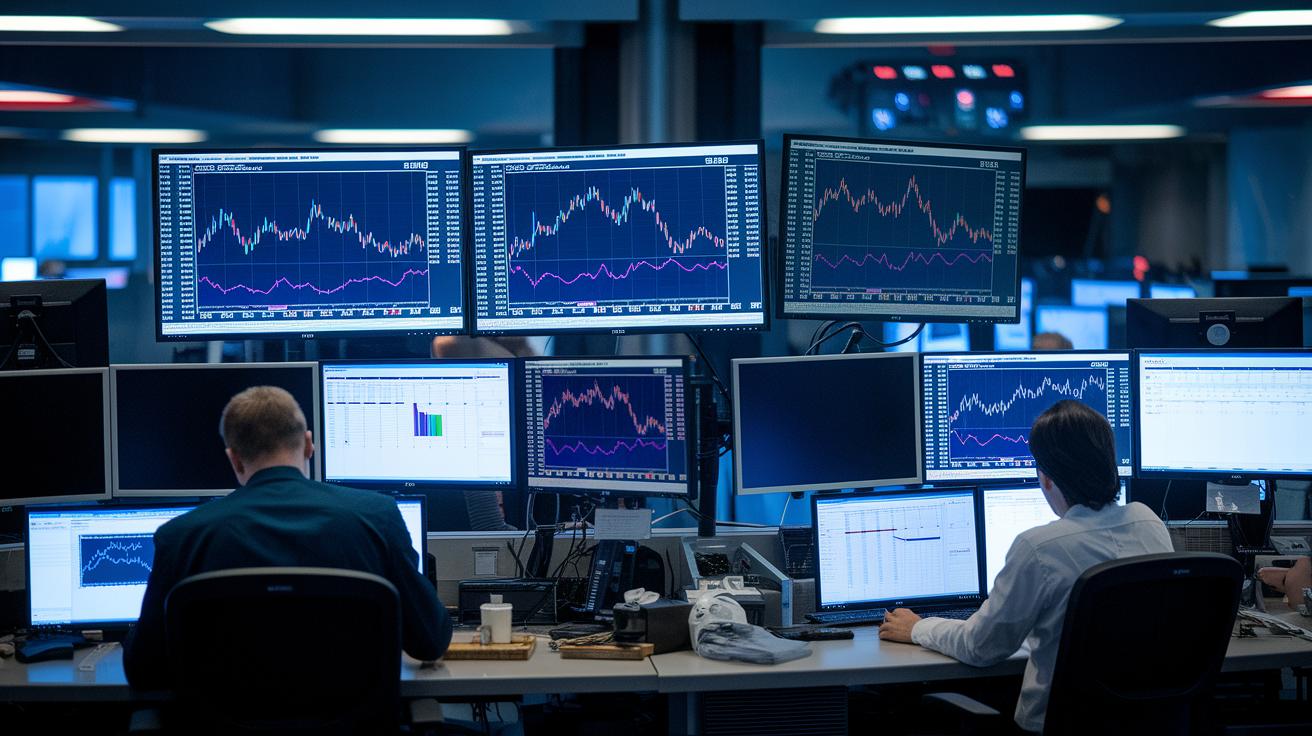
Modern trading systems have completely changed how assets are traded. With algorithmic trading, orders run themselves at breakneck speed, executing in milliseconds. It’s like a smart engine spotting the best price every time, reducing errors and keeping the market fluid.
High-frequency trading works in a similar way. These systems quickly submit and cancel orders to shrink the gap between buying and selling prices. This fast-paced order flow builds market trust and supports price stability, especially during busy trading sessions. In other words, when you observe tighter bid-ask spreads, that’s technology doing its job.
Emerging platforms, like those built on blockchain, settle trades almost instantly. This quick process minimizes delays, boosting post-trade liquidity and overall market efficiency. Plus, automated market-making systems constantly provide buy and sell quotes, ensuring smooth trading even when activity slows down.
These technological tools not only give a speed boost to transactions but also cut down the risks of manual processing errors. They have become central drivers in modern market evolution by streamlining operations and fostering confidence among diverse market players.
Key technological advancements enhancing liquidity include:
| Advancement | Description |
|---|---|
| Algorithmic Trading Engines | Automate trade execution to capture the best prices in milliseconds. |
| High-Frequency Trading Algorithms | Submit and withdraw large order volumes rapidly to narrow bid-ask spreads. |
| Blockchain-Based Settlement Networks | Settle trades near-instantly to enhance post-trade liquidity. |
| Electronic Communication Networks (ECNs) | Facilitate efficient electronic trading by matching buy and sell orders seamlessly. |
Together, these innovations drive more efficient and reliable asset exchanges, making it easier for investors and market participants to navigate complex financial landscapes with confidence.
Effects of Market Volatility and External Shocks on Liquidity
When markets get jumpy, the gap between what buyers will pay and what sellers ask for widens. This makes traders nervous about sudden price changes, so they often hold back on trading. Even small orders can cause big price swings. For example, during the 2008 crisis, some assets lost nearly 40% of their value because liquidity dried up so fast.
Unexpected events, like sudden political changes, add more problems. When these shocks hit, many traders pull back, sometimes even halting trading as uncertainty grows. Key signs include quickly widening spreads and a shallow order book, which warn that future trades could move prices more than usual.
Keeping an eye on these signals is vital during turbulent times. By watching how bid-ask spreads change and how deep the order book is, traders can adjust their strategies quickly to protect themselves when markets are especially volatile or hit by external shocks.
Measuring and Managing Liquidity Risk in Financial Markets
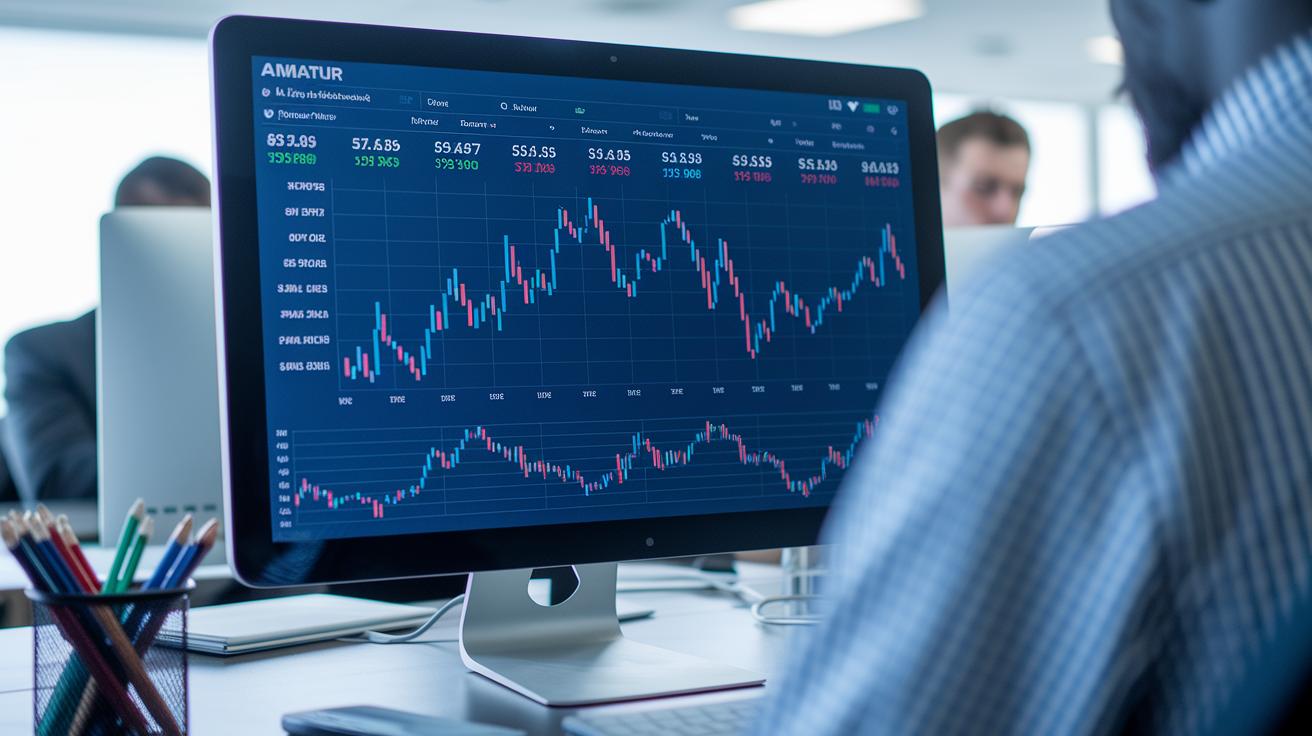
Liquidity risk is tracked using a few key numbers. For instance, the bid-ask spread tells you the immediate cost of buying or selling. Meanwhile, turnover ratios and market depth show how fast an asset can be turned into cash. When these numbers change, it may be a sign that liquidity is becoming a concern.
Businesses also check short-term liquidity with current and quick ratios. These ratios reveal how many easily available assets a firm has on hand to cover short-term bills. By keeping a close eye on these signs, companies can catch small issues before they turn into big problems during stressful market times.
Managing this risk is both about careful planning and quick decisions. Here are some common ways to reduce risk:
- Spreading investments across both liquid and less liquid assets to balance exposure.
- Timing trades at the beginning or end of the day when market activity is high.
- Setting stop-loss orders to help limit losses if prices suddenly drop.
These steps help ensure access to the market even under pressure. In turn, this builds a strong system that blends everyday operations with long-term financial plans. In tough market conditions, this approach makes it easier to keep things running smoothly while cushioning against unexpected shocks.
Empirical Studies and Economic Implications of Liquidity Fluctuations
Recent studies show that even a small drop in liquidity can send shockwaves throughout the economy. For example, a 1% decrease in market liquidity can reduce GDP growth by about 0.5%. It’s similar to a tiny leak that slowly reduces water pressure in a long pipeline.
Since our world is so connected, these liquidity changes rarely stay in one place. Money moving across borders spreads these effects far and wide. Emerging markets, for instance, tend to experience bigger swings compared to more developed ones. This shows how market maturity plays a big role in how different systems handle stress.
Liquidity levels also move in step with the business cycle and central bank policies. When the economy is strong, plenty of liquidity supports steady growth and keeps price differences small. But when banks adjust policies or raise rates, liquidity can falter. Think of it like a policy change that makes bid-ask spreads wider and trading volumes shrink, a clear sign that market stability relies on precise regulation.
These data-driven insights not only reveal these important links but also help guide investors and policymakers. By keeping an eye on economic trends and market behavior, they can spot challenges early and seize new opportunities, ensuring a stronger, more stable financial environment.
Final Words
In the action, we explored market liquidity from its basic features to the intricate interactions of order books, trading volumes, and investor behavior. We analyzed how regulatory frameworks and technological advancements shape liquidity, and how market volatility can test even the most resilient setups.
The insights highlight the factors affecting market liquidity, combining real-world examples and data-backed measures to empower informed choices. By understanding these dynamics, professionals can confidently address market shifts and leverage clear strategies for success.
FAQ
FAQs on Market Liquidity
What factors affect market liquidity?
The factors affecting market liquidity include trading volume, bid-ask spread, market depth, and regulatory changes, all of which influence how easily assets convert to cash without major price shifts.
What are common market liquidity indicators?
The market liquidity indicators include metrics like trading volume, bid-ask spread, order book depth, and resilience. These help assess how fluidly assets can be bought or sold.
What is liquidity in trading?
Liquidity in trading means the ease of converting assets to cash without causing significant price changes, ensuring smooth and efficient transactions in the market.
What is a liquidity zone in trading?
The liquidity zone in trading refers to price levels where high volumes of buy and sell orders cluster, making it easier to execute trades with minimal impact on market prices.
What are the five liquidity ratios?
The five liquidity ratios typically include the current ratio, quick ratio, cash ratio, operating cash flow ratio, and working capital ratio, which gauge a company’s ability to cover short-term obligations.
What are some examples of market liquidity?
Examples of market liquidity are seen in major stocks like Apple or Microsoft and in forex markets, where high trading volumes and narrow spreads allow assets to be converted to cash quickly.
What does a liquidity trading strategy PDF cover?
A liquidity trading strategy PDF explains methods for trading in liquid markets by focusing on quick asset conversion, order book analysis, and minimizing price impact through strategic trading actions.