
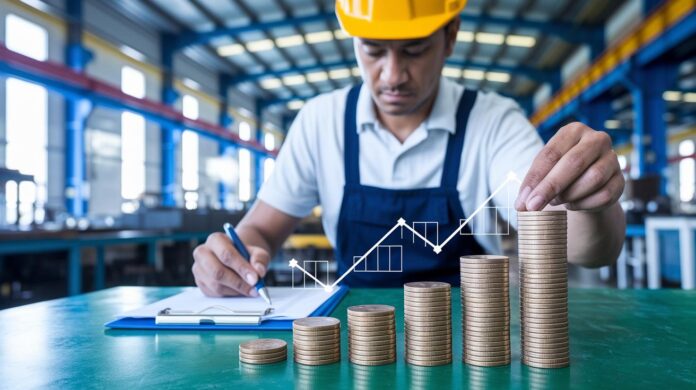
Ever notice how prices keep rising even when the economy feels steady? When factories pay higher wages or spend more on raw materials, those extra costs eventually hit your local store. This effect, called cost push inflation, happens when even a small bump in production expenses raises everyday prices. In our blog, we break down this topic in simple terms, showing how each step can impact the cost you pay at checkout.
Cost-push inflation: definition and core mechanism
Cost-push inflation occurs when businesses face higher production costs and pass these expenses on to consumers. In simple terms, when companies pay more for things like wages, raw materials, or energy, they raise the prices of their products to cover those costs.
Imagine a factory where workers earn higher wages or where the price of oil jumps. The company then raises the price of its goods. This practice, in turn, puts extra pressure on the overall cost structure, eventually affecting everyone who buys these products.
Several factors can trigger this kind of inflation, such as:
- Higher wages that end up in product prices
- Increased costs for raw materials
- Rising energy expenses that impact transport and utilities
- Supply chain delays that add extra fees
- New or tougher regulations boosting manufacturing costs
History shows clear examples of this. In the 1970s, for example, when oil prices soared, transportation and production costs shot up, leading to double-digit inflation. Later examples from 2008 and 2010–11, followed by the energy and logistics cost surges in 2022, all underline how rising production expenses can directly impact consumer prices.
Production cost pressures driving inflationary trends
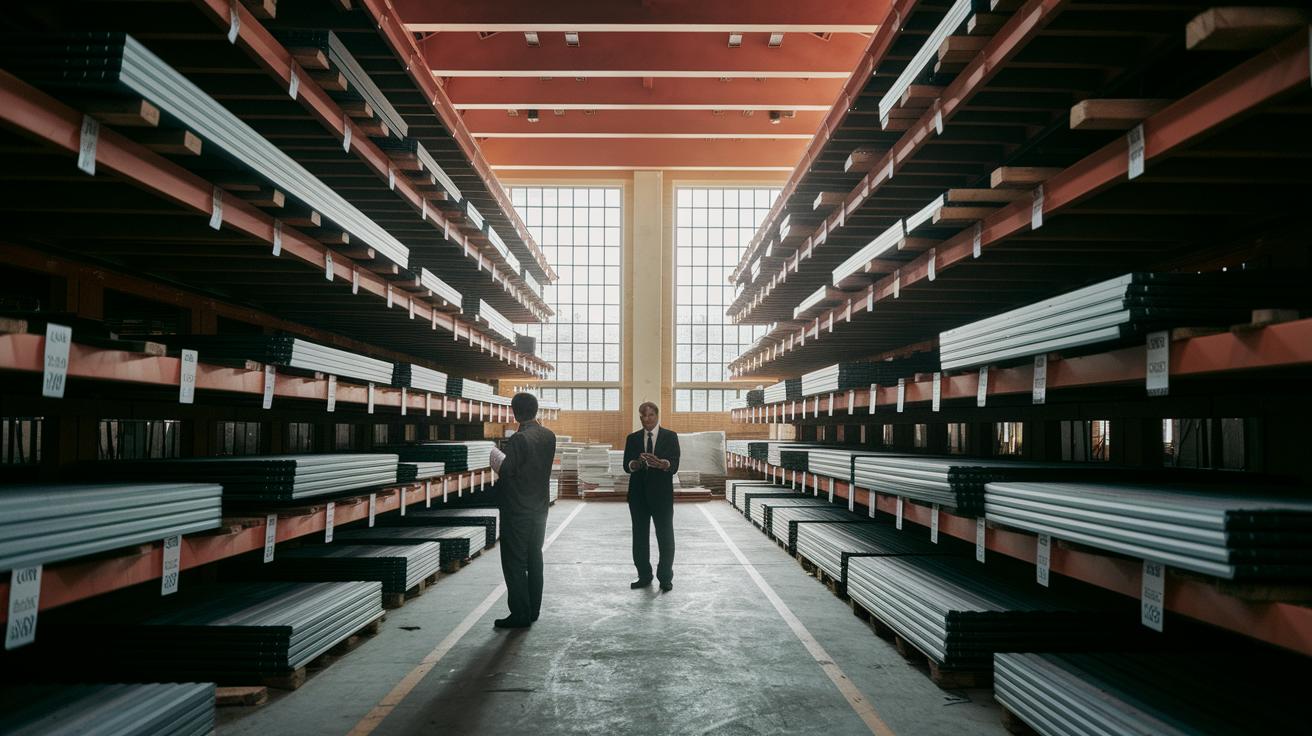
Raw material price jumps and higher energy bills are pushing up production costs across the board. When prices for metals, lumber, and food go up, manufacturers suddenly find themselves paying more to make the same products. In one surprising week, one manufacturer saw raw material costs jump nearly 20%, forcing a quick change in product pricing. It’s a clear sign that these increases can stress producers and create ripple effects that touch the whole market.
Rising labor costs add another piece to the puzzle. When wages are bumped up to help workers meet living expenses, the cost of production naturally rises too. Picture a small plant where new wage standards lead to noticeably higher prices on the shelves. Companies often have no choice but to pass these extra costs along to consumers if they want to keep their businesses running smoothly.
Supply chain hiccups only make the situation tougher. Ports experiencing delays or shortages of shipping containers mean unexpected fees and slower delivery times. Sometimes, manufacturers must choose more expensive shipping routes or pay for additional storage because of these bottlenecks. All these factors, working together, push companies to deal with rising input costs while trying to stay competitive in the market.
Supply shocks and cost-push inflation case studies
In the 1970s oil crisis, OPEC raised oil prices sharply. This sudden jump made production costs go up for many industries. As transportation and manufacturing expenses climbed, companies had to pass the burden on to consumers. You can see here how an external supply shock can lead to long-lasting cost-push inflation, leaving everyday prices higher for a long time. It’s a lesson that still shows up in policy debates today.
During the 2008 global recession, commodity prices for oil, metals, and agricultural goods spiked unexpectedly. This meant raw material costs soared, and manufacturers, from food processors to construction firms, had no choice but to adjust their pricing. The pressure from higher input expenses led to temporary inflation. It’s a clear reminder of how vulnerable production systems are to sudden market shocks and why analysts keep a close eye on commodity trends.
In 2022, we saw energy prices surge again while supply chain issues worsened. Rising fuel and utility costs, along with delays at ports and container shortages, pushed up input costs for many sectors. Businesses found themselves forced to hike product prices under these pressures. This recent example shows that modern economies remain highly sensitive to energy market swings and supply chain hiccups, driving cost-push inflation in a very tangible way.
Cost-push versus demand-pull inflation comparison

Cost-push and demand-pull inflation raise prices in different ways. Cost-push happens when companies face higher costs and pass them on to consumers. Demand-pull shows up when demand is so high that there just aren’t enough goods, so prices climb naturally.
In cost-push inflation, expenses like wages, raw materials, and energy get higher, forcing companies to hike up prices. It’s all about rising production costs that tighten supply. But with demand-pull inflation, strong consumer demand pushes prices higher when supply can’t keep pace. Even though the wage-price spiral can link the two, their origins are distinct. One comes from production costs; the other comes from consumer demand.
Policy makers react differently too. For cost-push inflation, they might introduce measures like input-cost subsidies or work on making supply chains run smoother. For demand-pull inflation, tightening monetary policy is a common choice to help cool down the market.
| Feature | Cost-Push Inflation | Demand-Pull Inflation |
|---|---|---|
| Primary Driver | Higher input/production costs | Excess aggregate demand |
| Supply Impact | Decreased aggregate supply | Supply unchanged, demand outpaces supply |
| Historical Example | 1970s oil crisis | Late 1960s U.S. consumer boom |
| Typical Policy Response | Input-cost subsidies, supply chain fixes | Monetary tightening, demand management |
Economic impact of cost-push inflation on markets and consumers
When costs to produce goods rise, you feel it quickly at the checkout. Everyday items get more expensive, which means families can buy less with the same money. Businesses, too, face a tough choice. They can either absorb the extra cost, shrinking their profits, or pass it on to customers. This back-and-forth often causes prices to jump up and down, just like a seesaw.
On a bigger scale, constant cost hikes can slow down our whole economy. Companies might put off new investments, and spending drops, which can even reduce job opportunities. When supply issues cause more price swings, it can start a cycle where slow growth mixes with high costs, what many call stagflation. In these moments, policymakers may need to adjust fiscal measures to keep things steady and protect long-term economic stability.
Policy and regulatory responses to cost-push inflation

Monetary policy measures
Central banks have a few tricks to help control costs when production expenses rise. They might raise interest rates to slow down the money supply, tweak reserve rules to keep lending in check, or use open market operations to balance liquidity. These steps help slow borrowing and spending so that overall prices don't jump too quickly during cost-push inflation.
Fiscal interventions
Governments also step in with fiscal actions to lessen the burden of high input costs. They can offer direct budget transfers, tax breaks, or subsidies to help businesses cover rising costs for raw materials and energy. These measures work to cushion the impact before higher costs hit the consumer, making production more affordable overall.
Supply chain and regulatory initiatives
Regulation plays a key part too. Efforts like improving logistics, encouraging companies to use different suppliers, and boosting competition all help clear up delays and extra fees. This streamlining stops extra costs from piling on and keeps prices steadier for consumers.
When monetary, fiscal, and regulatory tools work together, they create a balanced approach to stabilize prices even when production costs rise. By fine-tuning interest rates, offering targeted fiscal support, and boosting supply chain efficiency, policymakers can ease inflationary pressures while still supporting solid economic growth.
Final Words
In the action, we explored cost-push inflation, how rising production expenses like higher wages and raw material costs pass through to consumers. We reviewed its core drivers and history, from the 1970s oil crisis to recent energy and supply chain pressure.
This discussion also compared it to demand-pull factors and examined policy responses. Our overview highlights the ongoing impact of cost push inflation on business decisions and market shifts, leaving us with a sense of optimism for smart, coordinated economic responses.
FAQ
Q: What is cost-push inflation?
A: The cost-push inflation definition explains that rising production costs, such as higher wages and raw material prices, force businesses to increase consumer prices, thereby driving overall inflation.
Q: What are the main causes of cost-push inflation?
A: The cost-push inflation causes stem from increased wages, higher raw material prices, energy cost spikes, supply chain delays, and extra regulatory costs that elevate production expenses and push prices upward.
Q: Can you provide a real world example of cost-push inflation?
A: The cost-push inflation example from the 1970s oil crisis shows how rising oil prices increased transportation and manufacturing expenses, resulting in widespread price increases across many sectors.
Q: What are the effects of cost-push inflation on the economy?
A: The cost-push inflation impact on the economy includes higher consumer costs, reduced profit margins, and slower economic growth due to decreased spending and increased uncertainty among businesses.
Q: How does cost-push inflation compare with demand-pull inflation?
A: The cost-push inflation comparison highlights that rising production costs drive price increases, whereas demand-pull inflation occurs when strong consumer demand outstrips supply, each affecting the economy differently.
Q: Where can I find diagrams or PDFs on cost-push inflation?
A: The cost-push inflation resources offer diagrams and PDFs that visually explain the theory and mechanics, providing clear breakdowns for readers seeking an in-depth, visual understanding of the inflation process.