
Have you ever wondered if our throwaway ways might actually spark new business opportunities? Circular business models challenge our old patterns by keeping products in use and reducing waste. Imagine your favorite toy getting a fresh start instead of being tossed into a landfill. As waste piles up around us, rethinking how we use our resources isn’t just clever, it’s a must. In this article, we lay out five clear, practical ways that circular approaches can help businesses earn more while also protecting our planet.
Overview: What a Circular Business Model Is and How It Works
Imagine a system where companies use products and materials for as long as possible. That’s what a circular business model is all about. It reduces waste by keeping useful items in circulation, by reusing, repairing, and recovering parts when a product’s life ends. Picture your favorite toy getting a makeover so another kid can enjoy it instead of it ending up in the trash.
Global waste issues show us why this matters. We dump around 2.01 billion tonnes of waste every year, and experts expect that number to jump to 3.4 billion tonnes by 2050. Only 7.2% gets recycled back into use. This gap highlights why it’s time for us, as businesses and consumers, to rethink the real value of our resources. Imagine a world where nearly every discarded item finds a new purpose instead of piling up in landfills.
At the heart of the model are three key ideas: use fewer new resources, extend the life of products through reuse, and recover materials at the end of their lifecycle. With smart planning and thoughtful production changes, businesses can create a cycle where resources keep moving, leading to a more sustainable future.
Circular Business Model vs. Linear Model: Key Differences
In a linear model, products follow a one-way path from raw materials to production, then to consumption and disposal. Think of it like a bottled water journey: the bottle is made, used once, and then thrown out. This take-make-waste method uses up resources fast and creates heaps of waste.
Circular business models work differently. They aim to keep materials in use for as long as possible. Companies design products to be durable, easy to repair, and eventually reused or recycled. They use data to track materials through every step, making sure nothing goes to waste. For instance, a manufacturer might design a product to be easily disassembled so that its parts can be reused rather than discarded, saving raw materials.
When you compare the two, the linear way drains resources and fills landfills, while circular models cut down on new inputs and recover products at the end of their life. This approach not only reduces waste but also creates a sustainable cycle that benefits both the economy and the environment.
Core Principles and Framework of Circular Business Models
Companies that adopt circular practices focus on making products last longer. They design items so they can be easily fixed, refurbished, or remanufactured. Think of a smartphone where you can replace the battery or screen instead of buying a brand-new device. This smart approach helps both businesses and consumers by extending product life and reducing waste.
The cradle-to-cradle mindset is all about building products with a plan for every part to be recycled or reused. In this way, nothing is wasted because each component is ready for another life. Imagine a piece of furniture made entirely from materials that can be recycled over and over again. This kind of design keeps every piece of the product moving in a cycle, turning old materials into new opportunities.
Another key idea is setting up a closed-loop supply chain. This means putting in place clear standards for taking products apart and recovering their materials once they’re no longer in use. Picture a car that is designed for easy disassembly, with each part labeled for recycling. With this strategy, every material finds its way back into the market, creating a sustainable and resilient business model.
5 circular business model paths to success
More and more companies are turning to circular business models to keep products in use and support sustainable practices. They are not just extending the life of products; they are rethinking how we use resources from start to finish. Some focus on fixing and reselling items, while others offer items on a sharing or rental basis, and a few even recover and recycle materials to form a closed loop.
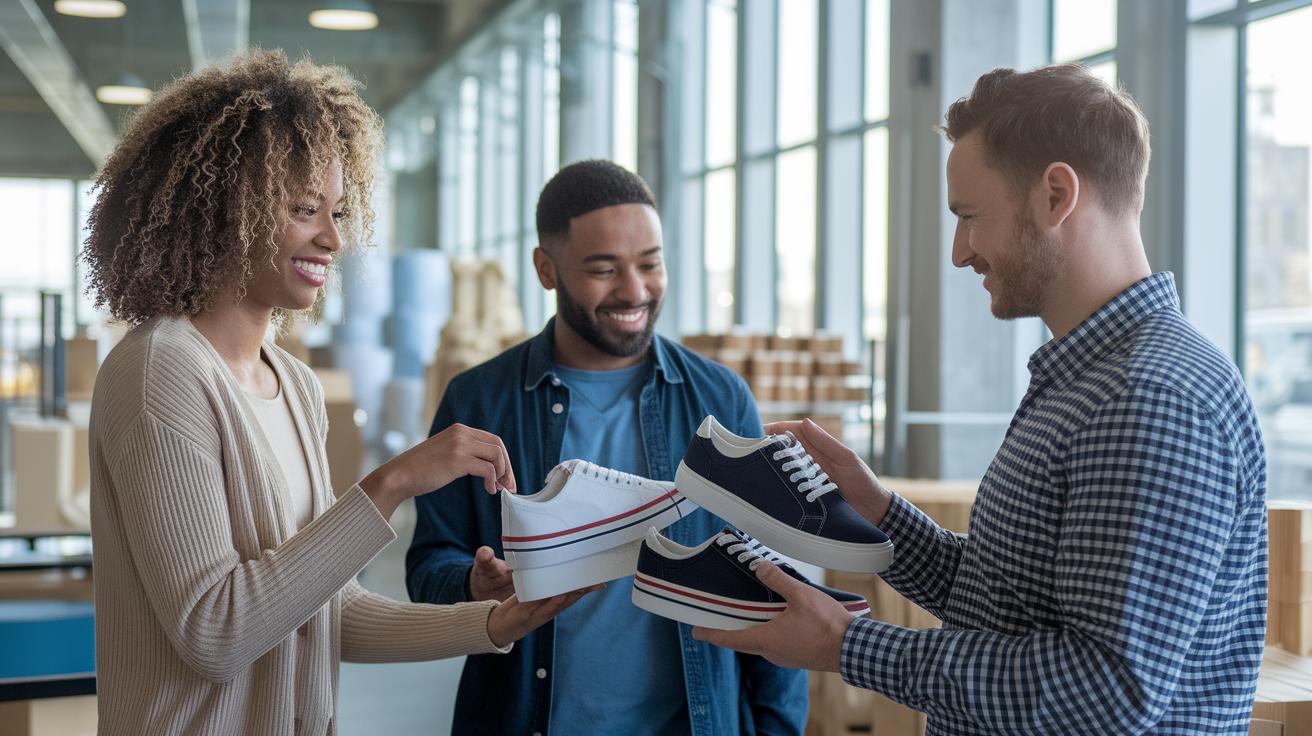
Take Adidas FUTURECRAFT.LOOP, for example. This product is designed to be remade after use, giving it a second life rather than ending up as waste. And then there’s the Circos baby clothing subscription, where clothes are returned, refreshed, and rented again. These models show how innovative thinking can cut down on waste and create a cycle that benefits both the business and the environment.
| Model Type | Description | Example |
|---|---|---|
| Product Life Extension | Involves repairing, refurbishing, and reselling products to make them last longer. | Adidas FUTURECRAFT.LOOP |
| Sharing & Rental | Provides products as a service, allowing temporary use without full ownership. | Circos baby clothing subscription |
| Resource Recovery | Focuses on recycling and repurposing materials from used products. | Recycling and reprocessing initiatives |
| Circular Supply | Uses renewable materials and builds fully closed-loop supply chains. | Renewable material sourcing projects |
Each of these strategies plays a key role in closing material loops and reducing waste. By designing products that can last longer or be reused, companies boost resource efficiency and lessen environmental pressure. Whether a business is focused on keeping products in use, renting items out, recovering valuable materials, or rethinking its supply chain, these models prove that you can be both sustainable and profitable. Isn't it intriguing how a smarter approach to resource use can benefit everyone involved?
Economic and Environmental Benefits of Circular Business Models
Circular strategies can boost profits in a big way. Studies show that practices like repair and resale could add up to USD 700 billion by 2030. That huge number comes from lower operating costs and a smarter use of resources. Companies that adopt these models often enjoy lower costs and get more out of what they own. For example, a business that keeps products in use and invests in closed-loop systems can stay ahead in a market that values green thinking.
Switching to circular methods is also great for the environment. When companies design products to last and reuse materials, they cut back on wasted resources and harmful emissions. Instead of a take-make-waste system that depletes raw materials, keeping materials in circulation means less need for new inputs. This cleaner way of doing business not only helps the planet but also lowers costs for waste management and resource extraction.
Circular business models also help boost a company’s brand and win customer trust. Today’s consumers lean toward businesses that show real responsibility. By adopting circular practices, companies build trust and attract loyal customers. This solid reputation opens the door to more repeat business and steady long-term profits. In a competitive market, standing out with a green commitment is a real win-win.
Implementing a Circular Business Model: Five Strategic Steps
Building a circular business model might seem like a tall order at first, but breaking it down into clear, manageable steps makes it much more approachable. Companies can use modern digital tools and recycling tech to keep the plan on track, turning challenges into real opportunities.
Start by doing a material flow audit. This means checking how resources move through your business and where waste occurs. With these insights, you'll have a solid baseline to see where improvements can happen over time.
Next, get everyone on board early. Invite your suppliers, customers, and team members to help shape practices that extend the life of your products. This inclusive approach not only builds trust but also sets everyone up to work toward the same goal.
Then, rethink product design so that items are easier to take apart. Focus on making products with modular components that can be repaired or repurposed without extra cost. Drawing on concepts from business model innovation can be a great guide here.
It’s also key to set up reverse logistics systems. In other words, create a smooth process for collecting and returning used products so that components can be reused or recycled safely. This step ensures that your business handles products responsibly, even after their initial use.
Finally, use data-driven tools to track your progress. Keep an eye on performance indicators like material recovery rates and the reduction of new resource use. This careful monitoring helps pinpoint what works well and what might need a bit more attention.
By checking these steps regularly, companies can celebrate their wins and spot areas for improvement. This ongoing focus makes the shift to a circular model a lasting, sustainable part of doing business.
Case Studies Illustrating Circular Business Model Success
Real examples show that reusing resources can lift profits and help the environment. With smart design, even a worn-out product can spark a fresh opportunity.
Adidas leads the way with its FUTURECRAFT.LOOP running shoe. After you run, you return the shoe. It’s then broken down and remade into a new pair. It’s pretty amazing to think a shoe can get reborn after every use.
Circos has also switched things up. They offer a subscription for baby clothes where outfits are collected, cleaned, and given to another family. Imagine a baby outfit finding a new home after just a quick refresh.
Other companies, like Vodafone with its repair services, extend the life of devices, while furniture programs use reclaimed materials to rebuild products. These examples show that various industries can recycle resources and cut down on waste.
Together, these strategies prove that smart product returns and refurbishing can conserve materials and create new business opportunities.
Challenges and Future Outlook for Circular Business Models
Businesses face real challenges when shifting to circular business models. They often require a hefty upfront investment that stretches already tight budgets. And as they adapt existing systems to meet new circular standards, teams feel the pressure to change fast. Plus, ever-changing regulations add another layer of complexity, making compliance an ongoing challenge.
Growing consumer demand for sustainable products is pushing companies to abandon old methods and adopt circular approaches. New government mandates are also urging businesses to upgrade how they manage resources. Innovation is essential here; as new technologies and methods emerge, companies find smarter ways to reuse, refurbish, and recycle products, keeping pace with market demands.
Looking ahead, circular economy principles are set to spread across multiple industries. Early adopters may enjoy long-term benefits like better resource efficiency and stronger market positions. With constant advancements and an increasing push for sustainability, circular models promise to reshape how companies operate and compete in today’s fast-changing market.
Final Words
In the action of transforming traditional operations, the blog outlines how a circular business model keeps materials in use and cuts waste. It covers key aspects from design choices for longevity to systematic changes in supply chains. Real-world examples and data highlight that shifting away from a take-make-waste approach can drive business efficiency and environmental benefits. Each step discussed encourages businesses to think strategically and act with confidence, setting a positive tone for a more sustainable way forward.
FAQ
FAQ
What is a circular business model example?
The circular business model example shows companies that focus on reusing, repairing, and recycling products. For instance, firms like IKEA reshape product design to keep materials in use and reduce waste, supporting long-term resource management.
What is a circular business model IB?
The circular business model in IB explains how companies incorporate sustainable practices by reducing waste and recovering materials. This approach teaches business students to balance profit with environmental care and long-term resource flow.
What is meant by a circular business model Canvas?
The circular business model Canvas refers to a structured framework that outlines key elements like product design, supply chain, and resource recovery. It helps organizations visualize their transition from a linear to a closed-loop system.
What is a circular business model template?
The circular business model template is a tool used to map out processes that minimize waste. It guides companies in aligning product design, supply chain steps, and recycling practices into a sustainable, circular format.
What is a circular business model PDF?
A circular business model PDF is a downloadable document that details definitions, case studies, and strategic steps for building a closed-loop business system. It serves as an accessible resource for companies aiming to adopt sustainable practices.
How does IKEA implement a circular business model?
IKEA implements a circular business model by rethinking product design and promoting recycling and repair services. Their approach extends product lifecycles, reduces waste, and encourages customers to return used items for refurbishment.
What characterizes a circular business model in 2022?
A circular business model in 2022 is characterized by increased focus on sustainability practices, waste elimination, and resource recovery. Companies are adapting systems that extend product lifecycles and aim for minimal environmental impact.
How does circular business model fashion work?
Circular business model fashion works by emphasizing recycling, repair, and sharing services in the clothing sector. This method reduces production waste and extends garment life, offering customers sustainable options and reducing environmental strain.
What are the 5 circular business models?
The five circular business models include product life extension, sharing or rental services, resource recovery, circular supply chains, and product-as-a-service. Each model minimizes waste, optimizes resource reuse, and strengthens sustainability efforts.
What is an example of a circular business?
An example of a circular business is a company that designs products for easy recycling and repurposing. For instance, Adidas uses recycled materials in its FUTURECRAFT.LOOP shoes, creating a closed-loop system from design to recovery.
What are the 4 principles of circular economy?
The four principles of the circular economy involve eliminating waste through smart design, keeping products and materials in use longer, regenerating natural systems, and separating economic growth from resource consumption.