

Ever wondered if a small percentage could hint at a brighter market future? The breakeven inflation rate shows the gap between fixed-rate bonds and inflation-linked bonds, giving investors a clear cue.
This small number acts like a guide. It helps you decide when to shift your money into bonds that protect against rising prices.
In this post, we dive into how these rate differences can signal a positive market outlook and help you adjust your strategy for changing economic times.
breakeven inflation rate: Positive Market Outlook
The breakeven inflation rate shows the gap between what a fixed-rate bond pays and what an inflation-protected bond yields. In simple terms, it tells us how much inflation is needed so that inflation-linked bonds start to outperform regular bonds. For instance, if a fixed-rate bond offers 4.50% while an inflation-linked bond gives 1.55%, the gap is 2.95%. That means inflation needs to be more than 2.95% for the inflation-protected bond to pull ahead.
This number is a handy tool for both investors and policymakers. Investors check it to decide whether to shift money into inflation-linked bonds or stick with the regular ones. Meanwhile, policymakers use it to fine-tune their strategies and keep an eye on inflation risk. Essentially, the breakeven rate is not a crystal ball; it reflects past trends that help form a positive outlook for the market.
Calculating the Breakeven Inflation Rate with Bond Yields
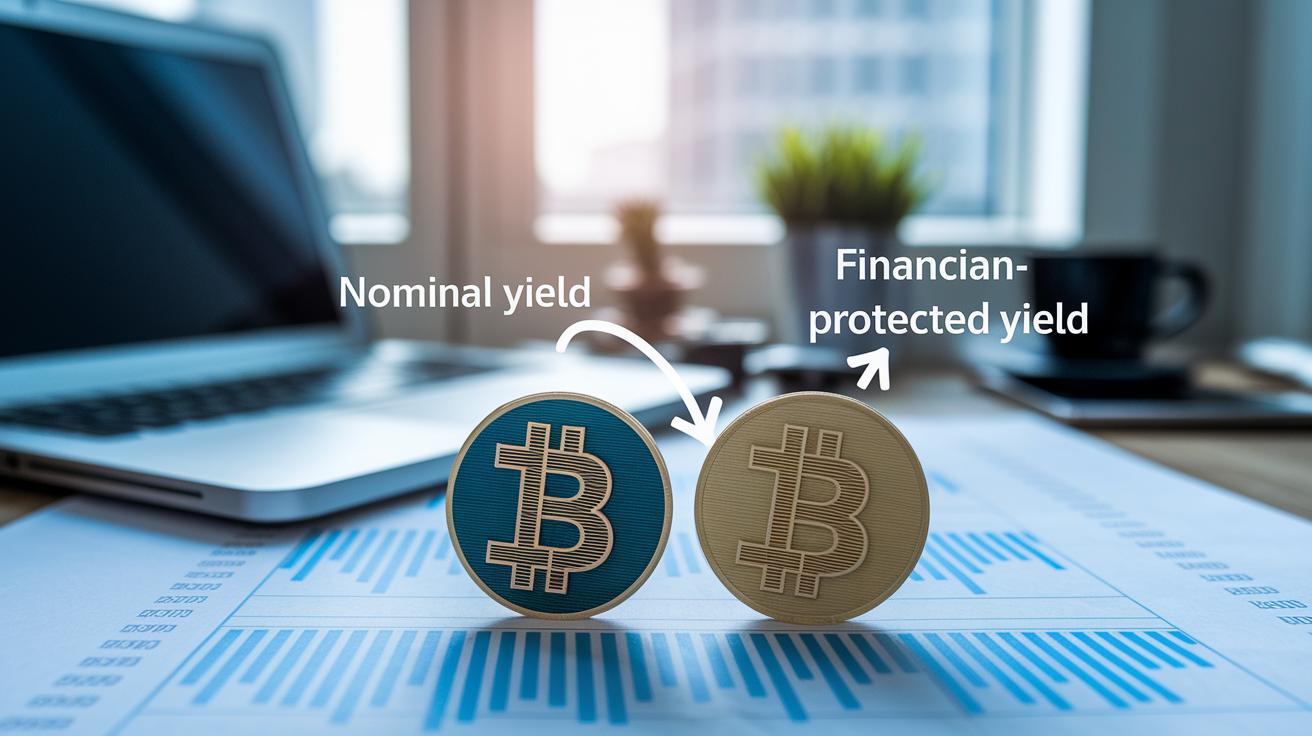
This section shows you a simple way to find the breakeven inflation rate by comparing two bond yields. In plain terms, you subtract the yield of an inflation-protected bond from a nominal bond's yield. You can check out this inflation rate formula if you need a quick look. It helps investors decide when inflation-linked bonds might come out ahead of fixed-rate bonds.
First, grab the nominal yield from a fixed-rate bond. Next, get the yield from an inflation-protected bond, like TIPS. Then subtract the inflation-protected yield from the nominal one. The resulting number tells you how much average inflation is needed for the inflation-linked bond to catch up with the fixed-rate bond.
| Bond Type | Nominal Yield (%) | Real Yield (%) | Breakeven Rate (%) |
|---|---|---|---|
| Example Bond | 4.50 | 1.55 | 2.95 |
This breakeven rate gives you a quick feel for market expectations about future inflation. For example, if the rate is 2.95%, it means inflation needs to climb higher than 2.95% for the inflation-linked bond, with its rising coupon based on current inflation plus a steady real yield, to deliver better returns than a nominal bond. This step-by-step process is a handy tool to compare fixed-income investments and make smarter choices as market conditions shift.
Breakeven Inflation Rates Across Maturity Horizons
Breakeven inflation rates change with the length of the bond, giving each investor a clear look into inflation expectations over different time frames. Think of it as reading different chapters from the same story. A short 1-year view shows the market's mood right now, while a 5-year outlook reflects broader business cycles. The 10-year perspective, on the other hand, highlights deeper trends shaped by policy and long-term economic shifts. This way, investors can choose bonds that best suit their strategy and risk time frame.
Short-Term Breakeven (1-Year)
This rate captures today’s market pulse. It quickly shows any small shifts in inflation expectations that might be brewing. By checking this number, you can get a fast glimpse of current conditions and adjust your strategy before things change too much.
Medium-Term Breakeven (5-Year)
This measure takes a broader view. It mixes recent data with trends you might see forming over several years. It’s like checking the weather forecast for next week after seeing today's conditions. This helps you plan for the impact of inflation on your portfolio over a mid-term period.
Long-Term Breakeven (10-Year)
This rate offers a look into the future. It accounts for lasting trends and shifts in policy that could affect inflation over many years. By studying this figure, you can plan how to protect your investments from long-term inflation pressures. It’s a guide for those aiming to secure their finances well into the future.
Historical Trends in Breakeven Inflation Rate

For the last 10 years, the breakeven inflation rate has mostly stayed between 2.0% and 2.5%. In simple terms, this steady range comes from comparing past consumer price data with bond yield differences. Investors and analysts use this average as a clear guide to what inflation might look like in the U.S. market under similar conditions.
But there have been times when the picture changed quickly. During big events like the 2008 financial crisis and the 2020 pandemic, the breakeven rate spiked sharply. These moments remind us that even reliable averages can be shaken by extraordinary events and rapid market shifts.
Practical Applications of the Breakeven Inflation Rate for Investors and Policymakers
The breakeven inflation rate is a handy tool that helps both investors and policymakers make smart decisions. It compares bonds protected against inflation with regular bonds, giving a clear signal of market mood. For investors, it shows when moving money could better shield their portfolios against rising prices. And for policymakers, it offers insight into what the market expects, guiding choices on interest rates and budget decisions. Think of it as a friendly reminder that over time, inflation can chip away at your savings, urging everyone, whether planning a household budget or national economic policy, to stay alert.
- Portfolio Rebalancing: When the expected inflation climbs above the breakeven rate, investors might switch part of their portfolio into inflation-protected securities, keeping their investments strong.
- Policy Assessment: Lawmakers and regulators use this measure to understand market sentiment, helping them fine-tune monetary policies that keep the economy steady.
- Hedging Strategy: This rate is a guide for strategies designed to protect against the risk of inflation eating into investment returns.
- Retirement Planning: By looking at the breakeven rate, individuals can better plan for a retirement that holds up against long-term inflation, ensuring a secure future.
- Risk Monitoring: Both investors and policymakers keep an eye on this indicator to catch early signs of market shifts, so they can adjust their strategies quickly.
By tracking this simple yet versatile metric, investors and policymakers get a clearer picture of upcoming inflation pressures. It encourages making well-informed decisions in both portfolio management and policy adjustments, protecting assets from unpredictable inflation while providing clear signals for both short-term moves and long-term planning.
Limitations and Adjustments in Breakeven Inflation Analysis

Market breakeven rates mix in extra elements like liquidity and risk premiums, which can blur the true picture of inflation expectations. They give us a quick glance based on past bond yield differences, but they don’t guarantee that future inflation will match these forecasts. Sudden market moods or unexpected economic shifts can lead to real inflation rates that stray from what was predicted. In other words, it’s just one tool in the toolbox for understanding inflation trends.
Analysts handle this uncertainty using several smart methods. They often check the risk-free spread to cut through the noise of market sentiment. Simple econometric models, built on both past data and current trends, help fine-tune their inflation estimates. Additionally, scenario analysis explores different economic conditions to see how these shifts might impact inflation. These adjustments aim to bridge the gap between what’s projected and what might actually happen, guiding both investment decisions and policy strategies.
Final Words
In the action, we explored how the breakeven inflation rate helps shed light on market expectations. The discussion covered its definition, calculation using bond yields, and variations across different maturity spans. We also looked at historical trends that shape today’s inflation outlook.
Key investor strategies and policy implications were identified while also recognizing limitations inherent in the metric. Each point offers practical insight for making smarter, data-driven choices. This clear overview encourages informed, positive steps in your financial decision-making.
FAQ
What is the breakeven inflation rate formula and how is it calculated?
The breakeven inflation rate formula calculates expected inflation by subtracting the real yield of an inflation-linked bond from the nominal yield of a fixed-rate bond. This method aligns with market expectations.
What does the 1-year breakeven inflation rate indicate?
The 1-year breakeven inflation rate reflects near-term inflation sentiment by comparing yields on short-term bonds, offering investors a quick snapshot of market price expectations.
What does the 2-year breakeven inflation rate indicate?
The 2-year breakeven inflation rate gauges market expectations over a slightly longer period than one year, helping investors evaluate inflation risks in the near to medium term.
What does the 5-year breakeven inflation rate indicate and how is it used?
The 5-year breakeven inflation rate signals market expectations over a medium term, guiding investors in hedging strategies and portfolio decisions by comparing real and nominal bond yields over five years.
What does the 10-year breakeven inflation rate show in terms of inflation expectations?
The 10-year breakeven inflation rate provides insight into long-term inflation expectations by measuring the yield difference between longer-dated nominal bonds and inflation-protected securities.
What does the 20-year breakeven inflation rate measure?
The 20-year breakeven inflation rate measures long-term inflation expectations, aiding investors and policymakers in understanding price trends and the impact on long-duration investment strategies over two decades.
What does a breakeven inflation rate ETF refer to?
A breakeven inflation rate ETF comprises exchange-traded funds that track breakeven inflation trends, allowing investors to gain exposure to market-based measures of inflation expectations.
What does breakeven inflation rate CFA signify?
The term breakeven inflation rate CFA refers to analyses often conducted by Chartered Financial Analysts, highlighting how inflation expectations derived from bond yields influence investment decisions.
Why is 2% inflation considered optimal?
The 2% inflation rate is deemed optimal because it provides a balanced economic environment that avoids deflation risks while promoting moderate growth and price stability.