

Ever notice how market moods can hint at winning trades? Imagine using everyday headlines and investor feelings as clear signals to guide when you buy and sell. In this guide, we break down five easy techniques that mix reliable data with the vibe of current news.
Sometimes, price moves and market sentiment don’t line up. When that happens, it might be a smart clue to take a pause. By turning daily chatter into actionable steps, you can aim for steadier gains and try a fresh twist on traditional trading methods.
Implementing Market Sentiment Trading Strategies: A Comprehensive Overview
Have you ever imagined a system that reads today's financial news to decide when to trade? Picture this: when Apple’s news sentiment climbs above a seven-day rolling average and stays positive, traders jump in at the next day's open and exit at the close. In one study with AAPL data from September 26 to October 16, 2024, this approach earned a 4.27% return, outperforming the old buy-and-hold method.
This strategy mixes hard numbers with the human touch behind investor feelings. It gathers daily headlines and sentiment scores, then smooths out the daily ups and downs using a rolling average. This way, what might seem like random chatter turns into clear, actionable signals.
Some techniques really stand out. For example, sentiment divergence looks for times when the price move doesn’t match the upbeat news, hinting that maybe the market is off track. Then there are sentiment extremes, which serve as a warning to steer clear when the market’s hysteria is too high. And finally, event-driven adjustments let traders tweak their positions around big market events, keeping them agile in the face of surprises.
In a nutshell, mixing qualitative news analysis with simple trading rules turns complex data into smart moves. It’s a balanced, all-around approach that lets you use everyday news sentiment to make well-timed trading decisions.
Essential Indicators for Market Sentiment Trading Strategies
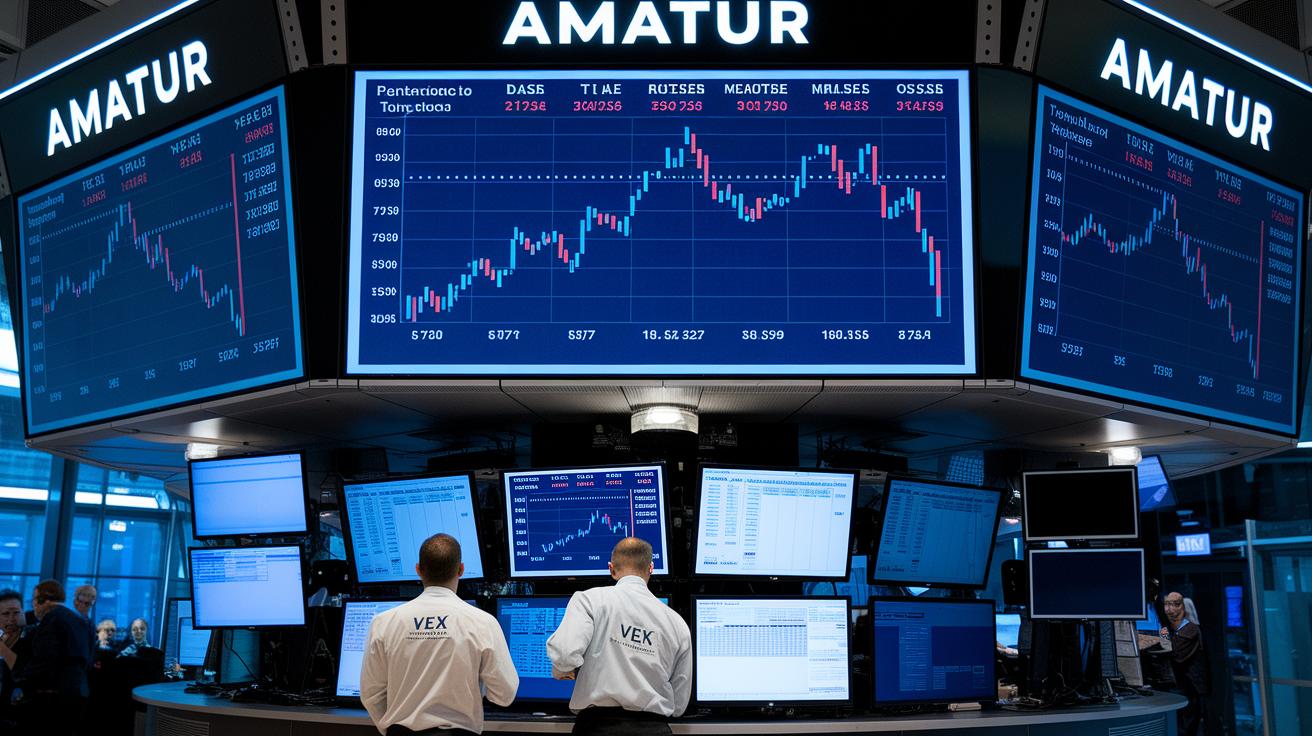
The VIX, known as the fear index, shows how much the S&P 500 is fluctuating. When the VIX jumps suddenly, traders get ready for quick market changes. It’s a clear way to see when investors are feeling either hopeful or worried.
The Put/Call Ratio is another useful tool. It compares the number of put options, which suggest a bearish view, with call options, which point to bullish expectations. When this ratio goes up, it means traders are leaning toward caution. A low ratio, on the other hand, indicates a more optimistic mood.
The Commitment of Traders (COT) Report digs even deeper. It breaks down the positions held by big institutions, speculators, and retail investors, giving us a closer look at the overall market attitude. Plus, data from the Intrinio Financial News API ties headlines and sentiment scores to specific dates, blending news with numbers to help forecast market moves.
Key indicators include:
- VIX for tracking market volatility
- Put/Call Ratio for balancing bearish and bullish signals
- COT Report for a clear view of investor behavior
Each of these tools works together to paint a clear picture of market sentiment. Have you noticed how these signals can give you an edge in anticipating market changes?
5 Market sentiment trading strategies Fuel Winning Trades
Take your trading to the next level by combining advanced algorithms with classic sentiment analysis. Start with a tried-and-true system that grabs and cleans live market sentiment data using platforms like MetaTrader 5. For instance, you could have a setup that pulls in news and headline sentiments, turning raw data into clear trade signals.
Next, add a technical twist by training a classifier to read financial texts and pick up on investor moods. Picture a system that starts simple but evolves to spot subtle hints, a little like a coach fine-tuning a player's moves. This upgrade can help you tell small price changes from real market shifts.
Here’s what that looks like in practice:
- Fetch and clean live sentiment data from various feeds.
- Train a classifier on financial texts to turn investor moods into actionable signals.
- Convert sentiment readings into clear buy and sell signals across assets.
- Tweak algorithm settings to distinguish minor moves from major market shifts.
By integrating these refined methods into your core system, you move from basic sentiment checks to smarter, algorithm-driven strategies. This shift sharpens your entry and exit signals, making your trading decisions even more precise.
Backtesting and Optimization Techniques for Market Sentiment Trading Strategies

Backtesting is a key step to ensure your market sentiment trading strategy stands strong. In Python, traders start by pulling in sentiment data one day at a time. For instance, calculating a 7-day moving average helps smooth out wild swings, think of it like turning a chaotic daily mood into a steady, clear trend.
Once you have both the daily and rolling sentiment figures, you move on to a grid search over key settings such as threshold levels and lookback periods. This process tests different combinations to see where signals from the VIX, Put/Call Ratio, and news sentiment work best. It’s a bit like tweaking a recipe until you hit the perfect balance.
Here’s what a grid search might involve:
- Trying out various sentiment score thresholds.
- Testing different lookback windows to capture the best trends.
- Comparing each result with a basic buy-and-hold strategy.
One study showed that this method achieved a 4.27% ROI compared to traditional approaches. Combining several indicators can help filter out noise while spotlighting actionable trends.
| Parameter | Tested Values |
|---|---|
| Threshold Level | Various sentiment score cutoffs |
| Lookback Window | 5 to 10 days |
Real-Time Monitoring for Market Sentiment Trading Strategies
Tracking market sentiment in real time can be a lot like catching a moving train. When news and social media updates come at you fast, you need a system that can handle this rapid pace. Apache Kafka is one tool that processes a high volume of sentiment signals without breaking a sweat. Imagine a dashboard that shows live averages and sudden spikes, giving you that extra edge when market moods flip.
Real-time monitoring is all about keeping an eye on those short-term market shifts. Setting up a system to flag these rapid changes might just mean the difference between seizing a profit and missing out. It’s like having an alert that warns you the moment the market’s atmosphere takes an unexpected turn.
Key steps to consider include:
- Setting up dashboards to display live sentiment trends.
- Using fast, high-frequency data feeds to spot volume and mood surges.
- Configuring alerts based on specific sentiment thresholds.
By minimizing data delays and processing inputs quickly, you can act as soon as market sentiment shifts, turning that instant emotional data into smart, actionable trading moves.
Risk Management and Compliance in Market Sentiment Trading Strategies

When you're trading based on market sentiment, having strong safety measures is key. Try using stop losses set at twice the normal trading range so that any wild market swings can be managed better. This simple step can really help reduce your risk if the market suddenly turns against you.
It also helps to size your positions based on how clear the sentiment signal is. If the signal is strong, you could consider putting a bit more of your money into play, but always keep your overall risk at a level you're okay with. This way, you keep your portfolio balanced no matter if the market is very bullish or bearish.
Another way to protect yourself is by spreading your investments over different asset classes and sectors. Adding hedges to your portfolio can offer extra security during volatile times. For example, if the market feels overly optimistic, a cautious hedge might shield you from potential downturns.
Do not overlook the importance of staying compliant with regulations like GDPR and CCPA when you gather and use data from social media and news sources. Always keep up with the rules to ensure your strategies are as safe as they are smart.
- Establish stop losses tied to volatility metrics
- Adjust position sizes based on signal strength
- Utilize hedges and diversification for capital protection
These risk management practices help ensure that sentiment-driven strategies not only aim for good returns but also shield your capital from sudden market changes.
EUR/USD Case Study: Market Sentiment Trading Strategies Around the 2025 ECB Meeting
Back in January 2025, a trade on the EUR/USD pair revealed how keeping an eye on market mood can lead to smart moves around major central bank events. Traders watched news headlines and social media chatter to gauge sentiment before and after the ECB meeting. Before the meeting, upbeat headlines and lively online discussions boosted confidence. After the event, the tone shifted, and traders saw more caution in the market.
This case study shows a simple plan: first, check the mood. Traders noticed that sentiment indicators were high just before the ECB meeting, suggesting that it was a good time to ramp up their positions. For example, one trader doubled their positions as sentiment soared, then exited early when the tone sharply dropped after the meeting. This quick move snagged a 35-pip gain with a reward-to-risk ratio of 1.8:1.
Key steps included:
| Action | Description |
|---|---|
| Real-Time Monitoring | Tracking news and social media sentiment as events unfold |
| Adjusting Position Sizes | Scaling up positions during high optimism and scaling down when sentiment wanes |
| Timing Entries and Exits | Entering ahead of the event and exiting when caution sets in |
By blending technical signals with a reading of investor mood, traders can adjust their strategies around key events. It’s a bit like planning your day by checking the weather first, you get a sense of what to expect and can plan your moves accordingly. This example proves that using sentiment alongside price data can lead to promising outcomes, even when central banks stir up the market.
Advanced Machine Learning Market Sentiment Trading Strategies

Using data gathered from different channels lays the foundation for a solid market sentiment model. You start by collecting information from news articles, social media posts, and financial reports. Picture it like turning scattered puzzle pieces into a complete picture where raw data transforms into clear trading signals.
Once the data is in hand, give it a good clean-up. This means removing unwanted noise, breaking down sentences, and standardizing the language so everything is ready for deep analysis. Think of it as setting the stage for a performance, each script is primed to deliver the right message.
After cleaning, the next step is to train your models using advanced techniques like LSTM networks or transformer models. These systems are designed to measure the strength of emotions in financial texts, picking up subtle tone shifts that standard price movements might miss.
Then comes the integration of fuzzy logic rules to polish the trading signals even further. This hybrid approach blends hard data insights with clear, rule-based adjustments, much like fine-tuning a musical instrument until it hits that perfect note.
Built on over four years of real-world experience in algorithmic trading with Python, MQL4/5, and PineScript, this step-by-step workflow transforms raw market sentiment into actionable trading signals. It offers a forward-thinking edge, combining human intuition with algorithmic precision to help traders stay ahead in a dynamic market.
Final Words
In the action, the blog explored a full blueprint from intraday tactics and signal analysis to integrating data into trading platforms and backtesting techniques. It showed how to use sentiment indicators like the VIX and Put/Call ratio, and even highlighted live monitoring and risk management.
The analysis also offered a practical EUR/USD case study and touched on machine learning innovations. All these insights reinforce that market sentiment trading strategies empower traders to make data-driven, smart decisions for sustained business success.
FAQ
What are the best market sentiment trading strategies?
The best market sentiment trading strategies use a mix of technical indicators, rolling averages, and sentiment divergence signals to time market entries and exits while managing risk during mood shifts.
What does market sentiment mean and can you give an example?
Market sentiment refers to the overall mood of investors measured by data like option activity and news scores. For example, overwhelming bullish sentiment can sometimes signal an upcoming reversal.
Where can traders access reliable market sentiment data?
Traders can access market sentiment data on platforms such as TradingView, Forex Factory, and other dedicated websites that provide real-time charts, indicators, and mood metrics from various financial sources.
How do you use market sentiment in trading?
Using market sentiment in trading involves incorporating mood analysis into your strategy to time entries and exits, adjust position sizing, and spot potential trend shifts based on investor behavior.
How often does a 20% market correction happen?
Market corrections of 20% typically occur over several years during strong downturns, with historical cycles suggesting such corrections are relatively infrequent but significant when they occur.
What is the 7% rule in stock trading?
The 7% rule in stock trading suggests setting gain or loss limits around 7% of your position, providing a framework for defining risk levels and protecting capital in volatile markets.
What is the 10 am rule?
The 10 am rule refers to a market observation period when early trading dynamics settle, offering traders clearer signals for potential entry points based on established momentum by that time.