

Is India's economy heading toward a brighter future? In recent years, consumer prices have been dropping. One moment, they stood at 6.7%, and by parts of 2025 they dipped to just 1.7%.
This change is a bit like slowly turning down a dimmer switch, it helps make daily expenses easier to handle. With inflation falling, many are feeling optimistic about India's market strength.
The forces behind this trend are worth exploring. Could this steady change signal a wave of positive economic momentum for the country?
India’s Inflation Rate Trends and Data (2022–2025)
India’s retail inflation has been on a steady decline, setting a clear picture of shifting price trends. In the fiscal year 2022–23, inflation stood at 6.7%. By 2023, it eased to 5.65%, and in 2024, it fell further to 4.95%. The Economic Survey 2025–26 even noted that from April to December 2025, the Consumer Price Index hit a low of 1.7%, with an average of 4.6% for FY 2024–25. It’s like watching a light dim slowly when you realize how consumer prices have shifted from over 6% to much lower rates.
| Fiscal Year | Inflation Rate |
|---|---|
| 2022–23 | 6.7% |
| 2023 | 5.65% |
| 2024 | 4.95% |
| FY 2024–25 | Average 4.6% |
| FY 2025–26 (Apr-Dec) | 1.7% |
These changes point to effective economic actions and balanced market forces. Each drop in the inflation rate made it easier for consumers to manage their spending. Imagine it like turning a dimmer switch lower and lower: the difference becomes steady and clear. Many see this as a time when growing market confidence paved the way for a brighter economic outlook in India.
Key Determinants of India’s Inflation Rate
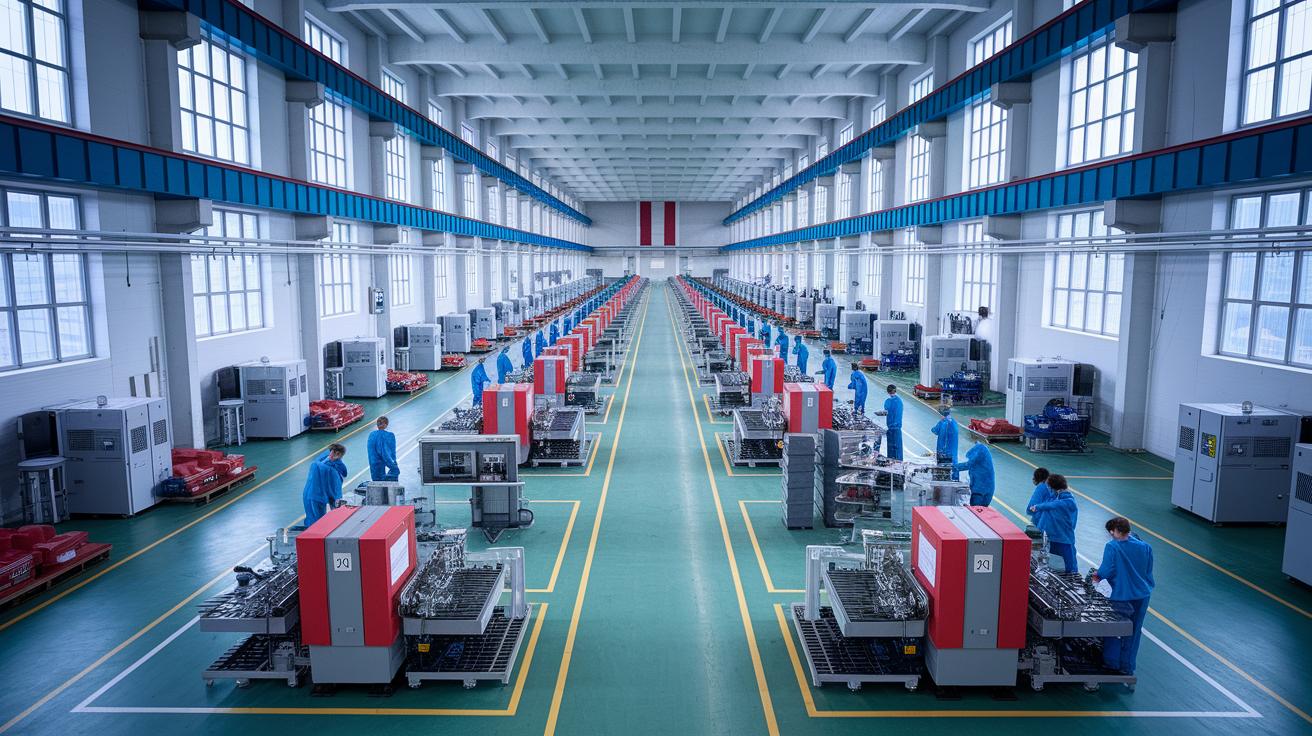
Strong supply-side management has helped keep inflation down. Think of a busy factory that keeps running smoothly even when demand spikes. This steady production means prices stay more stable, so consumers see fewer sudden hikes.
What factors drive India's inflation? Here are the main ones:
- Straightforward production processes: Efficient factories boost output and keep prices in check.
- Moderated global commodity prices: Global commodity prices once spiked unexpectedly, but falling trends helped cushion local markets by lowering key material costs.
- Practical domestic policies: Smart government moves have helped balance market ups and downs, easing worries.
- Reliable agricultural output: Consistent harvests and improved farming methods secure food supplies, which helps keep food inflation low.
- Effective food distribution: Better logistics and storage cut down on waste and ensure fresh produce reaches the market at fair prices.
Each of these elements contributes to lowering inflation from year to year. Together, they ease financial strain on households and foster a more stable economy. Understanding how these factors work gives us a clear picture of how India's economic changes unfold.
Comparing India’s Inflation with Global Trends
When you look at inflation around the world, a clear pattern emerges. In 2022, global headline inflation was around 8.7%. Fast forward to 2025 and it dropped to 4.2%. Advanced economies even settled in a tight range of 2 to 3%, while emerging markets came down to roughly 5.3%. These numbers show how prices are stabilizing, even though each country faces its own challenges.
According to recent IMF data, India's inflation is at a reliable 2.8%, reflecting a steady monetary approach despite outside pressures. Meanwhile, China saw almost no change in its Consumer Price Index. This difference suggests that India’s targeted policies might be working better than those in some other large economies. While many nations take gradual steps to adjust, India's market is quickly catching up with global trends in lowering inflation.
A closer look shows that India’s economic strategies are helping to ease market ups and downs. Rapid shifts in its domestic market create a stark contrast with the slower, steadier changes in more mature economies. This proactive approach gives India a strategic edge when dealing with worldwide economic shifts. Have you noticed how some policies can quickly change the market scene? India’s example is a great case in point.
Outlook and Forecast: Projected Inflation Scenarios in India

Recent forecasts suggest a positive shift on the horizon for India's inflation rate. After a quick dip from an average of 4.6% in FY 2024–25 to an all-time low of 1.7% in FY 2025–26, experts now expect the rate to gradually move back into the Reserve Bank of India's target range of 2% to 6% by FY 2026–27. This change feels natural as careful fiscal policies and fluid market dynamics come into play.
Imagine an engine that cools down after overheating, a small adjustment sets it running steadily again. In the same way, India's market is finding its balance after a rapid cool-off.
Analysts point to thoughtful domestic policies and sound budget plans as the key drivers of this trend. Their outlook reassures households and investors that, despite the recent sharp drop in inflation, the economic fundamentals are strong enough to support a return to steady, manageable price growth in the near future.
Government Policy and India’s Inflation Dynamics
India’s steady inflation has come from smart fiscal moves and flexible monetary actions. The Economic Survey highlights domestic policies that have kept inflation low, even when global markets felt uneasy. Recently, government budgets have been designed to balance demand with supply, which helps families spend more confidently and gives investors extra assurance.
The Reserve Bank of India has been a key player in this effort. Its clever rate decisions have made a real difference. For instance, a slight rate cut last year quickly lowered borrowing costs, sparking more spending and bringing inflation down. This is a clear example of how monetary policies work in real time to keep the market on track.
Fiscal policies and RBI measures have worked well together. Adjustments in the budget have provided a financial safety net during tough market shifts, while tweaks from the RBI have influenced lending and spending. These efforts have helped soften the impact of global price swings and unpredictable commodity trends.
By guiding the flow of money and setting a positive market mood, these policies create a strong base for steady economic activity. This proactive mix not only supports today's spending power but also builds a resilient foundation for tomorrow’s growth.
Visualizing Inflation: Chart of India’s CPI Trends

In less than four years, India's inflation fell from 6.7% to 1.7%, showing a rapid turnaround in economic conditions.
Take a look at the table below, it mixes the figures with clear insights into what these trends mean for the market.
| Fiscal Year | Inflation Rate | Trend Analysis |
|---|---|---|
| 2022–23 | 6.7% | Recovery measures set a high starting point |
| 2023 | 5.65% | Early signs of cooling with smart policy tweaks |
| 2024 | 4.95% | A steady drop that signals market stabilization |
| FY 2024–25 | Average 4.6% | Consistent decline thanks to structural reforms |
| FY 2025–26 (Apr-Dec) | 1.7% | A sharp fall reflecting strong policy impact |
The details tell a clear story. In 2022–23, the recovery measures pushed inflation high, but by 2023, quick policy tweaks began to ease the numbers. By 2024, the steady decline showed the market settling down, and the average of 4.6% in FY 2024–25 confirmed the impact of lasting reforms. The dramatic drop to 1.7% in FY 2025–26 tells us that recent policies hit home strongly.
This alternate presentation blends solid data with actionable insights, making it easier to grasp how India's market trends are evolving.
Final Words
In the action, the article traced India's inflation dynamics from FY 2022-23 through FY 2025-26. It showed how supply-side management, policy decisions, and global shifts helped lower the inflation rate in india. The discussion compared domestic trends with global figures and laid out forecasts, supported by clear visuals. These insights offer smart, data-driven pointers for business decisions. The outlook remains positive as India moves toward a more stable economic environment.
FAQ
Q: What is the inflation rate in India in 2025?
A: The inflation rate in India in 2025 shows a significant decline, with a CPI record-low of 1.7% between April and December FY2025–26, reflecting strong supply and policy measures.
Q: What has been the inflation rate trend in India over the last 10 years?
A: The inflation rate in India over the last 10 years presents a steady decline driven by managed supply-side actions and moderated commodity prices, alongside robust domestic policies adapting to global trends.
Q: What is the projection for India’s inflation rate over the next 20 years?
A: The projection for India’s inflation rate over the next 20 years remains uncertain, though experts expect continued moderation influenced by domestic reforms, global commodity trends, and measured fiscal policies.
Q: What does education inflation rate in India refer to?
A: The education inflation rate in India refers to steadily rising tuition and related costs, often outpacing general consumer price increases due to growing demand, regulatory changes, and evolving funding models.
Q: What is the inflation rate in India for 2024?
A: The inflation rate in India for 2024 is estimated at around 4.95%, reflecting a continued decline from previous fiscal years as supply chain efficiencies and policy adjustments take effect.
Q: What is the current inflation rate in India?
A: The current inflation rate in India, supported by 2024 data, is close to 4.95%, underscoring the gradual reduction achieved through effective economic policies and market adjustments.
Q: What is the value of 1 lakh after 20 years considering inflation?
A: The value of 1 lakh after 20 years, assuming an average inflation rate of about 4%, would decrease to roughly 45,000 to 46,000 rupees in today’s purchasing power, illustrating long-term value erosion.
Q: Is India considered a high inflation country?
A: India is no longer considered a high inflation country; recent trends show a steady decrease due to impactful policy measures, bringing the rate closer to RBI’s target range compared to many emerging markets.