
Ever noticed how investor moods can flip in a heartbeat? One unexpected twist, like a sudden rise in inflation or a drop in unemployment, can change the whole market vibe. Local trends and global events mix together to shape how traders feel and act. In this article, we break down these forces and show you how each one guides trader decisions. Let’s dive in and unlock what makes the market tick, so you can see the road ahead more clearly.
Comprehensive Overview of Market Sentiment Factors
Market sentiment is the overall mood of investors. It plays a big part in financial decisions. Simple changes like adjustments in interest rates, inflation, GDP growth, or unemployment levels can shift this mood. In short, whether the market feels upbeat or cautious often tells investors to buy or sell. Want to know more? Check out what is market sentiment. When you grasp how these factors work together, you can better assess risk, follow trends, and tweak your strategy on the fly.
Many forces blend into market sentiment, and they fit mainly into four groups. First, economic indicators like GDP, interest rates, inflation, and unemployment show us how the market is doing. Second, political and global events, like elections, new trade policies, or conflicts, can either cloud or clear investor confidence. Third, signals from companies, such as earnings reports and forecast updates, give hints about a business’s future. Lastly, worldwide influences like pandemics, sudden supply chain issues, or shifts in commodity cycles have a big impact on investor feelings.
- Economic indicators (GDP, interest rates, inflation, unemployment)
- Political and geopolitical events (elections, trade policy, conflicts)
- Corporate signals (earnings reports, guidance revisions)
- Global conditions (pandemics, supply chain shocks, commodity cycles)
Economic Indicator Impact on Market Sentiment

Investors pay close attention to GDP and unemployment. When GDP goes up, it usually means the economy is doing well, and that makes investors feel upbeat. A strong GDP tells us the economy is on the right track, boosting confidence and sparking more buying. But when unemployment rises, it can hint at hidden troubles. More jobless people mean less spending, which might slow down growth. Think about it this way: plenty of new jobs generally brightens the outlook, while a jump in unemployment brings a cloud of doubt.
Inflation and interest rate movements weave their own stories into market sentiment. Central banks, like the Federal Reserve, tweak rates to keep inflation in check. When rates increase, borrowing costs climb. This can slow spending and investment, and suddenly, the market might take on a bearish feel. Lowering rates, on the other hand, often lights a fire under the market, encouraging more spending on stocks and bonds. Fast-rising inflation, though, can shake investor confidence because it chips away at what you can buy with your money.
| Indicator | Sentiment Effect |
|---|---|
| GDP Growth | Higher GDP → bullish mood |
| Interest Rate Changes | Rate hikes → bearish demeanor |
| Inflation Rate | Rising inflation → uncertainty |
| Unemployment Rate | Higher unemployment → negative view |
Fiscal policies also add extra flavor to the mix. Changes in taxes and government spending can gently steer investor behavior one way or the other. A friendly fiscal setup can amplify the boost from a growing GDP and low unemployment. But if taxes go up or budgets shrink, the negative vibes from rising unemployment or inflation might grow stronger. In short, the way money flows through both monetary and fiscal policies keeps reshaping how the market feels day by day.
Political and Geopolitical Influence on Market Sentiment
Elections and trade talks can change market expectations in a flash. During election cycles, uncertainty builds as investors watch closely for leadership changes and policy shifts. Trade negotiations only add to the confusion, making market players more cautious as they adjust their risk profiles.
When geopolitical tensions rise, like during wars or when economic sanctions are imposed, the cautious mood in the markets grows even stronger. Diplomatic changes and conflicts send clear signals that investors need to tread carefully. For instance, a sudden change in regulation or the introduction of new tax laws can flip market sentiment from optimistic to wary. Have you ever noticed how new policies can throw off market forecasts and force traders to rethink their strategies?
Key events include:
- National elections and leadership changes
- Shifts in trade policy and tariffs
- Sanctions or military conflicts
- Regulatory reforms in areas like banking, tech, or energy
- Announcements from central banks
Investors don’t see these moves in isolation. Instead, they view each event as part of a larger pattern where risk and policy uncertainty feed off one another, often leading to more volatile market swings. This ongoing feedback loop pushes traders to continuously adjust their plans in response to the ever-changing political landscape.
Corporate Earnings Signals and Sector Dynamics in Market Sentiment

Quarterly earnings reports give a clear snapshot of a company’s performance and catch the eye of investors. When companies beat what analysts expected, it lifts investor confidence and brightens market sentiment. But if results fall short or guidance is trimmed, trust wavers and sell-offs in key sectors can follow. This back-and-forth cycle means that the market often moves in step with what these reports signal.
Key factors to watch include:
- EPS surprises compared to consensus forecasts
- Revenue guidance upgrades or downgrades
- Comparisons between tech and cyclical industries
- Analyst revisions and future outlook statements
After the COVID-19 downturn, many companies bounced back with strong earnings. This turnaround sparked optimism across equity markets. Investors moved from caution to a more hopeful mood as they noticed a trend of recovering revenues and refreshed strategies. Even rising call option prices showed how much impact these reports can have on market mood. Quarterly earnings, whether they bring good news or warnings, remain a vital guide for understanding market direction and investor behavior.
Global Conditions Effect on Market Sentiment
The COVID-19 pandemic shook many industries and changed the way investors behave. When the crisis hit, uncertainty shot up and investors quickly moved to protect themselves. Many turned to put-options as a safety net. Meanwhile, problems like supply-chain issues in the automotive and electric vehicle markets added extra pressure. For example, news of delayed shipments and shortages of raw materials often made investors prepare for more ups and downs in the market.
These challenges changed risk appetite and led to different moods among various sectors. When headlines shouted supply delays, many traders braced themselves for sudden volatility. If you’re curious about the broader economic picture after the pandemic, there’s plenty more detail available elsewhere.
Emerging economies have felt these shifts even harder, showing more noticeable market swings. In such places, random policy changes and supply hiccups can turn small worries into big fears. On the bright side, signs of recovery sometimes show up in better production numbers or fewer supply-chain problems. Traders watch these clues closely and use them to guess when the market might start turning around. Global conditions, therefore, not only shape today's investor moods but also hint at where the market might head tomorrow.
Tools and Indicators for Gauging Market Sentiment
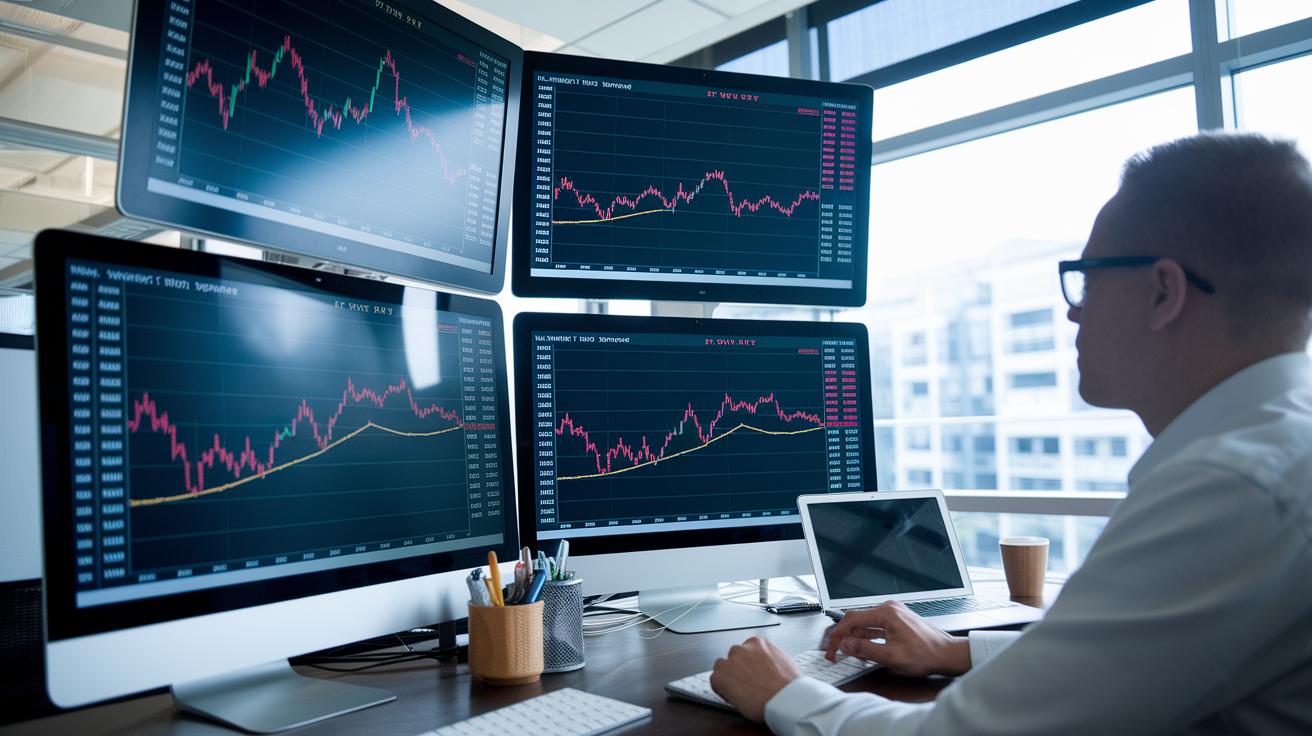
Quantitative numbers give us the hard facts, while qualitative insights capture the mood and real experiences of investors. Data from trades and large data sets tell one part of the story, but expert opinions and surveys add that human touch which makes everything clearer.
Key tools used to gauge market sentiment include:
- VIX – tracks market anxiety through implied equity volatility
- Put-Call Ratio – compares protective versus speculative moves
- Moving Averages – highlight shifts in trends and momentum
- Sentiment Surveys – reveal investor expectations and the fear/greed balance
For example, the VIX offers a clear, numerical snapshot of market worry.
Mixing these various measures helps cut through the usual market chatter and spots key turning points. When real-time data meets historical trends, investors can tell when the market might be too high or too low. And when several signals, like a rising VIX and changes in moving averages, line up together, it might mean that market sentiment is shifting.
This combined approach gives a more complete picture of the mood in the market, allowing investors to stay nimble and adjust their strategies before big changes hit.
Investor Strategies Amid Market Sentiment Shifts
Markets can change in a flash. When moods shift, you need to update your plan to protect your money and grab new chances. These changes can affect everything from stock prices to bond returns. Understanding the trends helps you adjust your positions and set up safeguards.
In uncertain times, a flexible approach really pays off. When market conditions get a bit wild, taking quick, smart actions can keep you ahead.
Here are some practical steps to consider:
- Use option hedges when the VIX goes up.
- Move into defensive sectors if policy uncertainty grows.
- Spread your investments across different regions and asset types.
- Follow data signals that reflect market sentiment.
- Keep enough cash on hand for quick moves.
Regularly checking your portfolio is essential. By watching economic and policy signals, you can fine-tune your strategy and keep your defenses strong. This proactive approach helps stabilize your returns even when the market surprises you and keeps your capital safe during unpredictable times.
Final Words
In the action, we covered how economic activities, political shifts, corporate earnings, and global events drive investor mood. We broke down essential components like GDP trends, policy changes, and earnings surprises while highlighting tools that assess these movements.
This concise guide on factors affecting market sentiment offers actionable insights for understanding and responding to market shifts. With a clear roadmap from sentiment drivers to adaptive strategies, you gain a solid base for timely, informed decisions that keep you ahead in a dynamic marketplace. Keep moving forward confidently.
FAQ
What factors affect market sentiment and the broader stock market?
The factors affecting market sentiment and the stock market include economic indicators like GDP, inflation, interest rates, and unemployment; political and geopolitical events; corporate earnings signals; and global conditions that together shape investor mood and behavior.
Why do stock prices change every second and what drives daily fluctuations?
The rapid changes in stock prices happen because market participants continuously react to real-time news, economic data, and trade orders, which result in a dynamic push-pull effect on prices throughout the day.
What defines market sentiment today and which indicators capture it?
Market sentiment today is a gauge of the current investor mood influenced by global events and economic reports. It is tracked using tools like the VIX, put-call ratio, moving averages, and sentiment surveys that offer clear signals of market behavior.
What are the 5 factors in factor investing?
In factor investing, the five common factors include value, momentum, size, quality, and low volatility, each emphasizing a different attribute that influences investment returns and risk assessments.