
Have you ever stopped to wonder if blockchain might soon change how we protect our data and handle online payments? This technology is on the fast track, experts say its market could hit $94 billion by 2027, growing at around 66% each year. New blockchain trends are making transactions quicker and networks safer. In this post, we'll dive into six key trends that are driving a major shift in blockchain development.
Core Blockchain Development Trends Shaping the Market
The global blockchain market is surging and is projected to hit $94 billion by 2027, growing at an impressive 66.2% per year. This growth comes from blockchain’s diverse uses, from securing digital transactions to ensuring data stays trustworthy on distributed ledgers. If you’re just getting into blockchain, check out this simple primer on what blockchain actually is.
Industry experts have honed in on six key trends that are sparking innovation and paving the way for future growth. These trends boost scalability, strengthen security, increase adoption, and promote sustainability across blockchain applications. They mirror the market’s ongoing drive to create faster, more efficient, and more inclusive systems.
- Interoperability across different networks
- AI integration for tracking provenance and automating tasks
- Enterprise-scale ledger systems
- Tokenization of real-world assets
- Streamlined regulatory compliance
- Eco-friendly blockchain initiatives
Each of these trends signals practical ways to boost operations and build long-term market stability. By following how networks connect, AI is deployed, large-scale systems expand, real-world assets get digitized, compliance becomes clearer, and eco-friendly models evolve, we can see the dynamic blueprint guiding the blockchain landscape forward.
Consensus Algorithm Advancements Driving Blockchain Development

Blockchain innovation is moving past old proof-of-work methods. These older models need huge amounts of computing power, which slows things down. New consensus models are stepping in to change that. They promise faster speeds and better security. This upgrade is key as blockchain networks grow to handle more data and complex transactions.
Layer 2 solutions are getting smarter with zero-knowledge proofs. These proofs let you confirm data without exposing any details, making transactions secure and efficient. There's also a rising trend towards proof-of-stake and other low-energy systems. These alternatives use much less energy and can lower costs significantly. Think of it like switching from a gas-guzzler to a fuel-efficient car.
Researchers are also working on modular consensus designs that split tasks into parts. This separation helps each section improve on its own. It even boosts the system's overall speed. With more studies and tweaks in the future, we can expect blockchains to become even more robust and secure.
Interoperability and Distributed Trust Evolution in Blockchain
Blockchain networks often face tough challenges when trying to share data and exchange assets securely. Engineers are now developing cross-chain protocols that connect different systems while boosting security. They focus on making sure data flows smoothly between networks, which in turn opens the door for more widespread adoption.
A new approach that many are embracing is the use of modular designs. By breaking down the process into separate parts, like consensus, execution, and data availability, each module can be improved on its own. This method paves the way for multi-chain governance and secure asset transfers, building stronger trust within decentralized networks while showing how growing network effects can increase a platform’s value.
These fresh protocols are not just making systems more secure; they are also streamlining operations. Transaction validation and asset management can now happen more efficiently across multiple chains. In doing so, these innovations enhance the overall security of blockchain networks and set the stage for deeper integration into both established and emerging industries.
AI Integration and Smart Contract Breakthroughs in Blockchain Development

Blockchain and AI are coming together to change how digital contracts work. The blend is set to grow fast, with the market predicted to reach $973.6 million by 2027. Improvements in natural language processing and hybrid enterprise solutions mean systems that used to work alone now share data. Imagine a smart contract that not only logs a transaction but also instantly checks that all details match without any human input.
Companies are now using blockchain to verify data and trace its origins. This method builds trust by letting systems confirm each piece of information without exposing sensitive details. Think of it like having a digital notary that clears every detail before a contract is executed.
Recent breakthroughs in smart contract engines now support on-chain machine learning triggers and automated rule checks. These innovations let contracts enforce guidelines independently, without waiting for a middleman. As developers refine these systems, we can expect even smarter contracts that respond to market changes in real time, boosting efficiency and cutting down on errors.
Tokenization and Digital Asset Utilization Trends in Blockchain Development
Tokenization is like spinning a physical or financial asset into a digital token on a blockchain. This simple shift makes managing assets smoother and even helps rules check themselves automatically. It also allows investors to own a slice of an asset, which can boost liquidity and open the market to more people.
Here are some assets that can be tokenized:
- Bonds
- Equities
- Real estate
- Art
- Commodities
By breaking assets into smaller tokens, even folks with less capital can join the investing game. Turning traditional assets into digital tokens makes everything more open and easy to follow. It’s like having a digital ledger that keeps track of every move, which helps clear up the red tape. With more liquidity in the mix, these digital tokens help attract fresh capital while making it simple to stick to the rules. In short, tokenization is changing the way investments work, breathing new life into modern finance.
Enterprise Ledger Deployment and Fintech Disruption in Blockchain Development

Companies are rethinking how they manage data. They’re moving away from clunky legacy systems to faster, digital ledgers that work better and add more security. Banks, for instance, drove 40% of global blockchain revenue in 2024 by ramping up cross-border payments and digital identity projects, a clear sign that innovation isn’t just a buzzword.
Across different industries, the momentum is real. Healthcare, which was only a blip at $0.04 billion in 2023, rocketed to $11.33 billion in 2024 with a growth rate of 63.3%. Meanwhile, the media industry, worth $0.5 billion this year, is predicted to soar up to $20.5 billion by 2033. Retail and education sectors are also showing strong gains. It’s helpful to look at leading blockchain companies for tangible examples of how these trends play out.
And then there’s the on-ledger technology shaking up traditional finance. By streamlining cash flows and automating steps that used to be complex, blockchain solutions are reinventing cross-border transactions and identity checks. This shift isn’t just about keeping up, it’s setting the stage for more agile, secure, and efficient ways to run business operations.
Regulatory Environment Shifts and Compliance Evolution in Blockchain Development
Governments and organizations around the world are busy setting up clear rules for digital innovation. They want to boost investments in blockchain while keeping users safe. It’s all part of a plan to modernize our financial systems and cut down on the uncertainty that once held back progress.
Recently, we’ve seen steps like the EU’s MiCA regulation and trials for a digital euro. Top banks are also rolling out euro-backed stablecoins to offer clear guidelines to everyone in the market. Meanwhile, the Bank of England is treading carefully with its Digital Pound project. These mixed approaches show that regulators are trying to balance fast innovation with smart risk management.
Looking ahead, we can expect more detailed rules that not only spur innovation but also keep transactions secure and protect consumers. Future efforts will likely focus on global cooperation and gradually unifying digital asset regulations. This evolving framework will help blockchain developers navigate a world that values both transparency and strong governance.
Green Blockchain Initiatives and Security Framework Upgrades
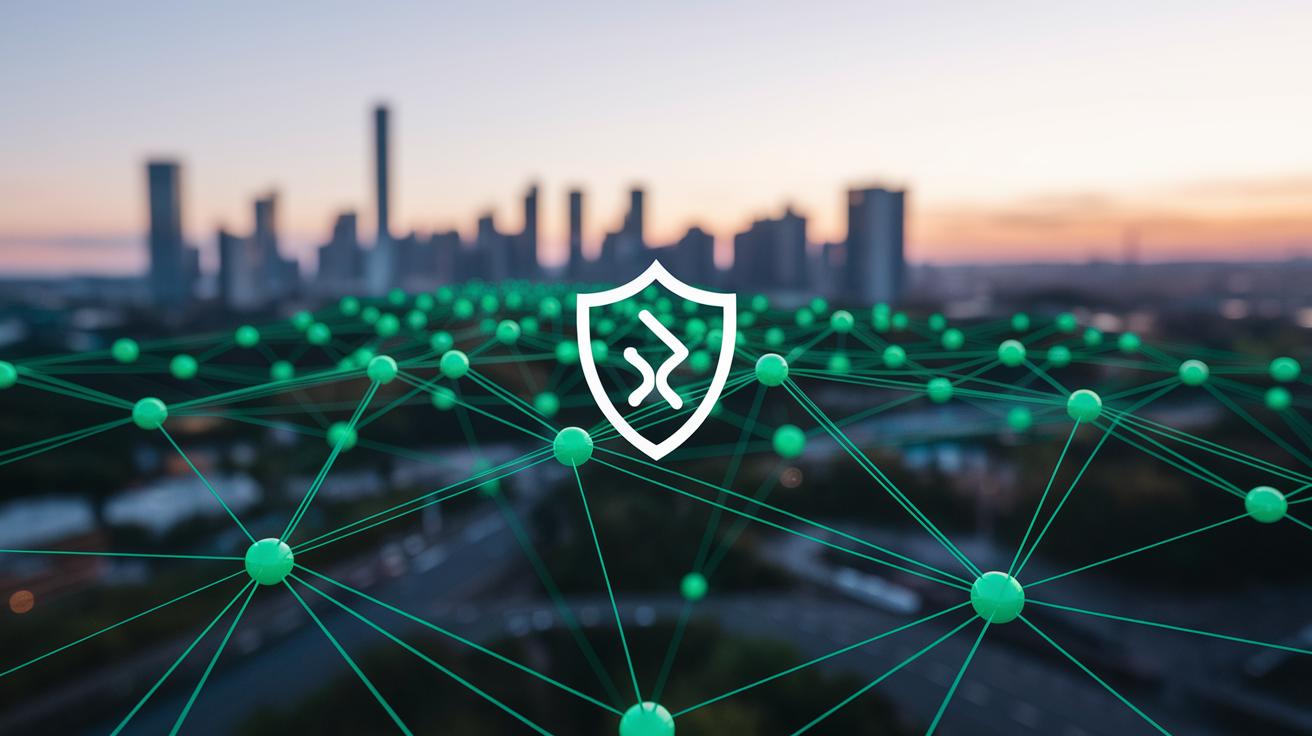
Blockchain pioneers are testing smarter ways to cut energy use and shrink carbon footprints. They’re running pilot programs that track carbon credits and verify eco-friendly supply chains. This proves that digital systems can be built with clear sustainability goals.
At the same time, experts are strengthening security with upgraded cryptographic methods and regular audits. These moves help spot vulnerabilities early and deploy better defenses. They protect data and keep each block secure against evolving cyber threats.
Combining green practices with solid security is changing how we trust blockchain networks. It gives everyone more confidence when a system cares about both the environment and data safety. In short, this smart mix creates a reliable, flexible blockchain ecosystem, ready for future innovations backed by transparency, security, and sustainability.
Forecasts for Blockchain Development Trends Through 2027
We’ve already looked at market projections, so let’s focus on fresh innovations in blockchain development. One big trend is moving toward modular system designs, breaking down key functions into separate layers. For example, think of it like upgrading a car's engine without needing to replace the transmission. This means each part can be improved without disrupting the whole system.
Merging smart systems with blockchain is also leading to smarter automation and clearer data. A modular approach makes it easy to roll out new features quickly and reliably by updating one layer at a time. Imagine adding a new security rule to just one part of your software, similar to updating a specific app feature rather than overhauling your entire phone’s system. This creates a smoother process for upgrades.
Developers now have the task of adapting protocols for these modular systems, which promises more flexible and secure deployments for businesses. Meanwhile, policymakers will need to adjust regulatory rules to keep pace with these fast-evolving tech trends.
Final Words
In the action, we traced blockchain development trends from cross-chain connectivity to AI-powered smart contracts. We broke down insights on market projections, eco-friendly consensus choices, and new regulatory paths. Every section served as a clear guide, from enterprise ledger deployments and tokenization benefits to distributed trust models and advanced security upgrades. These trends help professionals spot shifts and make timely, strategic decisions. Embrace this wave of innovation with optimism and the assurance that smart analysis fuels smart moves ahead.
FAQ
Q: What is blockchain and its key characteristic?
A: The blockchain is a decentralized digital ledger that records transactions without a central authority. It maintains data integrity using cryptographic methods, ensuring transparency and a secure record of actions.
Q: What does the blockchain development trends PDF highlight?
A: The blockchain development trends PDF highlights emerging development patterns, including cross-chain interoperability, AI integration, enterprise adoption, and eco-friendly models, all of which drive market growth and digital innovation.
Q: What are the latest trends in blockchain technology?
A: The latest trends in blockchain technology feature interoperable networks, AI-enhanced operations, enterprise-scale ledger deployments, real-world asset tokenization, and sustainable consensus models that enhance transactional efficiency and security.
Q: Is blockchain still relevant in 2025?
A: The blockchain remains relevant in 2025 by adapting with improved consensus mechanisms, regulatory clarity, and advanced transaction models that boost transparency and security across industries.
Q: What are new blockchain developments expected in 2025?
A: New blockchain developments in 2025 include advanced cross-chain protocols, eco-friendly consensus models, refined regulatory approaches, and further AI integration, together broadening business applications and market participation.
Q: What are Deloitte blockchain jobs?
A: Deloitte blockchain jobs focus on creating secure and efficient distributed ledger solutions for enterprises. They emphasize fraud reduction and enhanced transparency, offering dynamic career opportunities in emerging digital infrastructures.
Q: What is Blockchain.com?
A: Blockchain.com is a digital platform that serves as a wallet provider, market insights hub, and crypto exchange, making it easier for users to buy, sell, and store digital assets securely.
Q: What are some notable blockchain platforms and tools?
A: Notable blockchain platforms and tools include Ethereum and Solana for decentralized applications, XRP Ledger for fast transactions, Ledger for secure asset storage, and Coinbase as a leading platform for crypto trading and management.