

Have you ever wondered if the market’s mood can really guide your investments? We pull clues from current data and headlines to show how investors feel at any given moment. This mix of solid numbers and personal cues explains why simple economic signals, like steady GDP growth and low inflation, can boost optimism in trading decisions.
In this post, we break down how these indicators can help you make smarter choices with your portfolio. Think of it as a quick snapshot that might just point you in the right direction for your next step in the market.
Understanding Market Sentiment Analysis: Definition and Impact
Market sentiment analysis is a method that helps us understand how investors feel. It collects real-time clues, like news headlines and economic reports, to show us the market’s mood. Believe it or not, before computers took over, traders would chat face-to-face at their desks, quickly picking up on trends as they emerged.
In everyday practice, this analysis mixes hard data and personal insights. For example, factors such as GDP growth, inflation, and tax policies play a big role. When taxes are low and growth is steady, investors tend to feel upbeat. But when the numbers look bad, confidence can drop fast. Media reports also stir the pot, a string of positive articles might lead to a bubble, while harsh headlines can spark a wave of selling. Think of it as a snapshot that shows investor feelings at a given moment, helping guide smart portfolio decisions.
Investors use market sentiment analysis to adjust their strategies in line with larger economic trends. This approach provides clear, actionable insights that help avoid knee-jerk reactions. In a fast-moving world, knowing these signals can prepare you for market shifts, turning analysis into a real-world tool for managing daily financial ups and downs.
Key Market Sentiment Indicators and Metrics

Market sentiment indicators give us a quick look at how investors are feeling right now. They blend numbers from technical tools with trends picked up from social media. Think of them as a scoreboard for the market, showing whether investors lean more towards optimism or caution.
By checking real-time figures like the CBOE Volatility Index, these tools work much like a weather report before you head out. They help you see if market conditions are about to shift or stay the same. Basically, raw numbers become an easy-to-read mood study that guides our decisions. Here’s a look at some key indicators and what they mean:
- CBOE Volatility Index (VIX): Uses S&P 500 options to measure market volatility. A higher VIX means traders are feeling more nervous.
- Fear & Greed Index: Scores from 0 to 100. Low scores show extreme fear while high scores suggest a lot of greed.
- Put/Call Ratio: Compares put and call options. A high ratio might point to a bearish mood, while a low ratio hints at a bullish market.
- Bull/Bear Sentiment Surveys: These gather investor opinions. Changes here can signal shifts in market confidence.
- NASDAQ 52-week High/Low Ratio: Compares the highest and lowest stock prices over the past year. Narrow differences hint at steady confidence, while wider gaps suggest more volatility.
Investors mix these indicators with other market data. For example, if the VIX shows more nervousness but the Fear & Greed Index stays balanced, it tells us that market sentiment is more complex than it seems. This blend of technical signals and social cues helps us decide when to tweak our strategies or keep our course.
Market Sentiment Analysis Sparks Investor Optimism
Sentiment analysis taps into two main methods to understand market mood: simple rule-based models and advanced language processing tools. Rule-based models scan text using set rules, a bit like matching recipes with known ingredients. On the other hand, tools like BERT, which came out in 2018, learn from huge amounts of data and pick up on subtle signals, giving a richer picture of market feelings.
Experts also step in to add a human touch. They study tone, context, and little hints in financial news and social media. This hands-on approach often catches details that numbers alone might miss. For instance, you might come across a note that says, “Before the market opened, a sudden surge in investor chatter hinted at big moves ahead.” These real-word clues add depth to the overall analysis.
By blending rule-based checks with human insights, investors receive clear, data-supported emotion scores that line up with market trends. This mix not only helps predict stock moves linked to news or earnings but also boosts investor confidence, leading to smarter financial decisions.
Popular Tools and Software for Market Sentiment Analysis

Market sentiment analysis software is shaking up how investors catch the market vibe. More and more platforms now mix past data with live feeds to produce clear sentiment scores that help traders adjust their moves. They use quick automated vibe checks combined with machine learning mood models to turn everything, from survey responses to social media chatter, into useful insight. This new approach moves away from older ideas like the efficient market hypothesis, choosing instead a lively, data-driven method.
| Tool Name | Type | Data Sources | Key Features |
|---|---|---|---|
| AAII Sentiment Survey | Retail Polling | Investor Surveys | Monitors retail investor moods |
| Social Sentiment Live | Real-Time Feed | Social Media | Provides live sentiment updates |
| Semantic Visions | Hybrid Dashboard | Archived & Live Data | Blends historical trends with real-time insights |
These forward-thinking tools give investors fast, clear alerts so they can tweak their strategies in real time. They work with smart sentiment scores and mood models, which means traders get a much quicker read on market conditions. With automated vibe analysis, these platforms make it easy to spot market shifts and adjust plans on the fly, turning raw numbers into practical, everyday decisions.
Market Sentiment Analysis Workflow: Data Sources and Process
Market sentiment analysis uses real-time text data from many sources. It collects information from news articles, social media posts, financial reports, and customer reviews. We start by gathering raw data that shows current investor mood and market conditions.
After collecting the data, we clean it up just like you would wash and chop ingredients before cooking. This step removes unwanted noise, standardizes terms, and breaks the text into smaller pieces. Next, we pull out key phrases and language patterns to uncover the hidden emotions in the text.
Once we have the refined data, we use simple rule-based filters or machine learning models to sort it into positive, negative, or neutral categories. Finally, we connect the classified data to real-time APIs, ensuring continuous updates and a clear, dynamic view of market sentiment.
Here’s a quick look at the steps in the process:
- Data Collection: Gathering raw text from news, social media, financial reports, and customer reviews.
- Text Cleaning: Removing unwanted noise and standardizing the text.
- Feature Extraction: Spotting key patterns and language clues in the data.
- Sentiment Classification: Sorting the text into positive, negative, or neutral groups.
- API Integration: Linking the processed data with live feeds for constant updates.
Real-Time Monitoring and Dashboarding of Market Sentiment
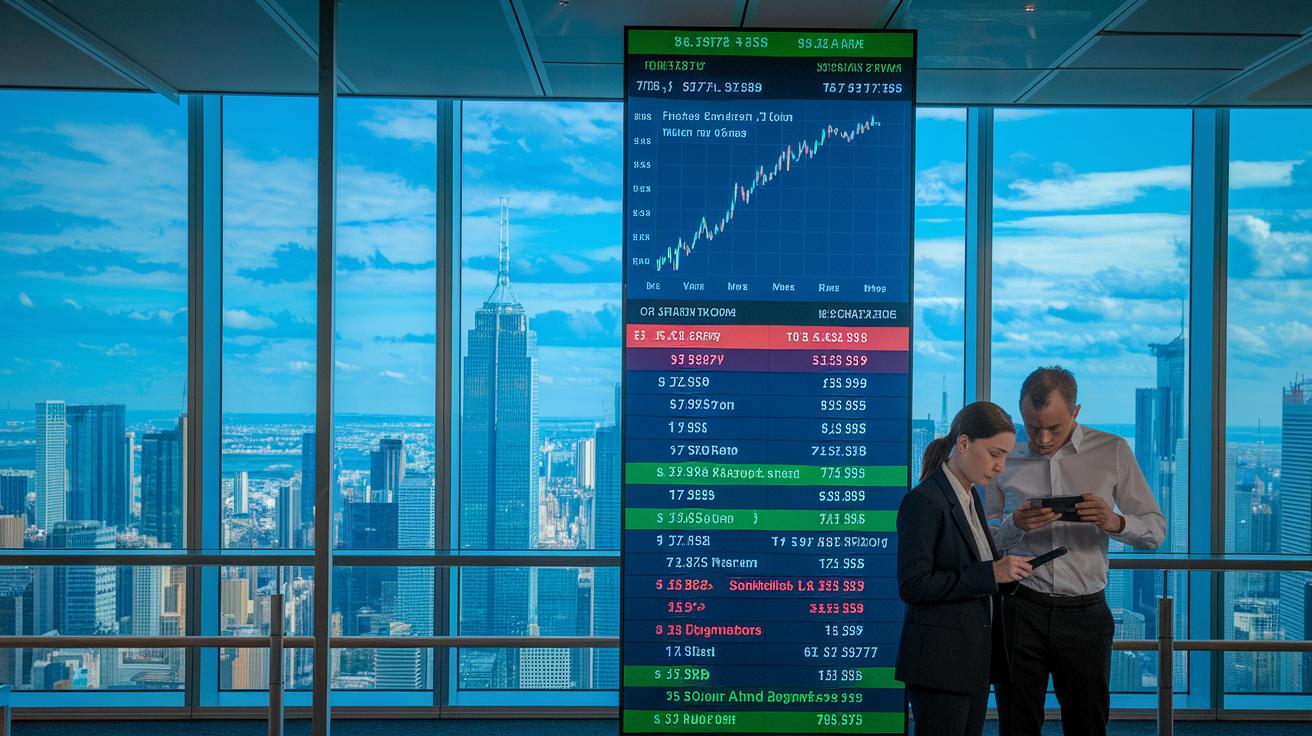
Market sentiment dashboards work like a live scoreboard for investors. They mix today’s mood scores with past data so you can easily see how the market has shifted over time. As news breaks or conversations change suddenly, the numbers update instantly. The design keeps things simple yet informative, so even quick changes in mood stand out at a glance.
By watching live mood readings alongside older data, investors can spot sudden shifts and adjust their positions fast. When you see a burst of nervousness or a wave of optimism, comparing it with long-term trends helps you decide if it’s just a quick reaction or the start of something bigger. This real-time monitoring is a practical tool that helps traders keep pace with ever-changing market patterns.
Applying Market Sentiment Analysis in Trading Strategies
Sentiment analysis helps traders avoid following the crowd. By checking market mood using both sentiment scores and technical indicators, investors can spot chances that more traditional methods might miss. A few simple tweaks based on investor feelings can turn quick insights into real gains.
Today’s strategies mix raw market data with AI-powered forecasting. Smart tools turn news headlines, social media chatter, and even earnings reports into clear, actionable data. So when companies announce earnings or new IPO hype builds, traders see a clearer picture of the overall market vibe.
These methods work in many situations. Traders use sentiment analysis not just to back up technical charts, but also to sense subtle shifts before big events hit. For instance, sudden geopolitical changes or bursts of social media activity can provide early clues that offer a real edge.
- Earnings-driven trades: Adjust positions when sentiment spikes around company earnings.
- IPO sentiment plays: Use online chatter to decide the right moment to join new public offerings.
- News-reaction strategies: Act quickly when breaking news shifts investor outlook.
- Social-media momentum trades: Leverage real-time trends to guide buy or sell decisions.
Risk control remains essential. Even with promising trends, unreliable data can give misleading signals. Investors combine sentiment insights with solid technical indicators and strong risk management practices, following established market risk guidelines to guard against losses. This careful approach keeps trading balanced in a constantly changing market.
Challenges and Limitations of Market Sentiment Analysis

Sometimes, messy data or small sample sizes cloud the true picture of market sentiment. Even the smartest models can get tangled up trying to pull real investor signals from a flood of confusing info. Imagine if your data only comes from a few sources or contains conflicting details; the sentiment score might end up sending you in the wrong direction.
Market behavior can be as unpredictable as a sudden weather change. Investor moods shift quickly because of unexpected news or external shocks that models just can’t catch. No tool can nail the exact moment of market crashes or rallies. This mix of uncertainty and fluctuating sentiment means traders often blend hard data with their own gut feelings to navigate the market's ups and downs.
Final Words
In the action, we explored how market sentiment analysis explains the moods driving investor decisions. We broke down key indicators, methods, and the workflow from gathering data to real-time monitoring. The discussion also illustrated the role of software tools and practical trading strategies that blend numbers and words. Each piece of the process works together to guide smart decision-making amid shifting market vibes. This insights-driven approach helps you stay on top of trends and make data-led updates with confidence. Stay positive and ready to seize your next smart move!
FAQ
Market sentiment today
The phrase “market sentiment today” reflects the current investor mood, which can be gauged using indicators like volatility indexes and media trends to signal prevailing optimism or caution.
Stock market sentiment analysis
Stock market sentiment analysis examines investor feelings by measuring data from news, social media, and market activity. This method helps traders decide when to buy or sell based on market moods.
Market sentiment indicators
Market sentiment indicators are tools that track investor mood. They include volatility indexes, put/call ratios, and sentiment surveys, each offering insights into whether investors lean bullish or bearish.
Market sentiment indicator TradingView
Market sentiment indicator TradingView involves custom charts and technical tools that display investor mood in real time. These indicators help traders spot shifts and make well-informed decisions.
Stock market sentiment analysis GitHub
Stock market sentiment analysis on GitHub features open-source projects using algorithms and natural language processing. These projects analyze news, social media, and market data to understand investor behavior.
Market sentiment meaning
Market sentiment meaning refers to the collective mood of investors, which is influenced by economic news, political events, and market trends. This mood helps shape trading behaviors and market movements.
Market sentiment website
A market sentiment website provides live data and analysis on investor moods through charts, scores, and news feeds. It serves as a tool for tracking current trends and potential market shifts.
Fear and Greed Index crypto
The Fear and Greed Index for crypto measures investor emotions from fear to greed. It offers a quick view of market extremes, helping traders spot potential buying or selling opportunities.
How often does a 20% market correction happen?
A 20% market correction typically happens every few years. While timing varies with market conditions, historical trends suggest these corrections occur as part of normal market cycles.
What is the 7% rule in stock trading?
The 7% rule in stock trading advises traders to cut losses or secure profits when a stock moves approximately 7% from its entry point. This rule supports disciplined risk management.
Can I use ChatGPT for sentiment analysis?
You can use ChatGPT for sentiment analysis by processing text data to gauge market mood. However, it works best when paired with real-time market data and specialized analytical tools.
What is the best market sentiment indicator?
The best market sentiment indicator depends on your strategy and goals. Many traders combine indicators like the VIX, put/call ratios, and investor surveys to gain a balanced view of market sentiment.