

Have you ever noticed how prices can quickly jump or drop? It's all about market sentiment, the mood that keeps the market alive. When investors feel upbeat about risk, prices might soar, but when they get nervous, things can fall just as fast.
Good news can spark a buying frenzy, much like a sudden burst of energy that sends traders rushing to grab opportunities. On the other hand, a negative report can lead to a flurry of selling as people try to avoid further losses.
In this post, we take a closer look at how traders' moods steer market trends in real time. By understanding these shifts, you can make more informed, smarter trading choices.
Defining Market Sentiment in Financial Markets
Market sentiment is simply the overall mood investors have about risk assets at any given moment. It shows whether they expect prices to go up or down and mixes the feelings of both traders and investors. Macroeconomic factors like GDP growth, tax policies, and innovation trends can shift this mood. For example, solid GDP numbers might spark optimism, leading many to buy assets and push prices higher. But when economic reports disappoint or tax rules become murky, a wave of bearish sentiment often causes investors to hurry and sell off their holdings.
Bullish sentiment means most investors believe asset prices are bound to rise, so they buy more, which in turn drives prices up further. Conversely, when investors expect prices to drop, bearish sentiment sets in, and they start selling, which can drag market values down. Imagine a trader reacting to unexpected good news about new technologies: when innovation is on the rise and economic forecasts brighten, many switch to a bullish outlook, believing prices will climb soon. By paying attention to these shifts, traders can better understand market movements and tailor their strategies to benefit whether the mood is optimistic or cautious.
Market Sentiment and Price Dynamics in Trading
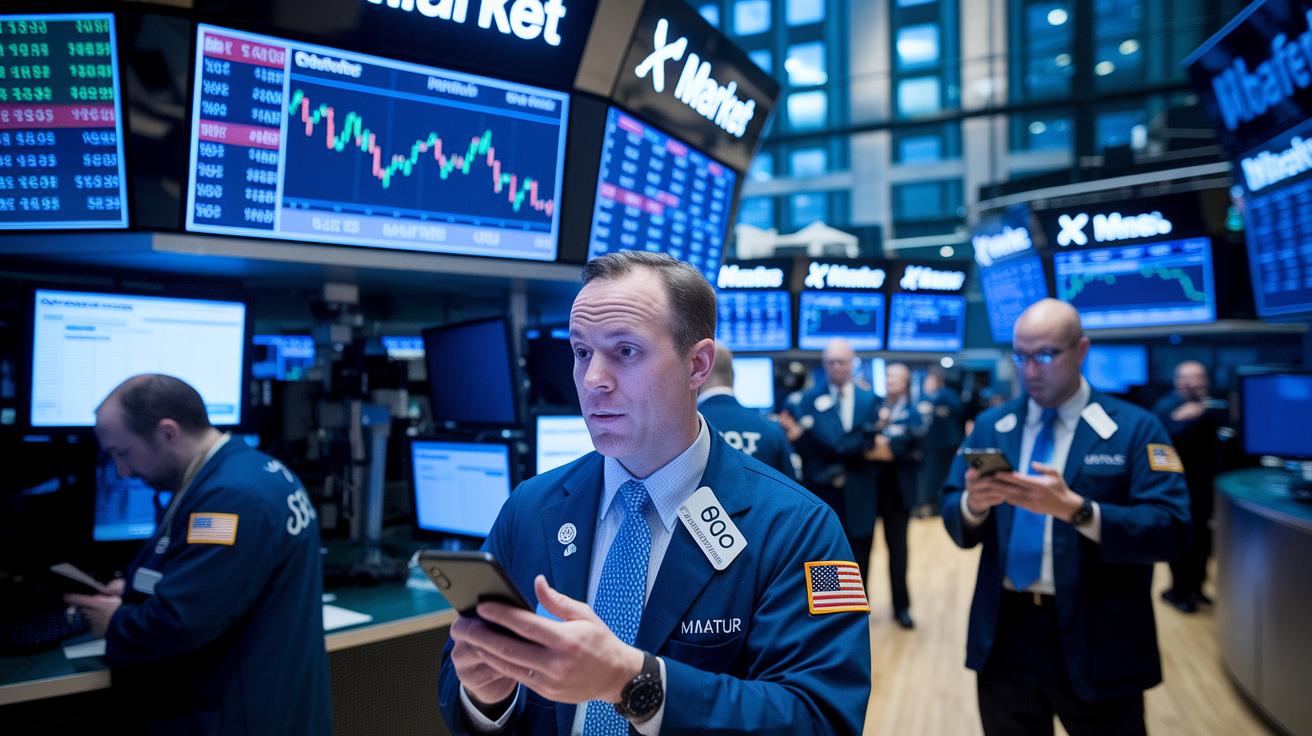
Market sentiment is the heartbeat that drives asset prices. When traders see signs of a bullish market, they often rush to buy, pushing prices up quickly. On the flip side, a bearish outlook can spark mass sell-offs and sharp declines.
Indicators like the Fear Index (VIX) are key to understanding this sentiment. The VIX tracks the expected fluctuation in S&P 500 options over the next 30 days, almost like checking the pulse of trader anxiety. A rising VIX usually means that worry is spreading, while a falling VIX might signal that confidence is growing.
Another useful tool is the Put-Call ratio. It compares the number of bearish bets to bullish ones. A high ratio shows that many traders are feeling negative, while a low ratio suggests a more optimistic mood. Traders also keep an eye on the NYSE High/Low Index, which measures how often new highs or lows are set on the trading floor. This gives a clear picture of extreme market moods.
For a long view, many look at the 200-day moving average. This tool smooths out daily ups and downs and shows whether the overall trend is up or down. When this average trends upward, it can encourage buyers to jump in. But if it moves downward, traders might brace for further falls.
Using these simple but powerful indicators, traders can adjust their strategies and react with confidence to changes in the market.
Sentiment Analysis Methods for Traders
Traders and analysts use many simple methods to learn how the market is feeling in real time. One common approach is checking surveys like the AAII Sentiment Survey. This weekly survey asks investors about their views, giving a clear look at whether traders feel optimistic or cautious. Sometimes you might hear a trader say, "I noticed a jump in bearish responses this week, so I rethought my portfolio mix."
Social media and news headlines also count a lot. Analysts use natural language processing to sift through trader comments and news stories, picking up on small shifts in tone that could show rising worry or growing hope. Imagine reading a forum post where investors are excited about quick wins, it might hint at a bullish trend before the market adjusts.
Options market tools add another layer to the picture. The VIX, which many call the Fear Index, updates daily and shows the expected ups and downs of S&P 500 options over the next 30 days. Similarly, the Put-Call ratio compares bearish and bullish option volumes each day, offering a snapshot of market sentiment. These indicators give a real-time sense of whether traders feel nervous or confident.
There are also composite measures like the Fear & Greed Index. This tool blends price momentum, volatility, and safe-haven demand to create a single score that reflects the overall mood of the market. By comparing today’s data with historical patterns, traders may spot trends that have led to big reversals before.
| Indicator | Description | Data Frequency |
|---|---|---|
| VIX | Implied volatility of S&P 500 options over next 30 days | Real-time |
| Put-Call Ratio | Volume ratio of put to call options | Daily |
| NYSE High/Low Index | New highs vs. new lows on NYSE | Daily |
| Fear & Greed Index | Composite gauge of market emotions | Daily |
| AAII Sentiment Survey | Self-reported bull/bear outlooks | Weekly |
By keeping an eye on these key indicators, traders can adjust their strategies with clear, real-time insights into the market's mood.
News, Policy Signals, and Market Sentiment Shifts
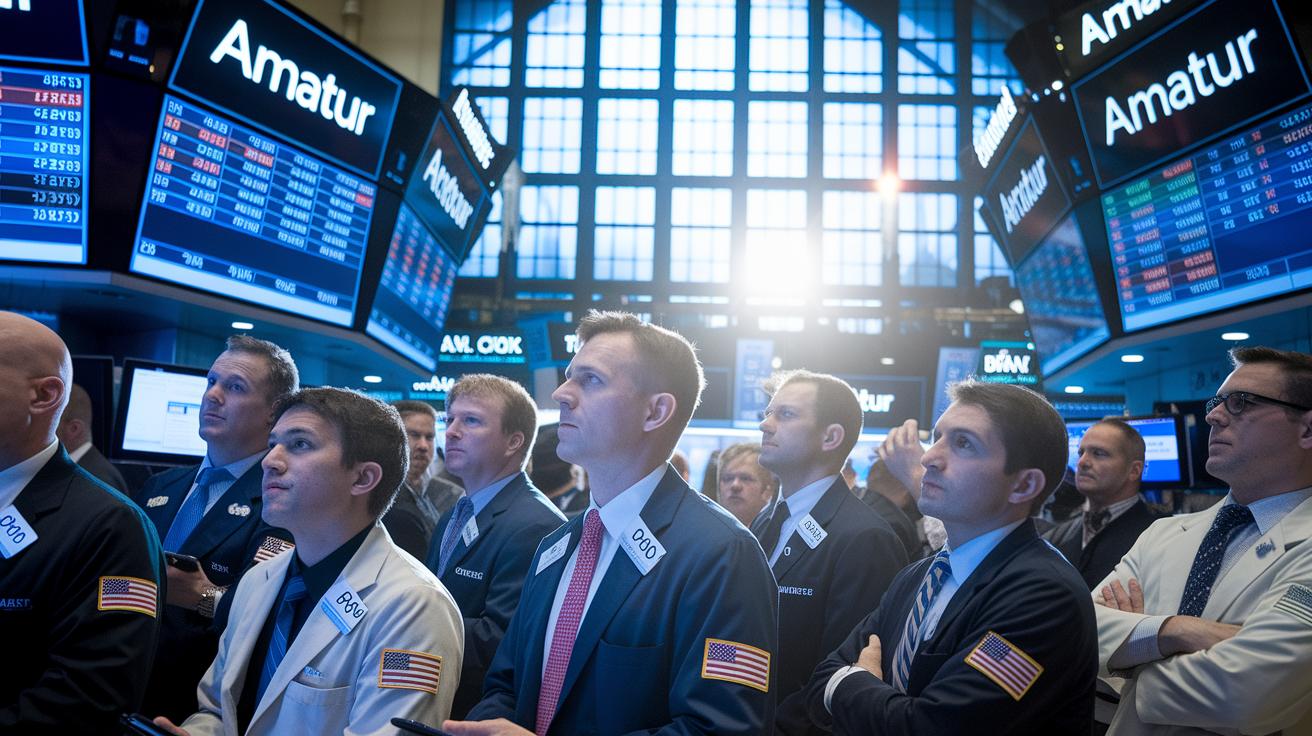
Media coverage plays a big role in shaping investor moods. When the news highlights strong economic growth or exciting innovations, optimism often picks up and can even boost prices. For example, after several encouraging earnings reports, investors once pushed stock prices to all-time highs in just a few days. But when negative news floods in, it can spark panic selling and add to market swings.
Economic fundamentals like GDP growth, inflation, and tax adjustments also have a strong impact. Low taxes paired with steady growth usually lift investor spirits, while high inflation or political uncertainty tends to dampen them. Central bank moves and basic monetary policy steps send signals that can either soothe or unsettle the market.
Looking at different countries shows that clear rules and an easy business environment build trust. Markets operating under stable policies and efficient systems often inspire more investor confidence. In this fast-paced world, keeping up with both the news and economic signals is key to making smart trading moves.
Applying Market Sentiment in Investment Strategies
Investors now lean on live sentiment signals to decide when to enter or exit the market. They weave these insights into their decisions so they can quickly adapt when market moods shift. For example, when volatility rises and surveys turn negative, some investors see a chance to trade against the grain, spotting a potential buying opportunity.
Companies also factor in market mood to adjust their growth plans. They balance long-term prospects with what’s happening right now in the market. One tech firm took advantage of low labor costs and strong innovation ratings in Vietnam to keep growing despite challenges. They compare current market data with past trends to tweak their risk levels, especially when fear makes the market swing strongly.
Portfolio managers use these mood checks to tell if the market has swung too far one way. By sharpening their sentiment strategies, they spot the right moments to benefit from brief mispricings. Many traders buy when fear runs high and sell when confidence seems overblown. Regularly checking these indicators helps them manage risks and keep their portfolios well-balanced.
Final Words
In the action, this post broke down what is market sentiment and how trader moods drive price moves. It explained the basic concepts of bullish and bearish mindsets, introduced key sentiment indicators like the VIX and NYSE High/Low Index, and highlighted methods to gauge market mood.
We looked at how economic news and policy shifts shape investor outlook, and discussed ways to factor these signals into smart strategies. The insights shared offer a clear path to understanding market dynamics and making sound financial choices.
FAQ
What does market sentiment today and in the stock market mean?
Market sentiment today means the overall mood of investors regarding buying or selling assets. It reflects current investor feelings and expectations about market trends.
What is a market sentiment example and what does it illustrate?
A market sentiment example is when rising buyer activity due to positive news drives prices upward. This shows how an optimistic mood can influence trading decisions.
What market sentiment indicators, including TradingView tools, are available?
Market sentiment indicators include tools such as the VIX, Put-Call ratio, and NYSE High/Low Index. TradingView offers similar indicators to track investor mood in real time.
How do you analyze market sentiment and what methods are used?
Analyzing market sentiment involves studying technical signals, survey data, and media trends. Tools like the Fear & Greed Index and AAII survey help traders gauge overall investor mood.
What is a market sentiment synonym that explains investor mood?
A market sentiment synonym is investor mood. It describes the overall feeling of optimism or pessimism among participants in the financial markets.
How is market sentiment used in forex trading?
In forex trading, market sentiment is used to time entries and exits by indicating whether traders are generally optimistic or fearful. These cues help forecast currency movement.
How reliable is market sentiment for making trading decisions?
Market sentiment reliability varies because it includes subjective factors. It is most effective when combined with other technical and fundamental analysis methods for a balanced view.