

Ever wonder why prices sometimes get out of control? When the economy heats up too fast, central banks step in with a smart fix: contractionary monetary policy. They raise interest rates and tighten the flow of money, which helps slow down spending.
This approach protects everyday buyers from sudden, steep price hikes. It shows that well-timed policy moves can keep our wallets safe even during wild market swings.
How Contractionary Monetary Policy Works to Curb Inflation

Contractionary monetary policy is a method used to cool down an overheated economy by taking money out of circulation. When an economy grows too fast and pushes up prices, everyday goods start costing more. Have you ever noticed how these rising prices can make life tougher for consumers? This policy helps central banks keep prices stable when growth gets too intense by tightening how much money is available.
The approach uses a few key tools that work together. First, when central banks raise short-term interest rates, borrowing becomes more expensive. This means both people and businesses hold back on loans and investments. Next, higher reserve requirements make banks keep more cash on hand rather than lending it out. And by selling government securities in open-market operations, central banks take extra money out of the economy. All of these measures work together to slow spending and ease inflation.
The three main goals of contractionary monetary policy are:
- Lowering inflation levels
- Stabilizing prices when they start to rise
- Slowing down the rate at which money grows in the economy
Key Instruments of Contractionary Monetary Policy

Policymakers often switch up their strategies based on local needs and economic cycles. In the early 1980s, when prices were soaring, the US Federal Reserve quickly raised interest rates. Even Paul Volcker, who later became a famous economist, felt the heat as his bold policies reshaped American finance. These real-life examples show that while these measures can help keep inflation in check, they also come with their own challenges.
Sometimes, these contractionary moves lead to unexpected credit tightening. For example, emerging markets might increase reserve requirements with larger margins to fit their specific needs. And central banks often tweak bond sales during different periods to control liquidity without halting growth.
| Tool | Mechanism | Effect | Additional Insight |
|---|---|---|---|
| Interest-rate hikes | Raises the cost of borrowing | Reduces consumer and business loans | Widely used in the US during volatile inflation periods |
| Reserve requirement increases | Forces banks to hold extra reserves | Limits bank lending capacity | Often adjusted in emerging markets to suit local conditions |
| Open-market operations (sales) | Central bank sells government bonds | Contracts overall money supply | Modified across cycles by European central banks to balance growth |
In short, decision-makers need to use these tools with great care. Removing too much liquidity can shrink credit availability and slow down the economy.
Economic Impacts of Contractionary Monetary Policy

Contractionary monetary policy is a tool used to keep prices stable by making loans more expensive. When interest rates go up, both people and businesses find it costlier to borrow money. So, while prices stay steady, spending drops and the overall speed of the economy slows down. It's a bit like turning down a water tap; fewer dollars flow into the market, which tames inflation but leaves less capital for everyday use and new investments.
When credit tightens, its impact reaches far and wide. Businesses may have trouble getting the funds they need, which means they might cut back on production or delay hiring new staff. At the same time, consumers tighten their belts as they face higher costs to borrow money. This cautious approach can lead to a market that feels uncertain and sometimes even a bit volatile. You might have seen such effects ripple across financial markets worldwide. Essentially, as money becomes scarcer, it influences job growth and slows down the pace at which companies innovate and expand.
All in all, these tighter lending conditions tend to slow economic growth by lowering real GDP and pushing companies to postpone important projects.
contractionary monetary policy fuels economic stability

Past episodes show that tightening measures can stabilize an economy. When inflation rises, central banks step in with familiar tools like raising interest rates, tweaking reserves, and selling government bonds.
Studies from recent years back this up. Whether used as a precaution or in response to a surge in inflation, these policies seem to work across different economic situations.
Still, it's not all smooth sailing. While these measures help keep prices in check, they often come with a rise in unemployment and slower growth. Lower prices boost consumer confidence, but the downside can be a drop in business activity. Central banks have to walk a fine line between keeping inflation low and supporting job growth.
A central bank's reputation often hinges on how well it handles these tightening cycles. When policymakers clearly signal their plans, markets tend to adjust without a hiccup, which helps build trust. But if the measures feel too extreme or come at the wrong time, confidence can take a hit and the economy might slow down even more. History reminds us that a careful, open approach can really help maintain economic stability over the long haul.
Contractionary vs Expansionary Monetary Measures

When it comes to monetary policy, contractionary and expansionary measures act as natural opposites. Contractionary tools push up the cost of borrowing and pull extra cash from the system. In contrast, expansionary tactics lower borrowing costs and add liquidity, giving the economy a boost. Each approach distinctly affects spending, inflation, and overall economic energy.
Contractionary Measures: Define objectives and recap core tools
Contractionary measures work to slow the economy down to keep inflation in check. By hiking up short-term interest rates, central banks make loans more expensive for both individuals and businesses, which in turn cuts back on spending. They also increase banks’ reserve requirements, causing banks to hold onto more deposits rather than offering loans. And when central banks sell government securities, they pull even more cash from circulation. These combined steps help ease rising prices, but they can also slow investment and job growth.
Expansionary Measures: Outline inverse goals and instruments
Expansionary policy takes the opposite route. Its aim is to drive economic growth by lowering interest rates, making it cheaper for people and companies to borrow money. This method puts extra cash into the economy, often by buying government bonds through open market operations. Lower costs spur spending and help create jobs, boosting consumer demand and overall economic activity.
Fiscal policy, on the other hand, shifts gears by changing taxes and government spending instead of tweaking interest rates, a strategy often seen in financial regulation and compliance practices.
Graphical Analysis of Policy Tightening Effects
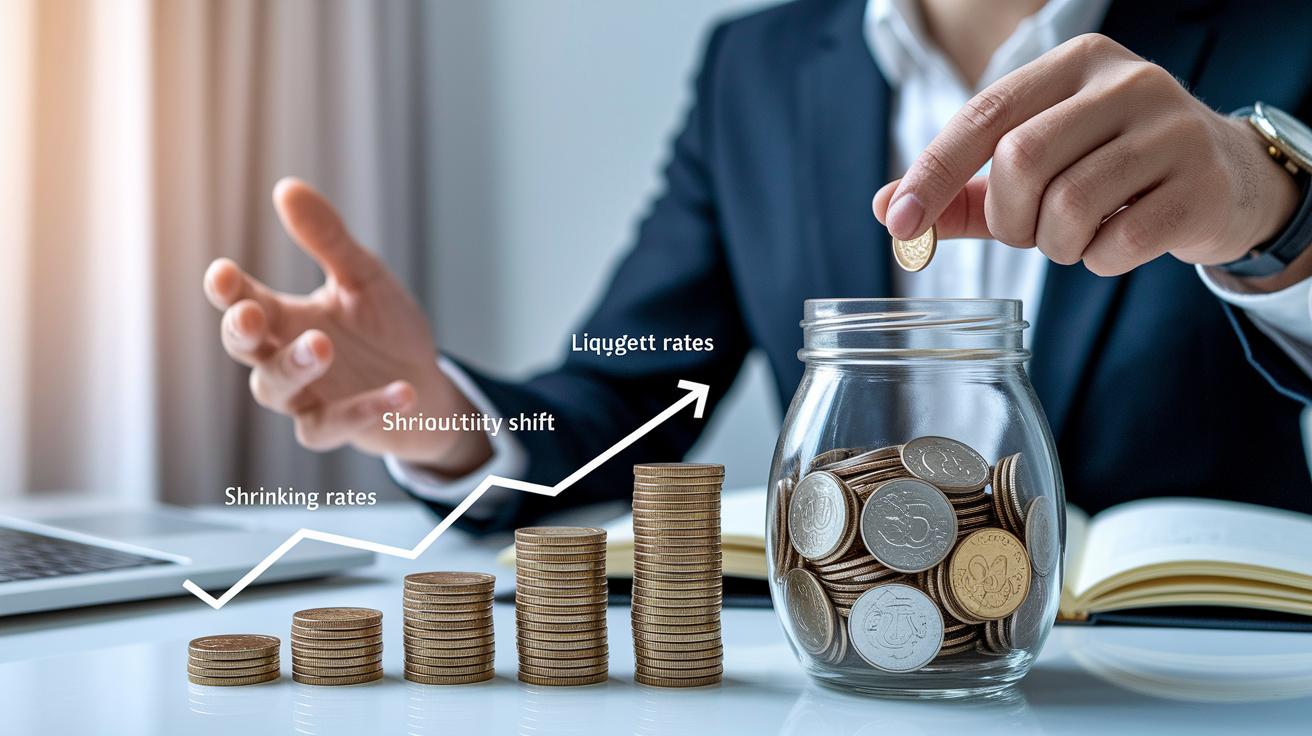
Imagine clear, simple diagrams that break down how policy tightening works. Analysts often use money-supply curves and flow charts to show a leftward shift in liquidity. This means that as available funds shrink, interest rates climb and output falls. Think of it like having less money in the jar, making loans pricier and slowing down spending.
These visuals highlight the key ways policies affect the economy. For example, the interest-rate channel shows that rising rates directly push up borrowing costs. Meanwhile, the credit channel explains how banks lend less, which holds back investment. In addition, the asset-price channel tracks changes in asset values when liquidity tightens. Such straightforward pictures help business leaders and policymakers see how contractionary measures can ripple through different parts of the economy.
Moreover, research supports these diagrams. Studies show that the full effect of policy changes usually takes about six to eighteen months to show up. Diagrams outlining these delays provide a clear timeline, linking policy moves with later shifts in consumer habits, investment activity, and overall market behavior. This offers practical insight into how and when these tightening measures make a real impact.
Implementation Challenges for Central Bank Tightening Actions
Central banks often face delays when tightening policies. They might raise rates or bump up reserve requirements, but the full impact can take months to show. This gap puts markets on edge, with even small signals sparking unexpected jitters.
Market reactions can be just as unpredictable. As money is pulled from circulation, banks and investors may quickly adjust asset values and lending practices. These rapid shifts can ripple through sectors that weren't the main focus of the policies, making forecasts even tougher.
There's also the risk of going too far. Poor timing might drain liquidity more than needed.
In the end, central banks walk a fine line as they try to control inflation while still supporting job growth.
Final Words
In the action, the blog post highlighted how contractionary monetary policy works to curb surging inflation. It covered core tools like short-term rate hikes, higher reserve requirements, and selling government securities that help reduce money supply. The discussion also unpacked the economic trade-offs, including slower growth and fluctuating market reactions, and drew lessons from past tightening episodes. Overall, the analysis makes it clear that well-informed adjustments to policy can promote stability and confidence in the market. Stay positive and keep learning about these vital measures.
FAQ
What are some examples and tools used in contractionary monetary policy to reduce inflation?
The contractionary monetary policy examples include raising short-term interest rates, increasing reserve requirements, and selling government bonds. These methods work by reducing the money supply, which in turn curbs inflation.
What is expansionary monetary policy?
The expansionary monetary policy increases the money supply by lowering interest rates and purchasing government bonds, aiming to boost economic growth and encourage higher spending.
What is the difference between contractionary and expansionary monetary policy?
Contractionary monetary policy reduces the money supply to curb inflation by raising rates and limiting loans, while expansionary policy increases the money supply to stimulate growth and enhance spending.
What are the pros and cons of contractionary monetary policy?
The advantages of contractionary monetary policy include lower inflation and more stable prices. The drawbacks may involve slower economic growth, reduced borrowing activity, and a potential rise in unemployment.
What does a contractionary monetary policy diagram show?
A contractionary monetary policy diagram typically shows a leftward shift in the money supply curve, leading to higher interest rates and lower output, clearly illustrating how tighter policy reduces economic activity.
What is meant by a contractionary monetary policy Quizlet?
A contractionary monetary policy Quizlet usually refers to an online study resource that explains key terms and concepts related to policy tightening, such as rate hikes and open-market operations.