

Have you ever thought about how low interest rates can give a sluggish economy a boost? It’s like giving both banks and families easier access to money. This extra cash fuels spending and investment and can really light a fuse under growth.
Imagine it as that gentle push that keeps the engine of the economy running smoothly. In this article, we’ll break down clear examples, from big cuts in discount rates to massive asset purchases, that show how these smart moves drive everyday growth and help steer economies toward a brighter future.
Central Bank Easing Initiatives: Top Expansionary Monetary Policy Examples

Expansionary monetary policy is all about making it easier for banks and households to borrow money. In simple terms, central banks lower interest rates and buy assets to inject fresh funds into the economy. This helps kickstart spending and investment, setting the stage for a more energetic market.
At its core, the idea is to loosen up credit, so businesses and consumers can get loans more easily. This increased lending often sparks a chain reaction of spending that can help lift the economy. For example, consider when the Fed cut discount rates in 2007–08, the PBOC trimmed reserve requirements and lowered rates in 2009–10, and the Fed launched its quantitative easing program starting in 2012.
Each of these actions shows a different way to ease credit. The Fed’s deep discount-rate cuts provided banks with affordable funds during tough times. Meanwhile, the PBOC’s rate and reserve requirement cuts freed up capital, encouraging lending and investment. And with the Fed’s open-ended quantitative easing starting in 2012, massive liquidity was injected into the economy to tackle high unemployment and spur growth.
In the end, this mix of methods shows that while the tools may differ, the common goal is clear: to pull economies out of downturns and support lasting expansion.
Interest Rate Cuts as Expansionary Monetary Policy Examples

Between mid-2007 and late 2008, the Fed dramatically lowered its discount rate from 5.25% to 0.25%, giving banks access to low-cost funds right when the economy was struggling. This deep cut made borrowing cheaper, so banks could offer more affordable loans to families and businesses alike.
They held this rock-bottom rate for seven years, which meant credit was easier to get. This steady environment helped boost lending and gave the economy a reliable path to recovery.
The Bank of England took a similar approach. By early 2009, it dropped its policy rate to about 0.5% to encourage more borrowing and spending by consumers. This rate cut aimed to spark credit growth and drive overall demand, clearly showing how these moves can help soften economic slowdowns.
Isn't it interesting how small shifts in interest rates can open doors for growth, even in tough times?
Quantitative Easing Effects: Expansionary Monetary Policy Examples
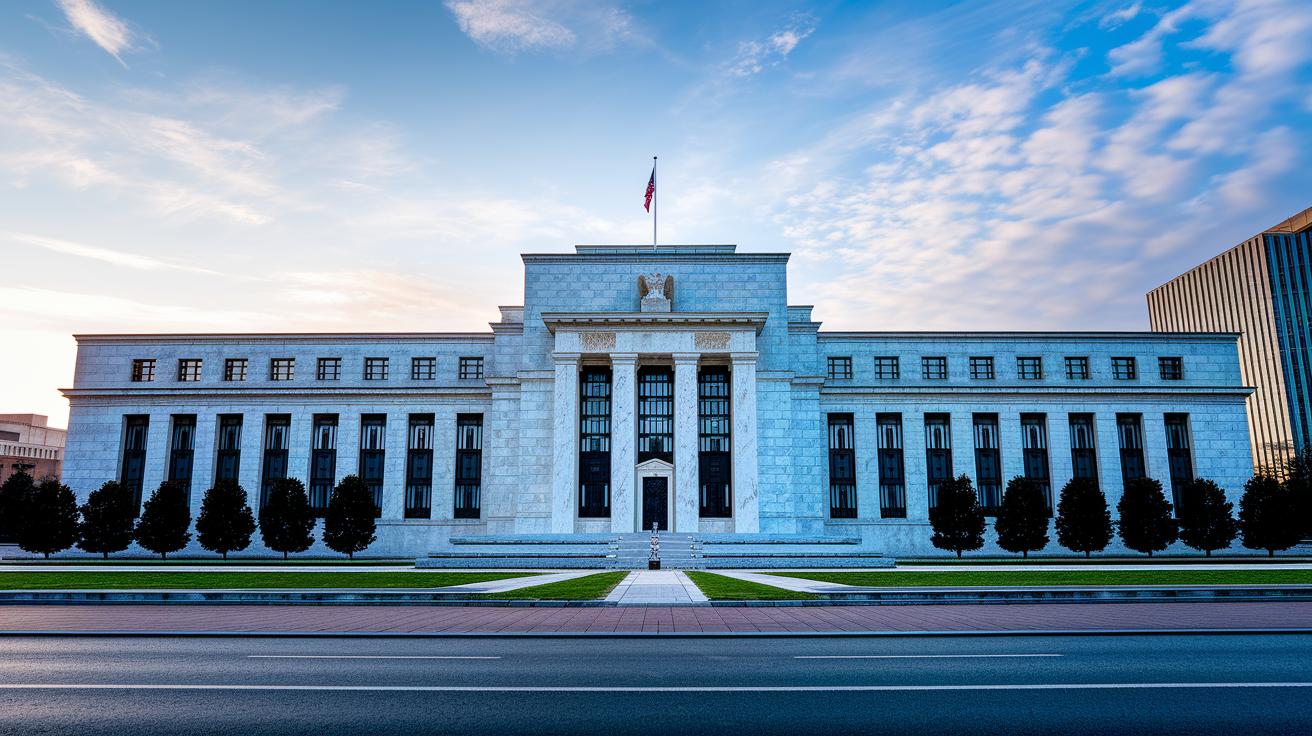
Back in September 2012, the Fed stepped in when job losses were mounting. They kicked off what many call QE3 by launching an open-ended plan to buy mortgage-backed securities, injecting about $40 billion each month. This move was all about adding cash to the financial system, lowering long-term interest rates, and sparking spending when unemployment was soaring above 8% and almost 10%. Think of it like a steady infusion of money that helps banks lend more and businesses invest in growth.
Within just a few months, market sentiment shifted noticeably. The Fed increased its monthly purchasing pace to $85 billion, showing a no-nonsense approach to tackling unemployment head-on. Investors, banks, and everyday borrowers quickly noticed as borrowing costs dropped, making it easier for everyone to access financing. This extra cash not only eased credit conditions but also boosted confidence in a slowly recovering economy. It’s a great example of how a well-timed quantitative easing effort can help jump-start growth during tough times.
| Program | Start Date | Initial Monthly Injection | Increased Injection | Primary Objective |
|---|---|---|---|---|
| QE3 | Sept 2012 | $40 B MBS | $85 B total | Reduce unemployment (8–10%) |
Reserve Requirement Ratio Adjustments in Expansionary Monetary Policy Examples

Banks are required to keep a certain amount of money in reserve instead of lending it all out. This rule helps limit how much money is available for business and consumer loans. When these requirements are relaxed, banks can lend more and create extra credit. More lending means more funds for projects, increased job opportunities, and support for household spending. Picture a bank that has extra cash and offers lower-cost loans for a community center or a modest home purchase, these moves help the economy grow.
Between 2009 and 2010, the People’s Bank of China lowered the reserve requirement and cut interest rates. This decision unlocked a lot of money for lending at a time when the economy needed help. Banks gained more freedom to offer business loans and fund projects that would help the economy bounce back. In short, these steps helped stabilize economic activity by boosting the flow of credit and encouraging investments that spurred growth during tough times.
Expansionary monetary policy examples Spark Economic Growth

Helicopter money involves sending cash straight to households. It skips the usual bank route so people can spend immediately. It’s like getting an unexpected paycheck that fuels buying goods and services. This approach is used when normal policies aren’t enough and quick help is needed.
Other creative methods include using negative interest rates and forward guidance. Central banks might choose these options even when inflation is running high if they worry about a deep recession. These tools encourage lending and investment when regular rate cuts just don’t do the trick, keeping overall demand steady in tough times.
Outcomes of Expansionary Monetary Policy Examples: Growth, Inflation, and Market Effects

Growth Acceleration Outcomes
Central banks have used tools like rate cuts, quantitative easing, and adjusting reserve requirements to spark real economic improvement. For example, the Fed’s actions helped drop U.S. unemployment from nearly 10% during the crisis to under 8%, which pushed up GDP growth and boosted hiring. Over in China, the People’s Bank made targeted moves in 2009–10 that increased lending and lifted fixed-asset investments. By making credit more available, these policies boosted business confidence and spurred consumer spending. Sure, they weren’t a cure-all, but the extra liquidity kept the economy moving during tough times.
Inflation and Market Effects
At the same time, the flood of liquidity did more than just boost growth, it also stirred inflation trends and market behavior. This extra money often pushed asset prices higher, leading to market swings and subtle adjustments that sometimes disrupted balance. Although these measures were meant to kick-start growth, rate cuts alone couldn’t completely tame inflation or market volatility. Curious to see how these tools stack up? Check out
Tools of Monetary Policy. This situation shows just how carefully central banks must balance boosting growth and keeping inflation in check.
Final Words
In the action, we explored expansionary monetary policy examples through central bank easing initiatives. The post broke down key strategies like rate cuts, QE injections, and reserve ratio adjustments. These real-world cases show how easing measures work to boost liquidity and encourage growth. They offer clear, data-driven insights into how such policies support economic recovery and shape market trends. Let these examples inspire smart, timely decisions as markets continue to shift in today’s dynamic economic climate.
FAQ
What is expansionary monetary policy definition?
The expansionary monetary policy means using tools like rate cuts and asset purchases to boost spending and lower unemployment. It increases money supply to spur growth and economic activity.
What is an example of expansionary monetary policy?
An example is when the Fed reduced its discount rate from 5.25% to 0.25% between 2007 and 2008, lowering borrowing costs to encourage more lending and stimulate recovery.
What is the expansionary monetary policy of the United States?
The U.S. policy includes lowering interest rates, open market operations like quantitative easing, and other measures aimed at increasing liquidity, reducing unemployment, and stimulating economic growth.
What are three examples of contractionary monetary policy?
Three examples include increasing interest rates, raising banks’ reserve requirements, and reducing asset purchases, all designed to slow down spending and curb inflation in an overheating economy.
What is a real-life example of expansionary fiscal policy?
A real-life example is when governments boost spending or cut taxes to drive demand and support employment, such as during economic downturn recoveries to inject financial support into the economy.
How does the discount rate factor into expansionary monetary policy?
The discount rate is lowered so banks can borrow funds at a cheaper rate, which encourages lending, increases money supply, and ultimately drives economic activity and growth.