

Ever wonder how a few smart moves can lift our economy? Monetary policy is a bit like turning a dimmer switch on a light. A little tweak can brighten things up significantly.
Central banks use tools such as open market operations, reserve adjustments, and discount rate changes to keep money flowing, stabilize interest rates, and boost growth. They’re essentially fine-tuning the economy, much like adjusting the brightness on your favorite lamp.
In this article, we break down how these simple tools create stability and drive progress. Have you noticed how a small adjustment can ripple through the whole system? It’s a subtle yet powerful way our financial setup works.
Key Monetary Policy Tools for Managing the Money Supply
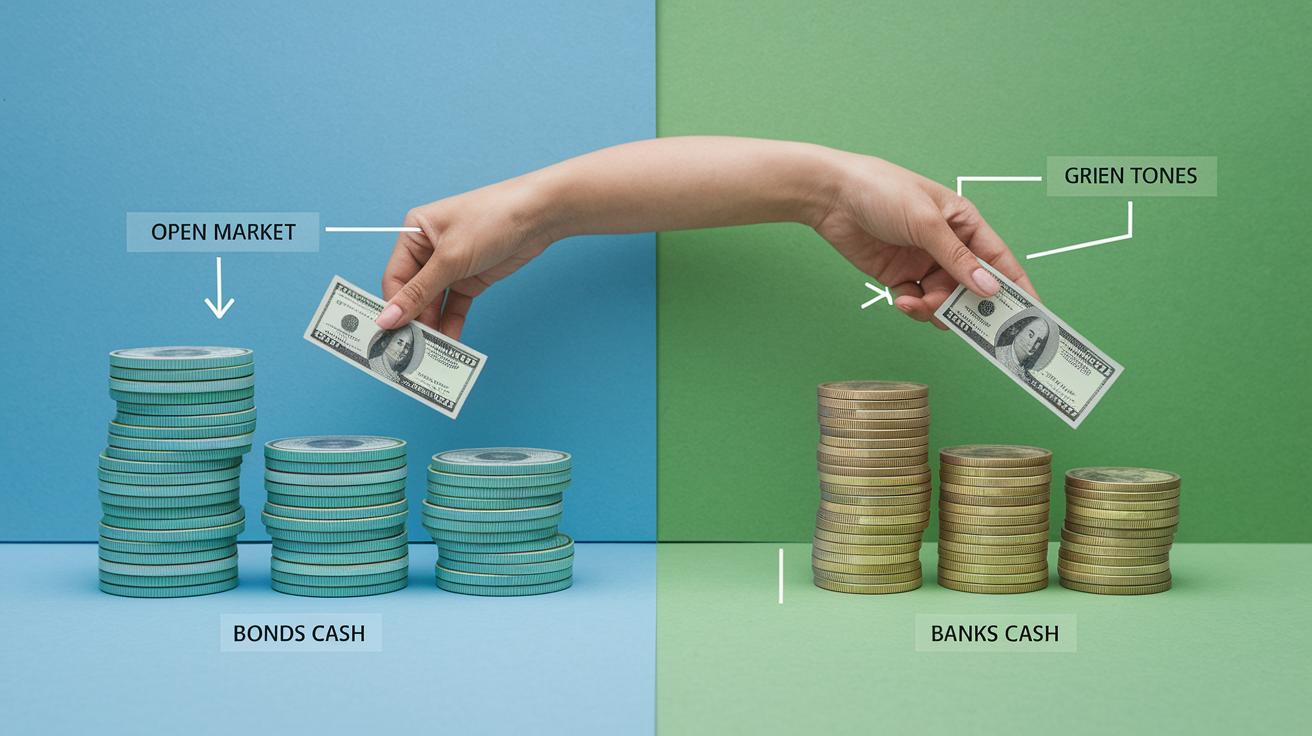
Monetary policy is the way central banks control the money in our economy to help manage inflation and unemployment. They use a few basic tools to decide whether to let more money flow through the system or to pull it back a bit. It’s kind of like adjusting the brightness on a screen to make sure you get the right balance.
One main tool is open market operations. Here, the central bank buys or sells government bonds. When they buy bonds, banks get extra cash, making it easier for people to borrow money. When they sell bonds, banks end up with less cash to lend.
Another tool is adjusting reserve requirements. This means setting the minimum amount of cash that banks must hold instead of lending out. Changing this requirement can boost or limit the banks' capacity to issue loans.
The third tool is tweaking the discount rate. This rate is the cost when banks borrow money from the central bank. By changing it, the central bank makes borrowing more or less attractive, which in turn affects how much money circulates in the economy.
| Tool | How It Works | Effect on Money |
|---|---|---|
| Open Market Operations | Buy or sell government bonds | Increases or decreases bank cash |
| Reserve Requirement Adjustments | Change the minimum cash banks must hold | Affects the amount banks can lend |
| Discount Rate Changes | Set the cost of short-term loans for banks | Influences borrowing and lending |
These tools let central banks make quick changes to the economy. They help keep interest rates steady and support stable growth while balancing the flow of money and curbing inflation. Have you noticed how a small tweak can sometimes change the whole financial picture?
Open Market Operations in Monetary Policy: Shaping Liquidity and Equilibrium

Central banks use open market operations to control how much money is circulating and to guide short-term interest rates. In simple terms, when they buy or sell government bonds, they adjust bank reserves much like turning a tap to manage water flow.
When a central bank buys bonds, it adds extra cash to banks, which in turn makes it easier for them to lend money. Think of it like a sudden, refreshing rainfall that fills up a reservoir, giving everyone more to work with.
Here’s the step-by-step process: First, the central bank announces its plan, letting everyone know that a liquidity change is coming. Then, it takes action by buying or selling bonds depending on whether it wants to boost or reduce the money supply. Buying bonds increases bank reserves, which often leads to better lending rates , almost like unlocking extra energy in a power grid. Finally, these moves ripple through the banking system, nudging short-term interest rates toward levels that help balance prices and support ongoing economic activity.
Reserve Requirement Adjustments in Monetary Policy: Modulating Bank Lending Capacity
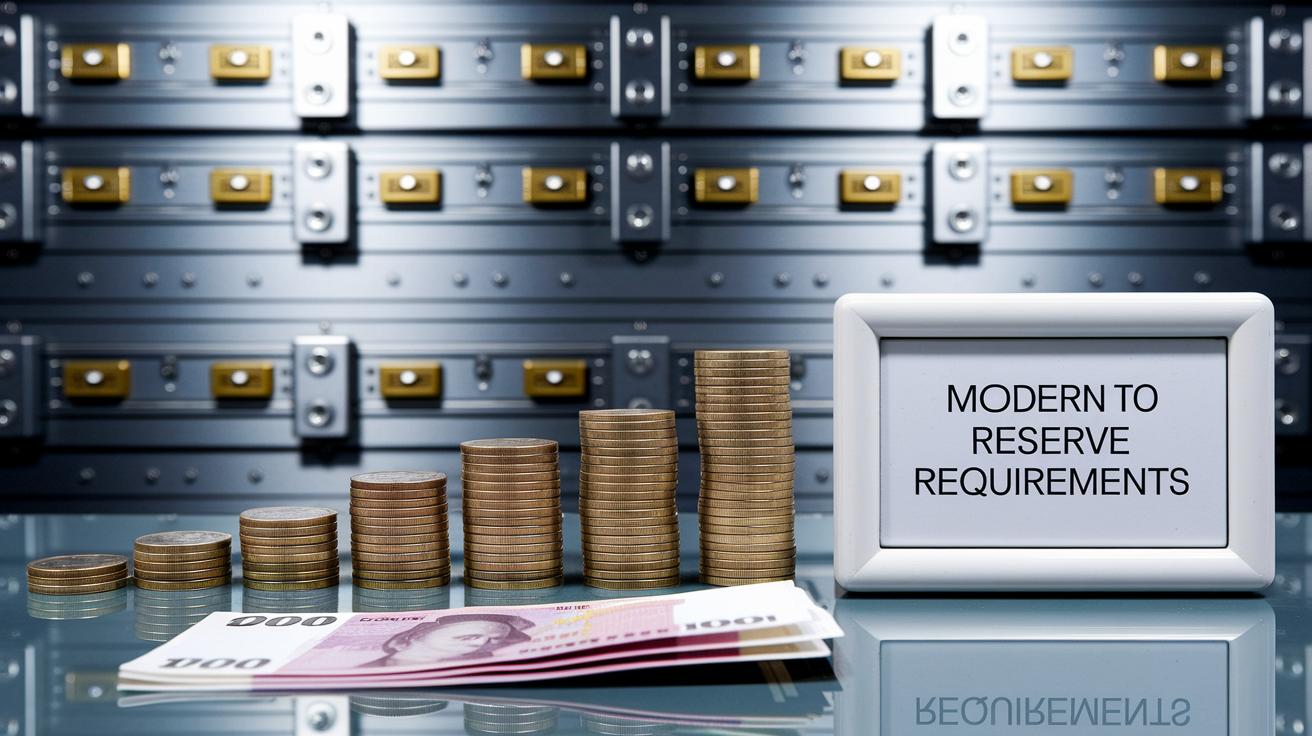
Central banks often adjust reserve ratios, the percentage of deposits that banks must hold instead of lending out. When these ratios rise, banks lend out less money, which slows down spending. On the other hand, lowering the ratios gives banks more cash, leading to increased loans and a boost in economic activity.
These adjustments act as a simple yet powerful way to control the flow of money. In the U.S., reserve ratios have ranged from 0% to 10%, and regulators use these changes to keep the banking system steady. It’s like a dimmer switch that fine-tunes the energy in the market.
By tweaking reserve requirements, central banks help manage the overall supply of money while keeping banks safe during rough patches. A rise in the reserve ratio can cool an overheated market, while a drop may spark economic growth. Regulators ensure that banks have enough funds to cover risks, which builds confidence and stability in the financial world.
Monetary Policy Tools: Discount Rate Adjustments

The discount rate is the fee that commercial banks pay on short-term loans from the central bank. It’s like changing the price on a popular item, when the rate drops, borrowing gets cheaper. For instance, in March 2020, a 0.25% cut spurred banks to quickly use the discount window during market stress, much like a store having a clearance sale to draw in more customers.
When the discount rate is lowered, banks can lend more actively because their borrowing costs drop. They then pass these savings along by lowering the interest rates they charge, helping businesses and households get access to funds more easily.
On the other hand, raising the discount rate makes short-term loans less appealing. Higher costs discourage banks from borrowing extra funds, slowing down lending activity and helping keep prices steady, just like a governor easing off on an engine when it starts to overheat.
Unconventional Tools in Monetary Policy: Quantitative Easing and Forward Guidance
Central banks have started using less common tools when simply lowering interest rates doesn't work anymore. These tools, quantitative easing and forward guidance, make a real difference in how money flows in the economy and give policymakers extra room to act during tough times.
Quantitative easing means the bank buys a lot of long-term bonds, like government or mortgage-backed bonds, to push down longer-term interest rates. By purchasing these assets, the bank injects extra cash into the system, which helps raise asset prices and fills banks with more reserves. This boost makes it easier for people and businesses to borrow money, which leads to more spending and investment when regular rate cuts fall short. Think of it like jump-starting an engine that's stalled, central banks use quantitative easing to keep the economic engine running during slow periods.
Forward guidance works alongside quantitative easing by clearly explaining what the central bank plans to do next. When the bank tells the market that short-term rates will stay low for a while, investors and borrowers can plan ahead. This clarity can lower uncertainty and keep borrowing costs steady. Forward guidance shows a commitment to keeping financial conditions supportive, even when there's no room to cut rates further.
In short, both quantitative easing and forward guidance give the economy a boost when traditional methods reach their limits, creating extra safety nets for the financial system.
Assessing Monetary Policy Tools: Impacts on Inflation, Growth, and Stability

Expansionary policies push more money into the economy, helping to boost productivity and lower unemployment. They encourage spending and investment but come with a trade-off, more spending can drive inflation higher than desired. Meanwhile, contractionary actions, like hiking interest rates or selling assets, focus on keeping inflation in check. It’s a bit like adjusting a thermostat: push it too far, and you risk overheating the room.
Today, policymakers have new tools at their disposal. Take quantitative easing, for example. This approach even led the Federal Reserve to send over $800 billion in profits to the Treasury. But if the neutral interest rate dips below 2%, the benefits of QE and forward guidance tend to fade, much like trying to pick up a weak signal on an old radio. That’s why experts closely monitor risks and use systemic checks to keep these measures on track.
Analysts use these instruments to guide overall stability while fueling growth. Expansionary tools spark business investments, yet if they run wild, they can trigger unwanted price hikes. On the other hand, contractionary measures cool things down, but if applied too hard, they might slow growth too much. For instance, when rates were tweaked during challenging times, it felt like a shop running a clearance sale, a short burst of activity that eventually settled back. The real challenge is balancing these approaches to create a resilient, well-rounded economy.
Final Words
In the action, we explored how the central bank’s tools of monetary policy work to control money flow throughout the market. The blog broke down open market transactions, reserve requirement adjustments, and discount rate configurations, while also discussing unconventional measures like quantitative easing and forward guidance.
Each tool plays a key role in balancing inflation, growth, and market stability. These insights can help anyone better understand how monetary policy shapes our economic environment, leaving us all feeling empowered for future opportunities.
FAQ
Q: What is monetary policy?
A: The monetary policy manages a country’s money supply and interest rates to help control inflation and unemployment. You can read more about what is monetary policy at https://smartfinancialtrends.com?p=504.
Q: What are the main tools of monetary policy?
A: The main tools include open market operations, reserve requirement adjustments, and discount rate changes. Central banks may also use techniques like quantitative easing and forward guidance to shape economic outcomes.
Q: What do monetary policy PDFs and PPTs typically include?
A: Monetary policy documents often outline key instruments such as open market operations, reserve adjustments, and discount rate settings, while presenting practical examples and data on how these tools affect liquidity and inflation.
Q: What are the objectives of monetary policy?
A: The objectives focus on keeping prices stable, stimulating economic growth, and lowering unemployment by controlling money supply and influencing interest rates throughout the economy.
Q: What types of monetary policy exist?
A: Monetary policy can be expansionary, aimed at boosting economic activity, or contractionary, designed to curb inflation. Each type uses adjustments to bank reserves and interest rates to influence overall economic performance.
Q: What instruments are used in the money market?
A: In money markets, common instruments include treasury bills, commercial paper, certificates of deposit, repurchase agreements, and bankers’ acceptances, all serving as short-term tools to manage liquidity.