
Ever wonder why trading never seems to stop, even when the market feels quiet? It’s because of market makers, the hidden force ensuring trades keep flowing.
Market makers set the buy and sell prices, making sure the system stays active. In simple terms, they are like the engine that keeps your trade moving without a hitch. By always providing liquidity, meaning they make it easy for buyers and sellers to connect, they help lower costs and boost market activity.
In this conversation, we’ll explore how these unsung heroes keep the market buzzing and why their role is essential for stable and efficient trading.
How Market Makers Provide Liquidity in Financial Markets
Market makers are firms that trade specific securities throughout the day. They always post two prices, a price to buy and a price to sell, so you can be sure there’s someone ready to take the other side of your trade. This steady presence is like a safety net, allowing trades to happen quickly even when the market seems quiet.
Their ongoing activity means orders get filled fast and with fair pricing. Imagine needing to sell shares on a busy day and not having to wait because a market maker is already set to take your order. This reliable system helps prevent trading slowdowns during lean or stressful times.
Market makers do this by placing orders that remain open all day. This process narrows the gap between the asking price and the bidding price, even if it’s just a few pennies. Consistently narrow spreads help reduce trading costs for everyone.
- They enable quick order execution.
- They keep prices steady with ongoing quotes.
- They always serve as a dependable counterparty for trades.
| Benefit | Description |
|---|---|
| Speed | Quick execution of orders |
| Stability | Narrow spreads and stable prices |
By continually providing liquidity, market makers inject energy into the market, ensuring every trade finds its match smoothly.
Role of Bid-Ask Spread and Price Discovery in Liquidity
Market makers make money from the bid-ask spread. They buy at the bid and sell at the ask, even when the difference is just a few pennies. You might think that small gap isn’t a big deal, but when millions of shares change hands, it all adds up to a major impact.
Because market makers are always active, new information quickly shows up in the prices. This fast update helps traders act on the most current news. In short, rapid price changes not only boost trade execution but also keep the market more transparent.
High trading volumes make the benefits of narrow spreads even clearer. When lots of transactions occur, these slim margins work together to lift market efficiency and maintain a steady trading environment. With active trading, buyers and sellers always have someone to trade with, keeping liquidity up.
- Consistent quoting shrinks spreads.
- Tighter bid-ask gaps lower trading costs.
- Fast data updates speed up price discovery.
- More trades boost overall efficiency.
In essence, the constant push and pull of market makers keeps prices fair and trading smooth, energizing the market every step of the way.
Risk Management Strategies of Market Makers
Market makers set firm limits on the number of securities they hold. They do this to protect against sudden price changes that could lead to big losses. For example, a market maker’s algorithm can adjust its bid-ask spread in less than a millisecond during a shock. It acts like a quick safety valve when things get intense.
Algorithmic trading bots are key players here. They change quotes on the fly by watching real-time orders. This helps balance the stream of buying and selling while keeping inventory risks low. When the market gets choppy, these bots update pricing right away, so liquidity stays strong even if others step back.
Market makers also keep strict inventory limits to avoid holding too many positions at once. Their systems will automatically cut back exposure if price moves become too wild. This built-in safety net helps maintain a steadier trading environment during rough patches.
- They maintain clear hedging positions.
- Real-time algorithms constantly adjust bid-ask spreads.
- Strict inventory limits help control risk during sudden market shifts.
These risk management tactics let market makers keep liquidity moving smoothly. They energize the market, even when conditions are challenging.
Market Maker Models: Human vs Algorithmic in Liquidity Provision
Market makers come in two types: human and algorithmic. Both work hard to keep the market liquid, but they do it in different ways. Human market makers use their deep experience and skills while trading across multiple exchanges. They rely on advanced order-routing technology to manage tricky orders and large block trades. For example, a trader might say, "Handling orders manually lets me respond to sudden market swings in a way that automated systems sometimes miss."
Algorithmic trading bots, on the other hand, have changed how liquidity is provided. These systems scan order books and adjust bid and ask quotes in milliseconds. That quick response helps them react to shifting market demand and keeps spreads tight. Imagine an algorithm that updates its pricing almost instantly to leave no gap in the market. This speedy reaction helps ensure steady liquidity on electronic trading platforms.
Both approaches have their strengths. Automated systems offer nearly instant responses to market changes, which is vital during high-frequency trading. But human traders still shine when large or complex transactions need careful judgment, something no prewritten code can always capture. When you combine the two, the market gains both the accuracy of automation and the seasoned insight of human expertise.
- Humans: They handle complex orders and adapt based on real market sentiment.
- Algorithms: They fine-tune bid/ask spreads in real time.
- Together: They work to keep spreads tight and maintain a stable trading environment.
This mix of human skill with rapid automated updates shows how market makers keep the trading world moving. It’s a smart teamwork that keeps liquidity reliable even when market conditions change quickly. Have you ever thought about how the blend of human touch and technology creates a more dynamic market?
Impact of Market Makers During Volatile Markets
When markets take a wild turn, market makers do more than just display quotes. They step in to lower risks and safeguard investor funds. Take early 2020 as an example, while many panicked, one major market maker upped their quoting volume by about 25%, which in turn cut the expected price drop by nearly 15%.
In another case, a firm's steady trading activity kept liquidity from falling below 90% of its normal level during a sudden shock. In fact, in a severe downturn, the continuous activity of market makers narrowed the price gap to under 10% instead of the usual 20–30%.
- Their extra quoting helps to dampen price swings.
- Numbers from crisis periods show that higher liquidity reduces risk.
- Real-world examples prove that strong market maker actions lead to a smoother market recovery.
| Market Condition | Market Maker Action | Impact |
|---|---|---|
| Price Dip | Boosted quoting volume | +25% quoting activity, -15% price drop |
| Liquidity Stress | Maintained active trading | Kept liquidity above 90% of normal |
These smart moves show how market makers blend risk management with everyday actions to stabilize markets during tough times.
Measuring Liquidity: Depth of Market and Other Metrics
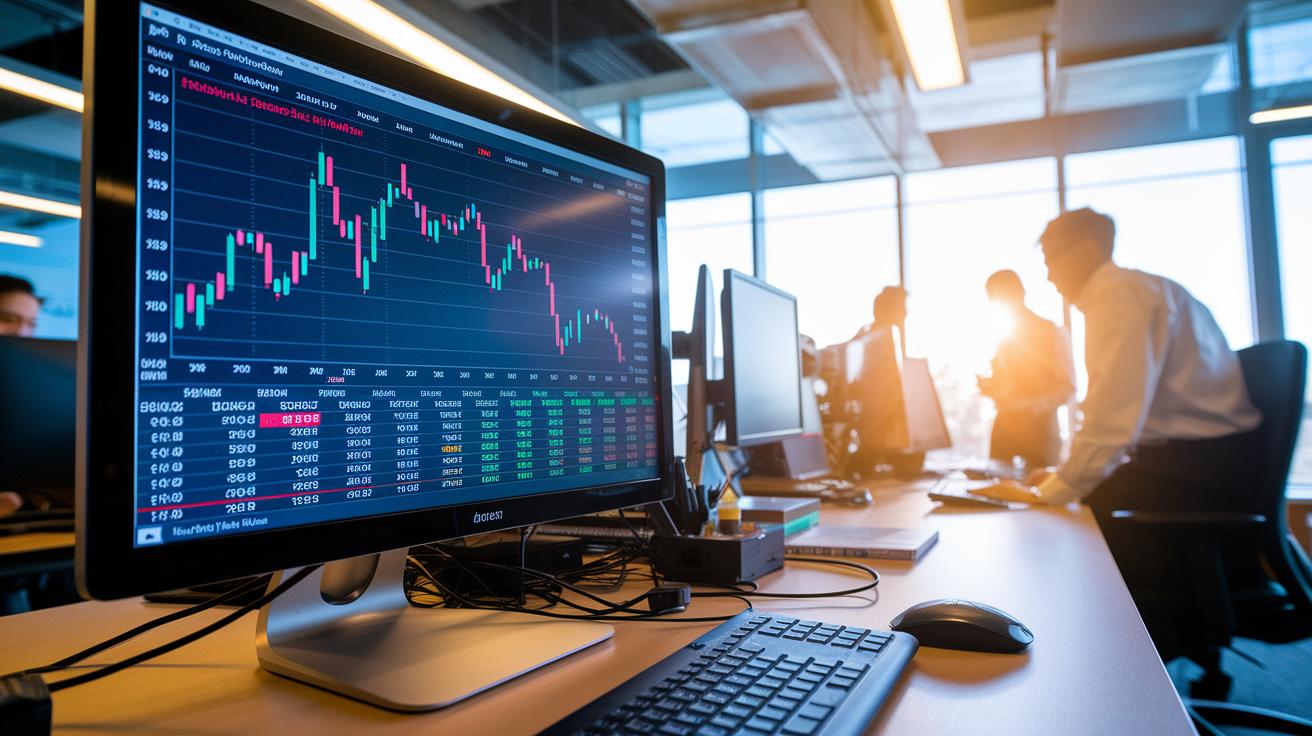
Liquidity tells us how quickly we can buy or sell an asset without changing its price too much. Market makers play a key part in this process by constantly setting bid and ask prices, which helps keep trades smooth.
A handy tool to check liquidity is the Depth of Market or DOM. DOM lays out the volume of buy and sell orders at different price points. This visual tells you where buyers and sellers are most active. For instance, if you notice many sell orders at one price level, it might mean that price has a hard time moving higher.
There are a few other numbers traders watch too. The bid-ask spread shows you how much it costs to trade, narrow spreads mean lower costs. High trading volumes and fast order execution also create a market where trades fill quickly and efficiently. Imagine looking at a digital board that updates in real time; that’s what DOM feels like when you’re tracking market activity.
All these measures come together to give a clear view of market health. They show how market makers keep the action lively, even when prices swing.
Real-World Examples: Market Makers in ETFs and Thin Markets
Market makers keep ETF trading running smoothly. They constantly share both buy and sell quotes so that even ETFs with fewer trades remain liquid for investors. When you trade an ETF that holds a mix of stocks, these steady quotes stop delays or sudden price jumps. Imagine trying to buy an ETF without a clear asking price – it would feel very uncertain at checkout.
In quieter markets, like those for small-cap stocks or corporate bonds, market makers are even more important. Their regular quotes help keep prices stable, which matters for both everyday investors and big institutions. This support means large price swings are less likely, ensuring orders get filled reliably.
- They stabilize ETF prices by consistently quoting both sides.
- In markets with fewer trades, they help keep valuations fair.
- They ensure trading goes smoothly even when order volumes are low.
| Asset Type | Impact |
|---|---|
| ETF Baskets | Better liquidity and steadier trading |
| Thinly Traded Securities | Stable prices and reliable executions |
Final Words
In the action, market makers work continuously to keep trades flowing. They use both human insight and smart automation, ensuring faster trade times, tighter bid-ask spreads, and fair pricing. Their steady quotes help smooth out volatile days and support market depth, from ETFs to less-traded securities.
By managing their risk cleverly, market makers play a key role in liquidity. This dynamic approach promotes a stable trading environment and leaves room for a brighter market future.
FAQ
What is the role of market makers and how do they create liquidity?
The role of market makers is to keep markets running smoothly by continuously quoting both bid and ask prices. They create liquidity by ensuring buyers and sellers can trade swiftly, even during low-activity periods.
Who are market makers and what are some notable examples?
Market makers are specialized firms that constantly offer buy and sell prices. Prominent examples include major investment banks and dedicated trading firms that help streamline trade execution in electronic markets.
How many market makers are there?
The number of market makers varies by market and asset type. Large exchanges may host hundreds of market makers, with numbers adjusting based on market conditions and regulatory frameworks.
How do market makers make money and what strategies do they use?
Market makers earn money from the difference between buying (bid) and selling (ask) prices. They use risk management strategies like hedging and dynamic pricing to balance order flows and control inventory risk.
How do market makers increase liquidity?
Market makers boost liquidity by constantly providing competitive bid and ask prices, which narrows spreads and ensures that buyers and sellers always have a counterparty, enhancing efficient trade execution.
What is the difference between a liquidity provider and a market maker?
A liquidity provider may facilitate trades without consistently quoting both sides, while a market maker is committed to posting continuous bid and ask prices to guarantee liquidity in the market.